
The simplest way to understand the difference: Niagen helps your body make NAD+, while NAD+ is the molecule your cells actually use to produce energy and carry out essential functions.
What Is NAD?
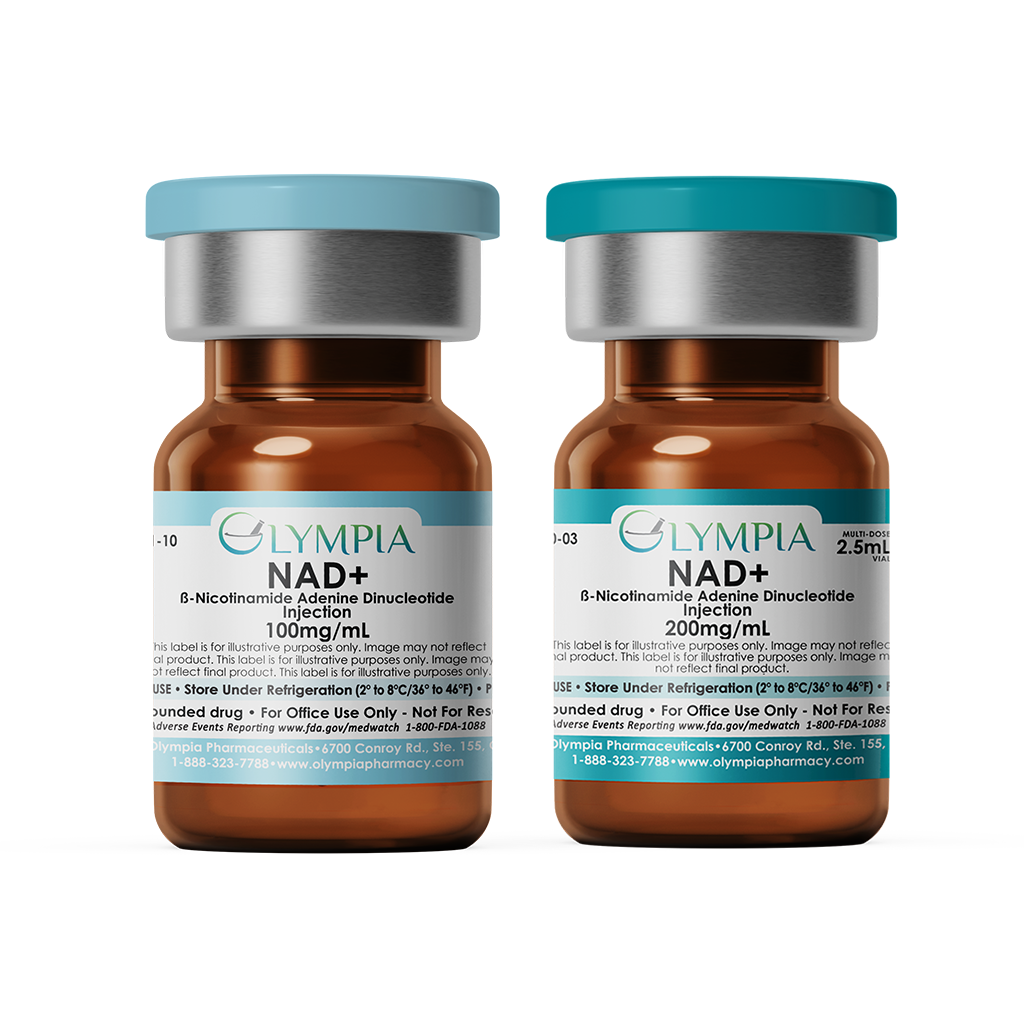
NAD stands for nicotinamide adenine dinucleotide. It’s a naturally occurring coenzyme found throughout the body. It plays an important role in cellular energy production, mitochondrial function, DNA repair, and overall cellular health.
NAD+ has become a popular topic in wellness and longevity conversations because of its connection to how cells generate and use energy. It may support:
- Mitochondrial efficiency
- Mental clarity
- Sleep quality
- Energy levels
- Overall cellular health
As we age, NAD+ levels naturally decline, which is why many people and their healthcare providers explore NAD+ and NAD+ precursors as part of a broader wellness routine.
What Is Niagen® ?
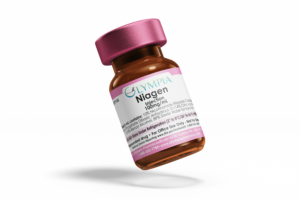
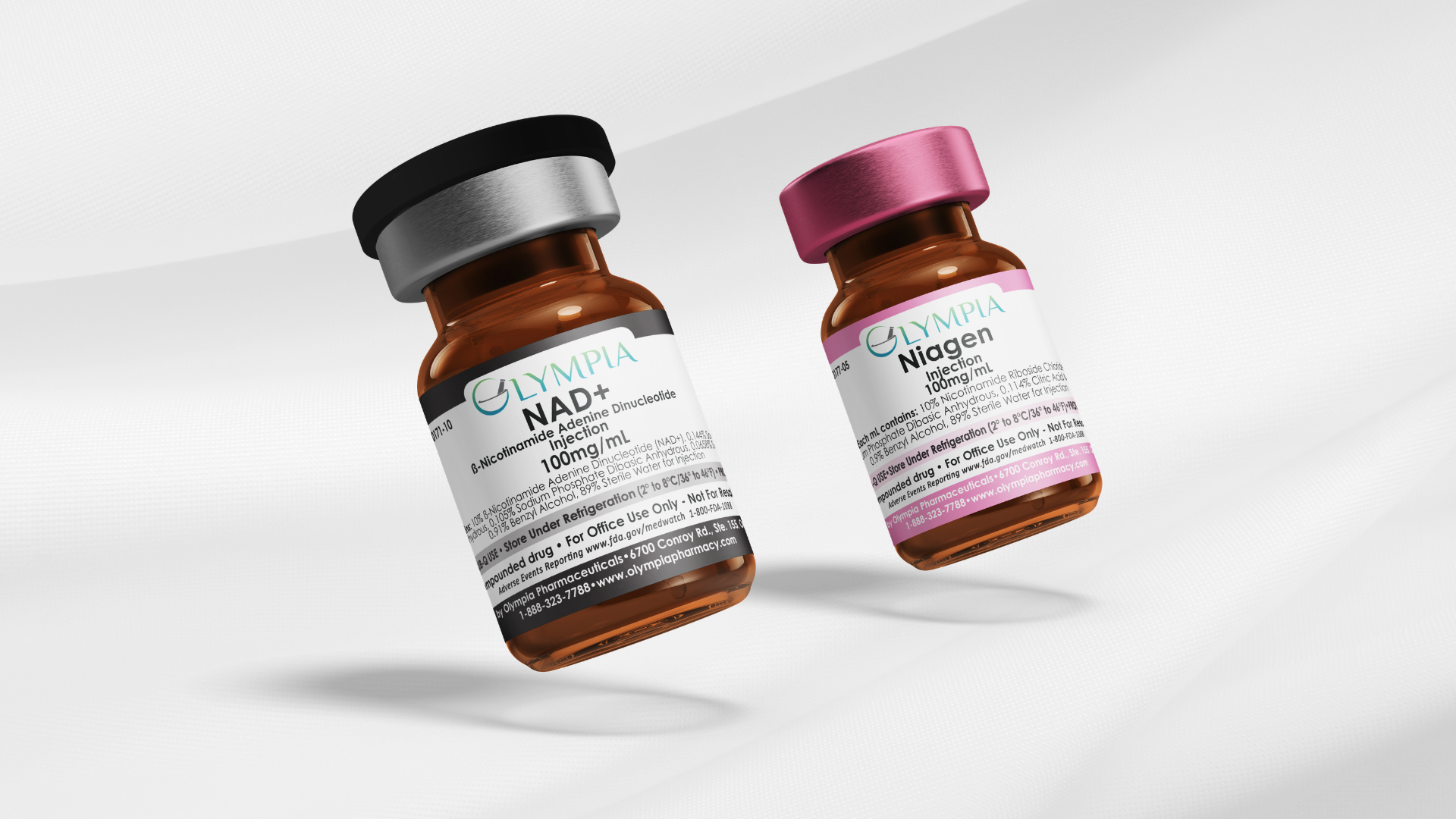
Niagen ® , also known as nicotinamide riboside (NR), is a form of vitamin B3. Rather than being NAD+ itself, Niagen is a precursor, meaning it’s a building block the body uses to produce NAD+.
We offer Niagen™ as a liquid injectable option for those looking to support energy levels, healthy aging, and cellular function. Because it helps the body create NAD+, it’s often included in longevity and wellness routines.
Niagen gives your body the raw material it needs to make more NAD+.
Niagen vs. NAD+: The Key Difference
| Niagen | NAD+ | |
| What it is | A form of vitamin B3 (precursor) | A coenzyme made by the body |
| What it does | Helps the body produce NAD+ | Powers cellular energy and function |
| Used directly by cells? | No | Sí |
| Infusion Time | ~1 hour | Up to 4 hours |
| Common Side Effects | Generally well tolerated | May include flushing, chest tightness, headache, and increased heart rate |
Niagen is the ingredient; NAD+ is the end product. Both are connected to cellular health, but they are not interchangeable.
Many patients and providers find Niagen to be the preferred option not just for its effectiveness, but also for its tolerability. Unlike direct NAD+ infusions , which can sometimes cause side effects such as chest tightness, flushing, headaches, and an increased heart rate, Niagen is generally well tolerated with fewer reported discomforts.
Additionally, Niagen infusions typically take around 1 hour to administer, compared to the up to 4 hours often required for NAD+ infusions. For busy patients and providers, that difference in chair time can be significant.
Why Some Patients and Providers Prefer Niagen
Beyond tolerability and convenience, Niagen™ offers a couple of other meaningful advantages worth understanding.
More Natural NAD+ Production
Because Niagen™ is a precursor, it works with the body rather than flooding it with NAD+ directly. This more physiologic approach allows the body to:
- Regulate how much NAD+ is produced based on the patient’s needs
- Potentially avoid rapid spikes in NAD+ levels that can sometimes occur with direct NAD+ infusions
In short, the body stays in control of the process, which many providers consider a meaningful benefit.
More Flexible and Frequent Dosing
Because Niagen™ is better tolerated, it opens the door to a more flexible dosing schedule. Patients may be able to receive it:
- Multiple times per week
- In smaller, consistent doses
How Niagen and NAD+ May Support Your Wellness Goals
Both Niagen™ and NAD+ are commonly discussed in the context of longevity and cellular health. Here’s a quick look at what each may support:
NAD+ may help with:
- Cellular energy production
- Mitochondrial efficiency
- DNA repair and support
- Mental clarity
- Sleep quality
- Overall cellular health
Niagen may help by:
- Supporting the body’s natural NAD+ production
- Indirectly contributing to energy levels, healthy aging, and cellular function
Since Niagen works by boosting NAD+ levels, some patients wonder whether they should use one over the other. The right choice depends on your individual health history, wellness goals, current medications, and guidance from your provider.
Niagen Injection: Product Details
Our Niagen Injection is available with the following specifications:
- Concentration: 100 mg/mL
- Volume: 5 mL
- Route of Administration: IV, IM, or SQ
- Storage: Refrigerate and protect from light
These details can help providers determine how Niagen fits into a patient’s overall care plan.
Which One Is Right for You?
Liquid Niagen and NAD+ work differently, but they’re part of the same process. Niagen helps your body produce NAD+, and NAD+ is what your cells use to support energy and carry out vital functions.
The right option depends on you. A licensed medical provider can review your health history, current medications, and wellness goals to help you decide which approach makes the most sense.
Key Takeaway
Niagen and NAD+ are connected, but distinct. Niagen is a form of vitamin B3 that gives your body what it needs to produce NAD+. NAD+ is the molecule your cells rely on for energy production and normal function.
Understanding the difference is a great first step toward having a more informed conversation with your healthcare provider, whether your goal is more energy, healthy aging, or better overall cellular health.
This content is for educational purposes only and is not a substitute for advice from a licensed medical provider. All compounded formulations are prepared by Olympia Pharmaceuticals under cGMP guidelines and with oversight by national and state pharmacy boards. Always consult with a medical professional before beginning any new regimen or care plan.