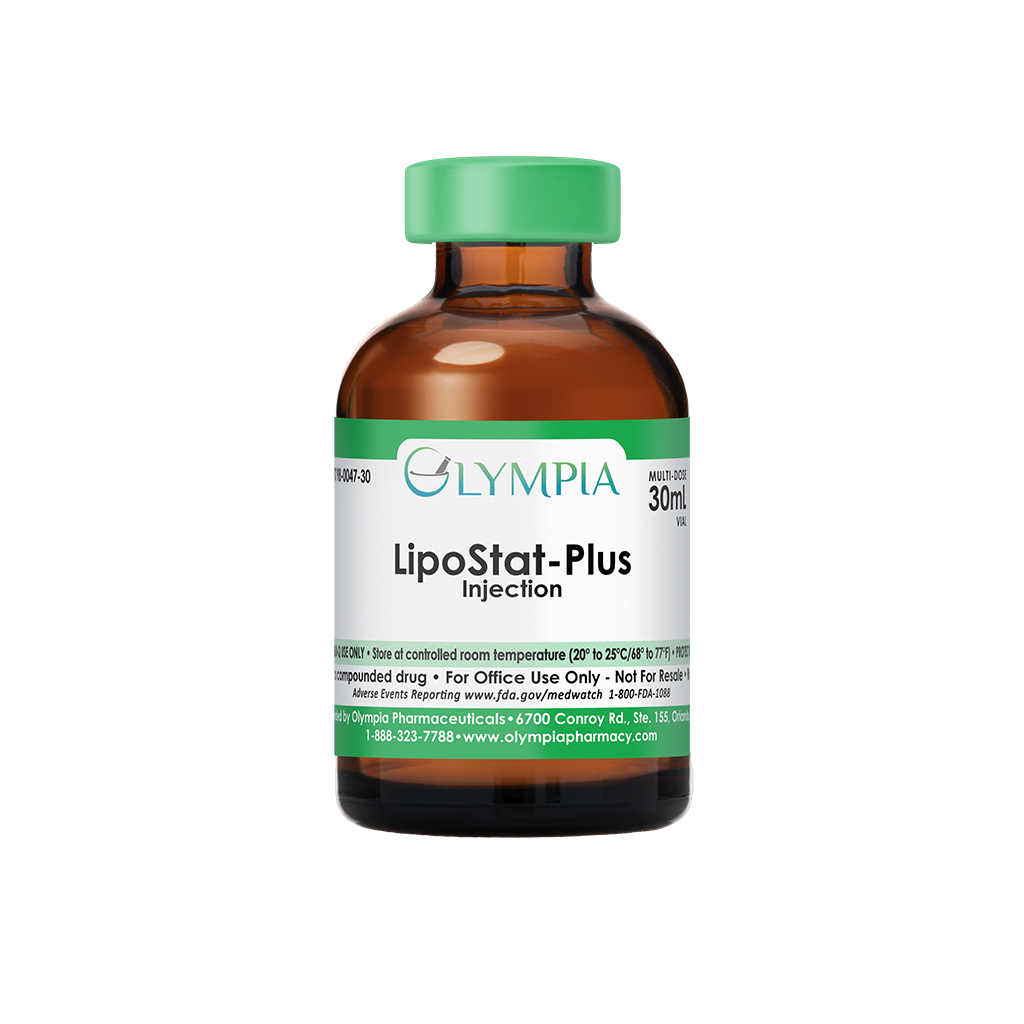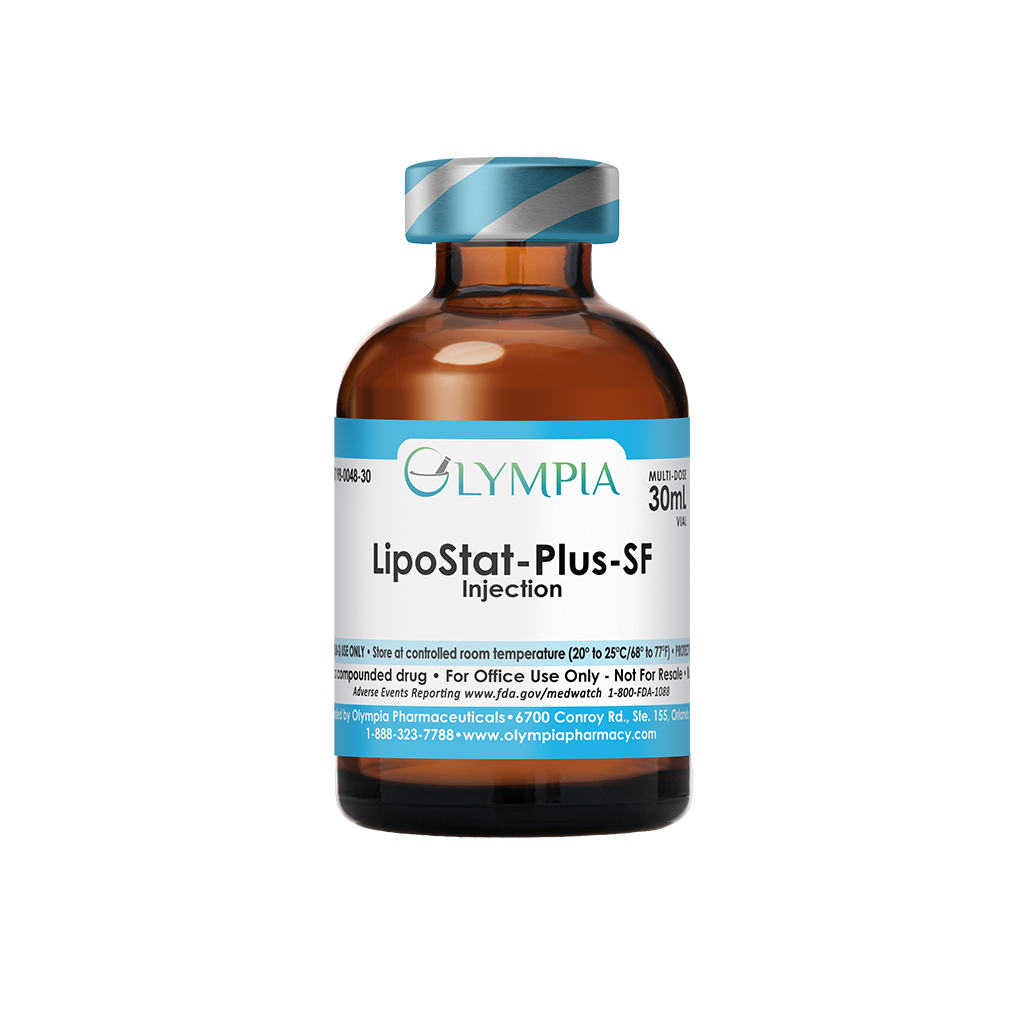

Injectable therapies are commonly available in either lyophilized (freeze-dried) or liquid formulations, each offering distinct advantages. Lyophilized products are valued for their stability and storage flexibility, while liquid formulations simplify preparation and administration. Choosing the right formulation depends on factors such as product stability, ease of use, inventory management, and practice workflow.
What Does Lyophilized Mean?
In lyophilization, the medication or active ingredient starts in liquid form. Water is then removed through a controlled freeze drying process. The finished product is usually a powder or cake inside the vial.
Before use, lyophilized injections must be reconstituted. That means a diluent is added to the powder so it can be mixed into a liquid solution.
Lyophilization is often chosen to enhance product stability during storage and shipping and to support longer shelf life. However, it requires reconstitution before use, adding preparation steps for patients, providers, or pharmacy staff.
What Are Liquid Injections?
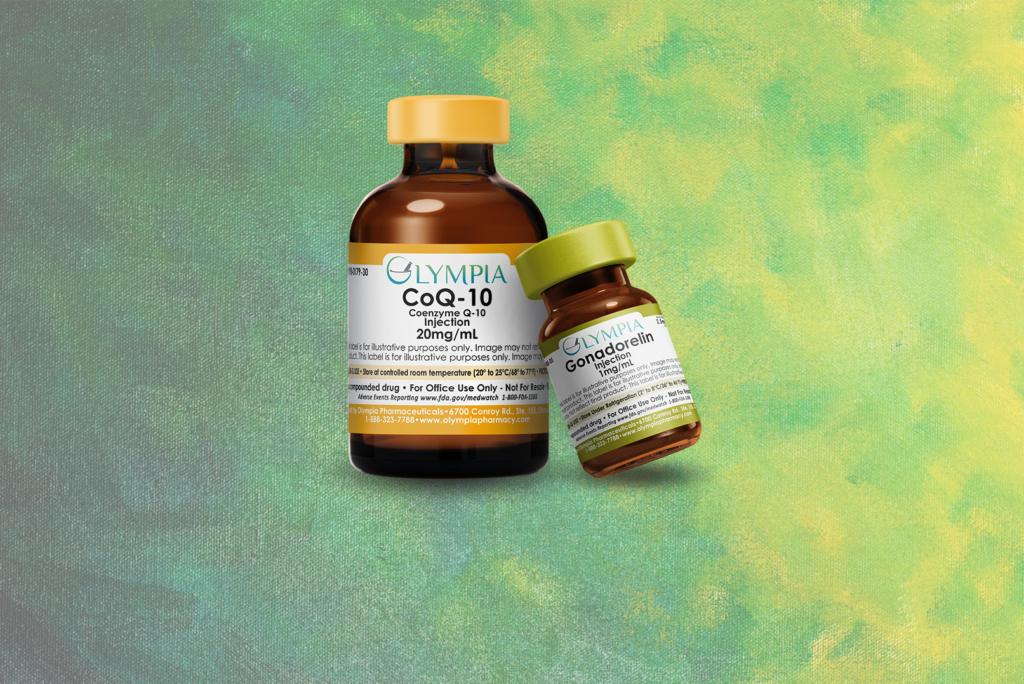
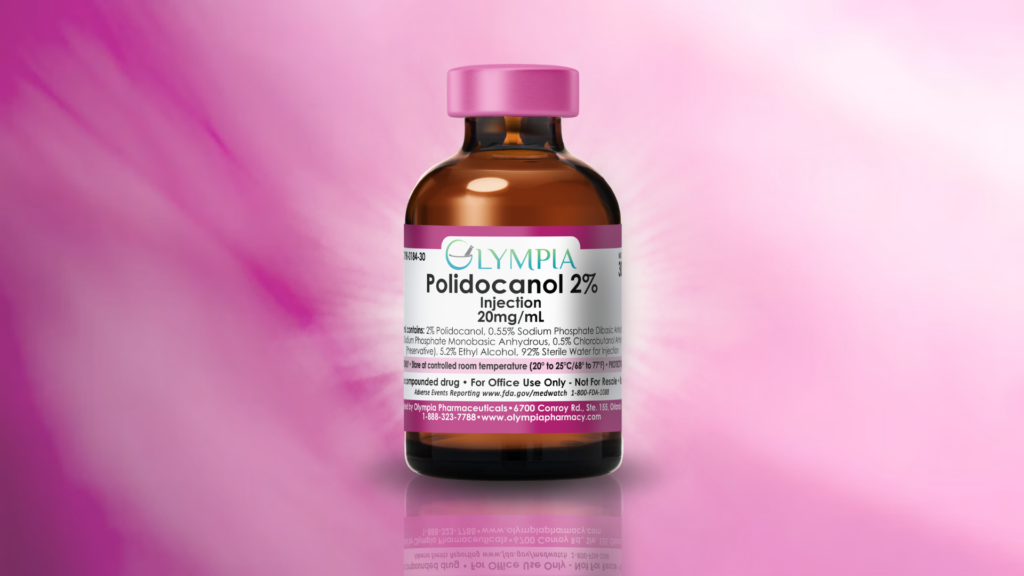
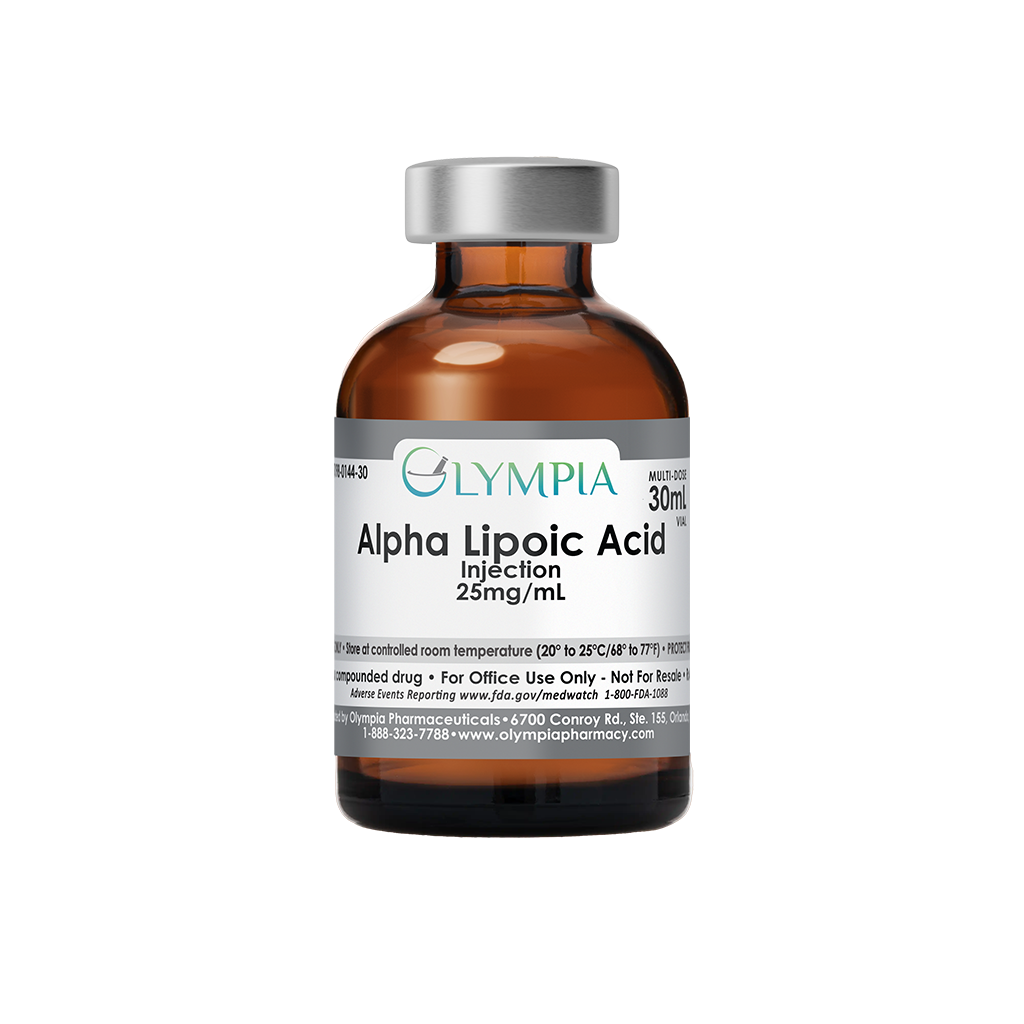
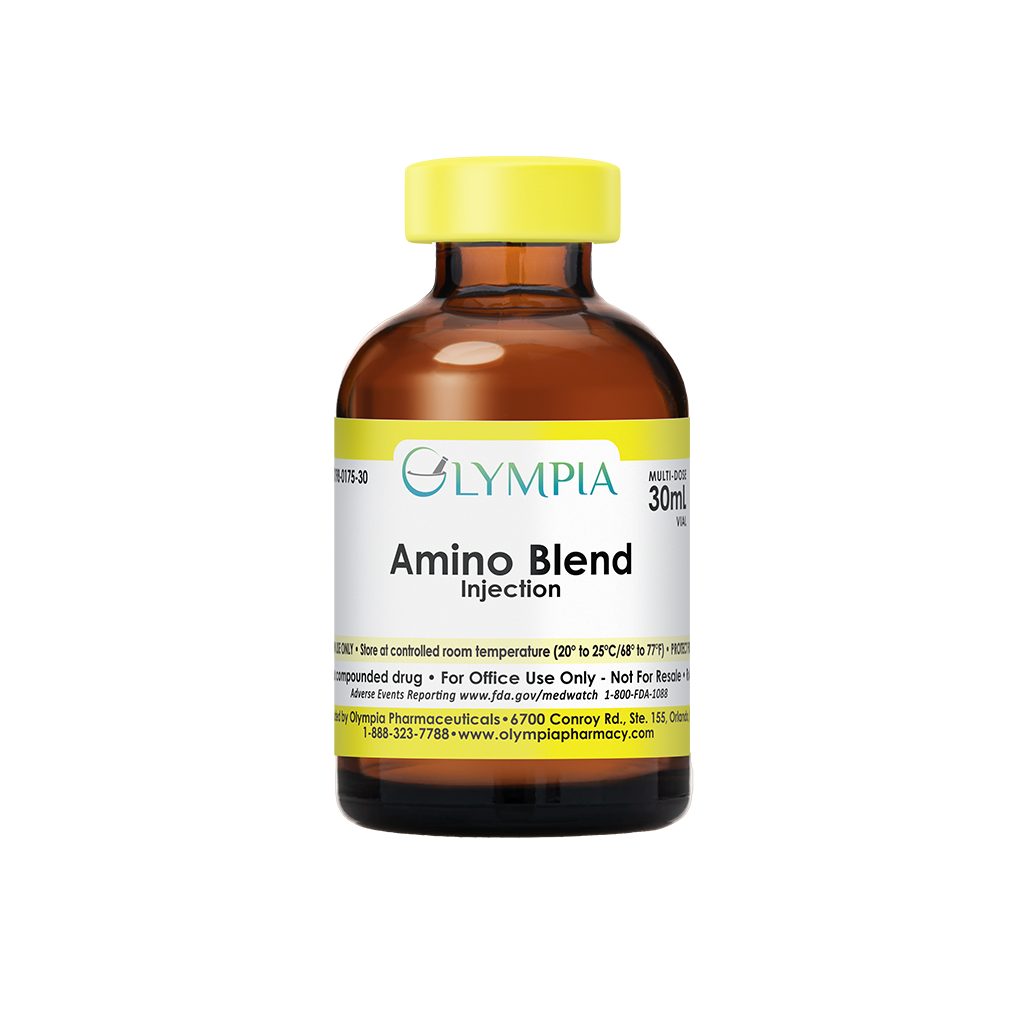
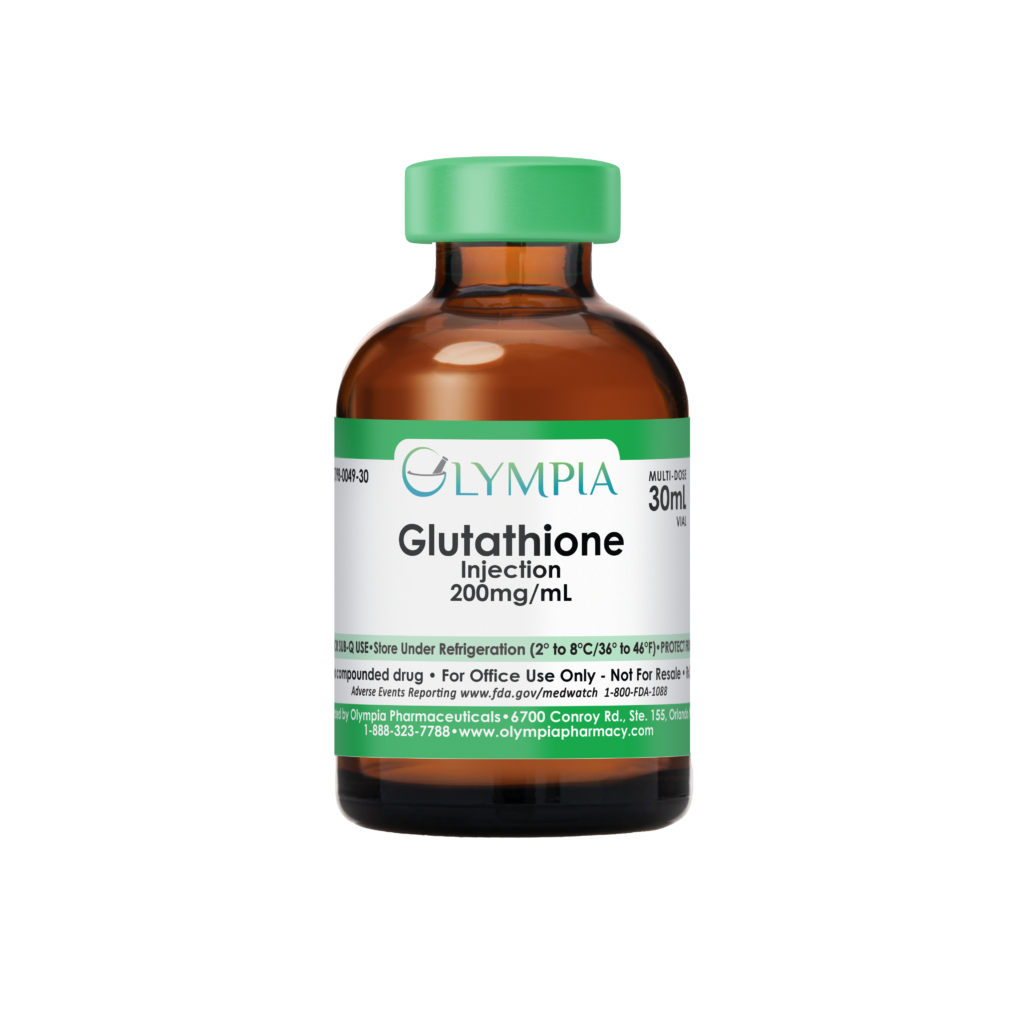
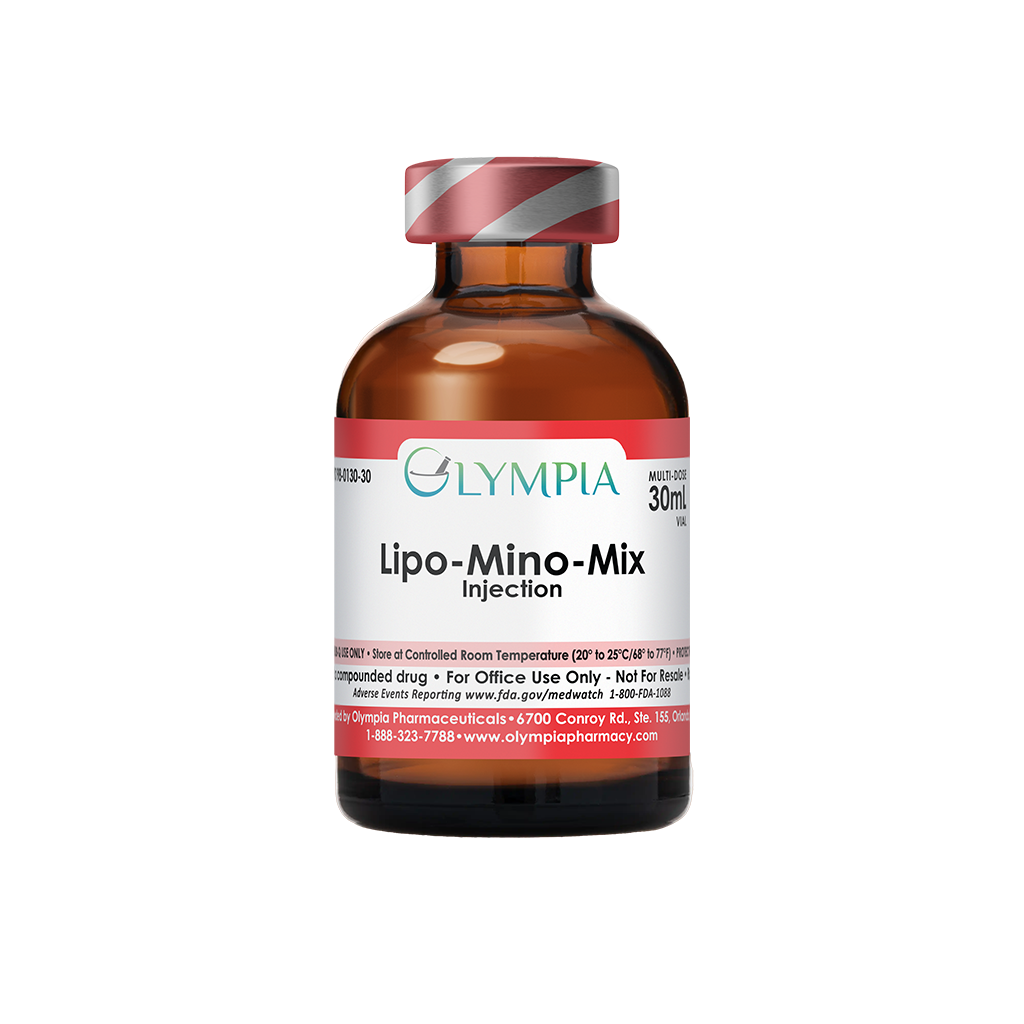
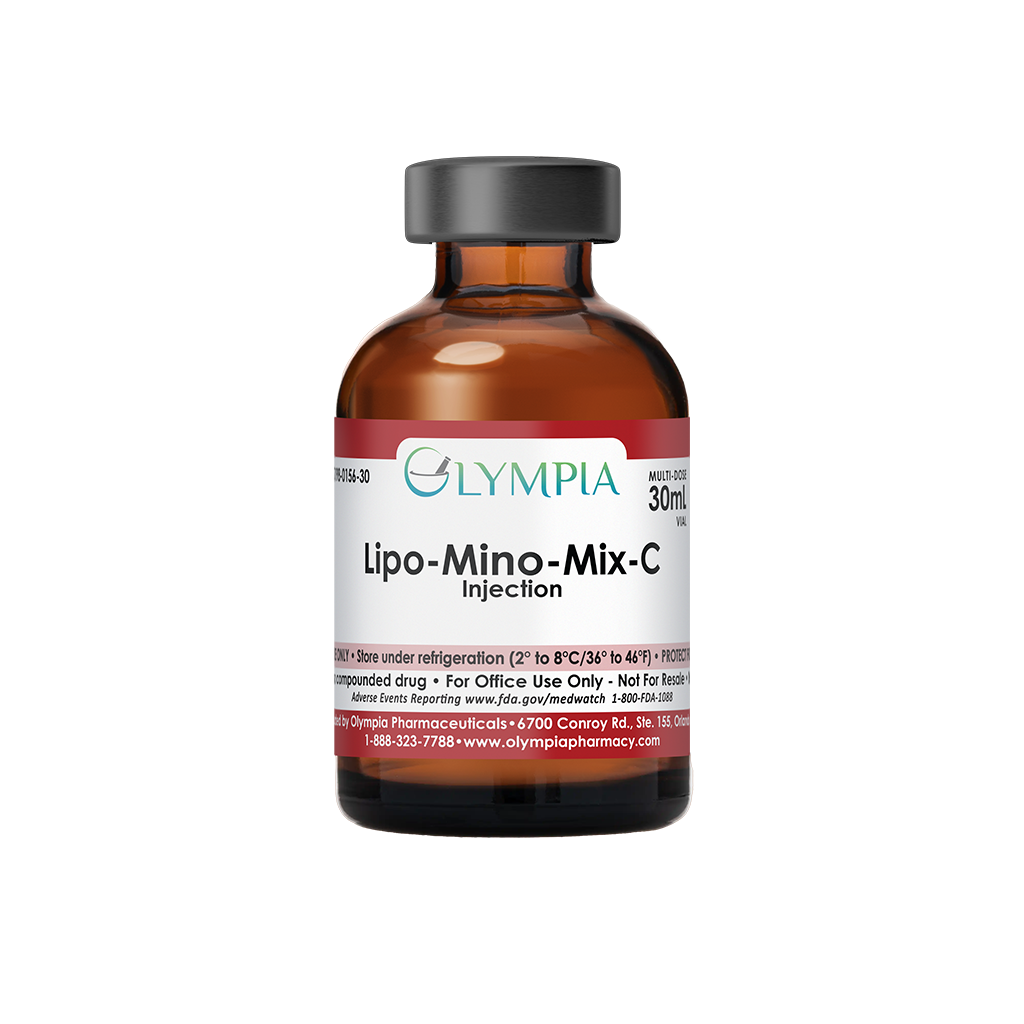
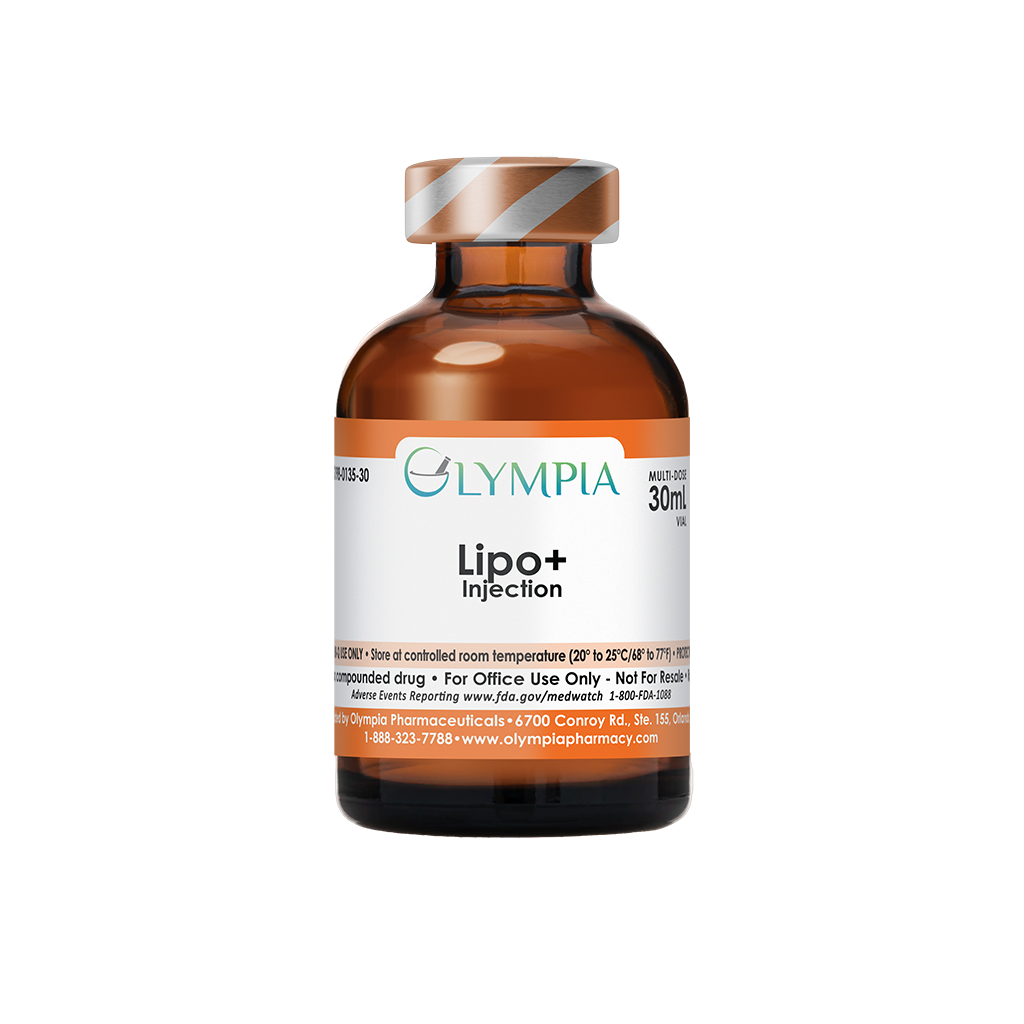
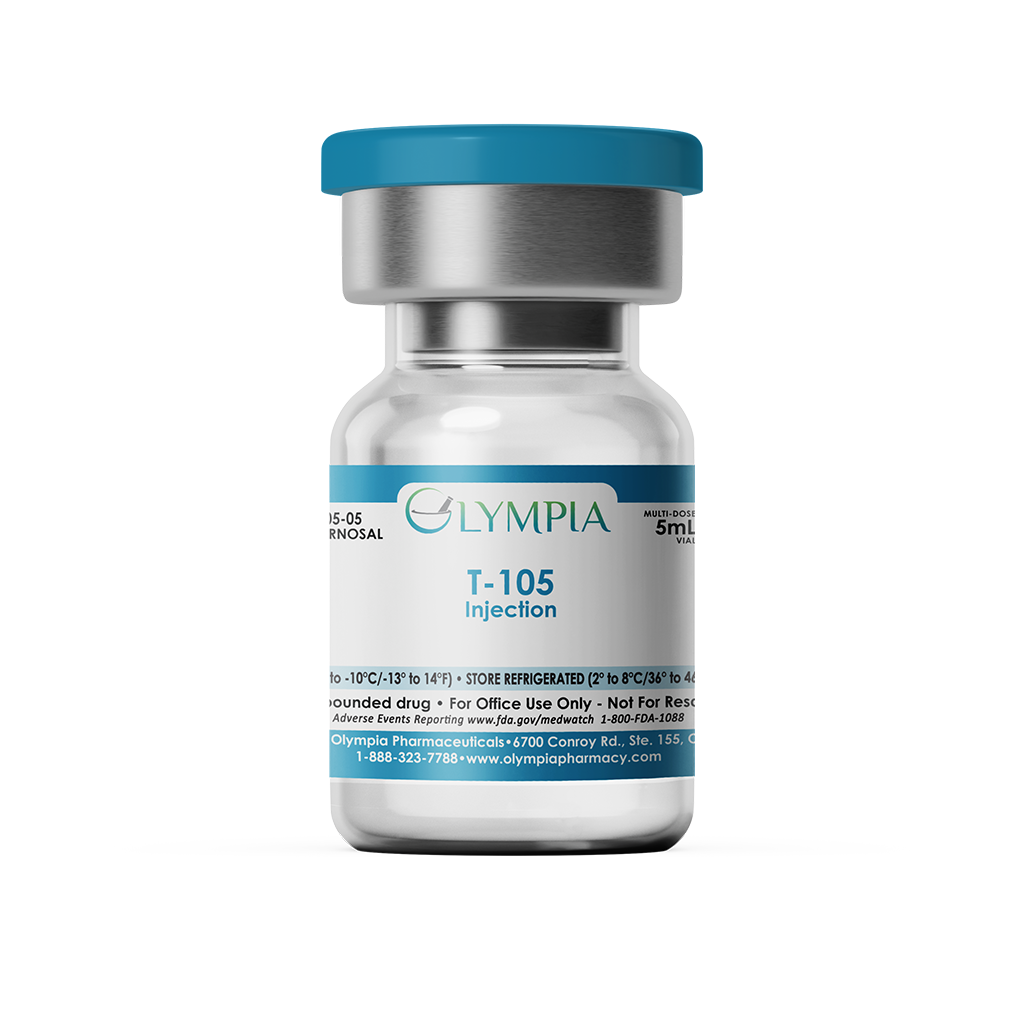
Liquid injections arrive already in solution. There is no powder to dissolve, no separate diluent to measure and no reconstitution step before use, unless product instructions say otherwise.
For clinics and pharmacies, ready-to-use liquid injections can mean:
- Fewer preparation steps
- No separate diluent to source
- Less time explaining reconstitution
- Fewer opportunities for reconstitution or dose confusion
- A cleaner dispensing workflow
- A better fit for high-volume programs
Lyophilized vs Liquid Injections: The Key Difference
The main difference is preparation.
| Format | What It Looks Like | Preparation | Supply Needs | Workflow Impact |
| Lyophilized injection | Powder or cake in a vial | Usually requires reconstitution before use | May require bacteriostatic water or another diluent | More steps, more instructions and more supply coordination |
| Liquid injection | Already in solution | Ready to use when directed | No separate reconstitution supplies needed | More streamlined dispensing and simpler instructions |
Why Many Peptides Are Sold as Lyophilized Powders
Peptides are short chains of amino acids used across a range of wellness, skincare and injectable categories, depending on the product and regimen.
Many peptides are sensitive to conditions like water, pH, temperature and time. Because of this, peptide products are often supplied in lyophilized form. In the peptide space, “lyo” is often used as shorthand for lyophilized powder.
Lyophilized peptide powders are especially common in the online grey market, where many products are sold as “research use only.” These vials often require the buyer to separately obtain a diluent, syringes, calculate the reconstitution volume and prepare the injection.
The Grey Market Peptide Problem
The bigger concern is not the lyophilized format itself. It’s the lack of oversight behind many grey-market peptide products. A vial labeled “for research use only” or “not for human consumption” is exactly that – not intended for patients. When these products are purchased outside licensed pharmacy channels, providers and patients may be left to judge sourcing, sterility, concentration, labeling and reconstitution instructions on their own.
The FDA has issued warning letters to online sellers when products labeled with research-use language were marketed in ways the agency viewed as intended for human use. In one FDA warning letter to an online peptide seller, the agency noted that products sold outside regulatory guardrails may be contaminated, counterfeit, contain varying amounts of active ingredients or contain different ingredients altogether.
Why Bacteriostatic Water Adds Another Dependency
Bacteriostatic water is often used as a diluent for certain injectable products when product instructions call for it.
DailyMed’s labeling for Bacteriostatic Water for Injection describes it as a sterile preparation of water for injection containing benzyl alcohol as a bacteriostatic preservative. The label also states that it’s used to dilute or dissolve drugs for injection according to the instructions of the drug manufacturer.
For a lyophilized injection, the user may need to:
- Have the correct diluent available
- Draw up the correct volume
- Add the diluent to the powder vial
- Allow the powder to dissolve
- Inspect the solution as directed
- Store the reconstituted product according to instructions that may be different then the lyophilized form
- Follow the correct dose instructions after mixing
Each added step creates another place where instructions need to be clear.
Bacteriostatic water can also become a supply bottleneck. The ASHP drug shortage bulletin for Bacteriostatic Water for Injection lists bacteriostatic water for injection and notes manufacturing delays, insufficient supply for usual ordering and limited supply for Pfizer 30 mL vials.
If a product requires diluent, the order isn’t just about the medication anymore. It also involves sourcing, stocking and explaining the reconstitution supply, making the process far more complex and much less patient-friendly.
A ready-to-use liquid injection removes that dependency. There’s no separate bacteriostatic water to source, stock, ship or explain to patients, and no guesswork in determining the proper amount to mix.
Why Ready-to-Use Liquid Injections Make the Process Easier
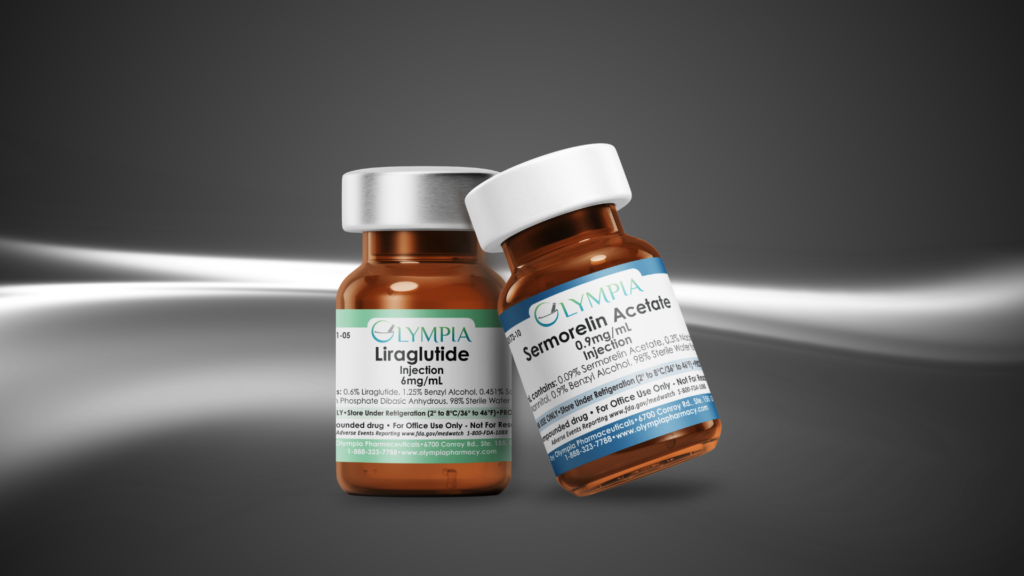
Liquid injections can make the process more straightforward because the product arrives already in solution.
That can reduce:
- Powder preparation
- Reconstitution instructions
- Separate bacteriostatic water needs
- Extra supply coordination
- At-home mixing confusion
- Staff time spent walking through preparation
- Multi-step dispensing workflows
This is especially valuable for programs that serve higher patient volumes. A liquid format keeps the process cleaner because there’s one product, one consistent format and one set of instructions.
Why Use a Liquid Solution When the Formulation Supports It?
When the formulation supports it, a liquid solution is the better workflow choice.
The reason is practical: fewer steps mean fewer opportunities for confusion. A lyophilized vial requires the user to add the right amount of diluent, mix the product correctly, understand storage instructions after reconstitution and dose from the newly prepared solution.
A ready-to-use solution removes those steps. The product arrives in a set concentration, with fewer supplies and simpler instructions.
That difference matters even more during a bacteriostatic water shortage. A lyophilized model depends on a separate supply chain for the diluent. A liquid model does not.
Why Liquid-Based Products Make Sense Moving Forward
As peptide workflows continue to evolve, the question is not only whether a product can be compounded (Check FDA’s PCAC meeting). It’s also how that product should be dispensed.
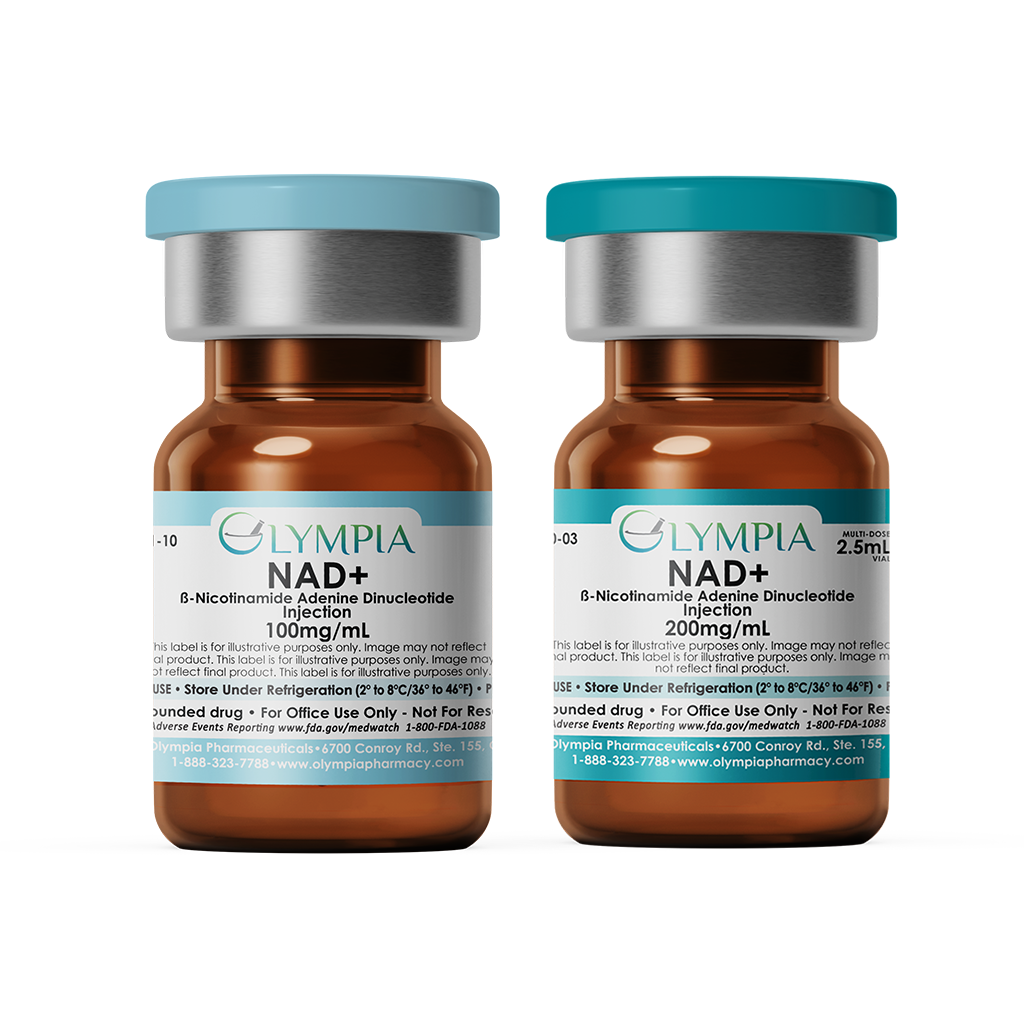
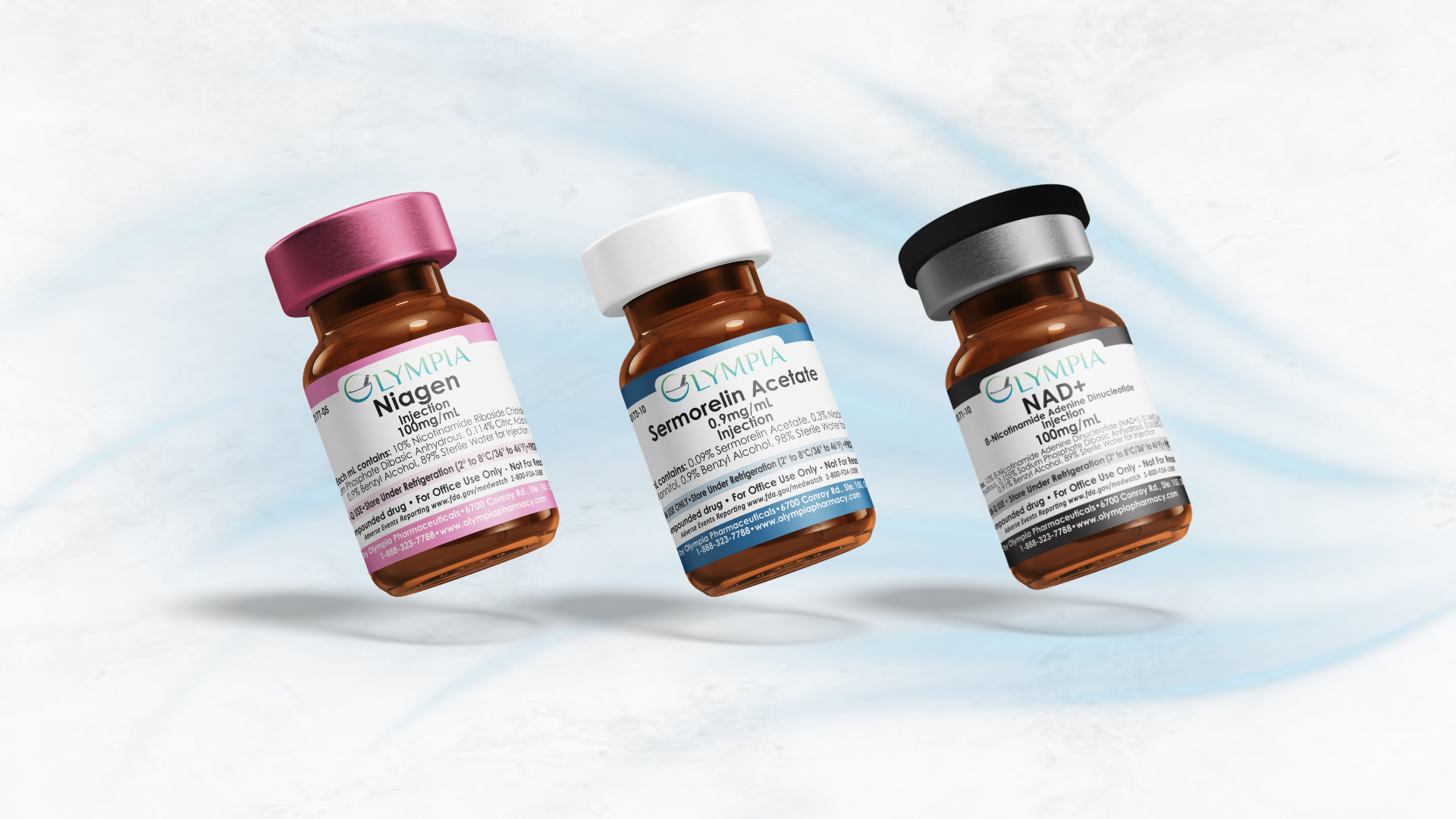
For direct-to-patient programs, solution-based products are often the cleaner path. We saw this with products like NAD+ Injection and Sermorelin Acetate. When these products are offered in liquid form, they’re easier for providers to explain, easier for pharmacy teams to dispense and easier for patients to follow at home. By removing unnecessary preparation steps, the process becomes simpler, more consistent and easier to support across direct-to-patient programs.
This is especially important as FDA’s Pharmacy Compounding Advisory Committee process continues for certain peptide bulk drug substances. If a peptide can be prepared in a stable, practical liquid solution after regulatory and formulation review, it makes sense to remove unnecessary complexity.
That’s the direction we believe products should move when the formulation supports it: ready-to-use solutions, fewer preparation steps and a simpler path from provider to patient.
This content is for educational purposes only and is not a substitute for advice from a licensed medical provider. We prepare compounded formulations under cGMP practices and with oversight by national and state pharmacy boards.