If someone’s hair is thinning, they’re likely to figure out if it’s the result of a nutrient gap. The honest answer is that more than one nutrient can be involved. Biotin deficiency is one of the clearest vitamin-related causes of hair loss. A deficiency in the mineral zinc can also lead to noticeable shedding. Low vitamin D belongs in the conversation as well, as it’s often seen in several forms of alopecia. Hair loss can also have many other causes, so nutrient status is only one part of the picture.
More than one deficiency may play a role
Biotin deficiency is among the clearest vitamin-based explanations. The American Academy of Dermatology lists too little biotin or zinc among the causes of noticeable hair loss. Vitamin D is better framed as a related factor than a single universal cause, as current academic reviews show an association with some alopecia patterns, but don’t give an end-all-be-all answer for shedding.
Vitamin D deficiency and hair loss
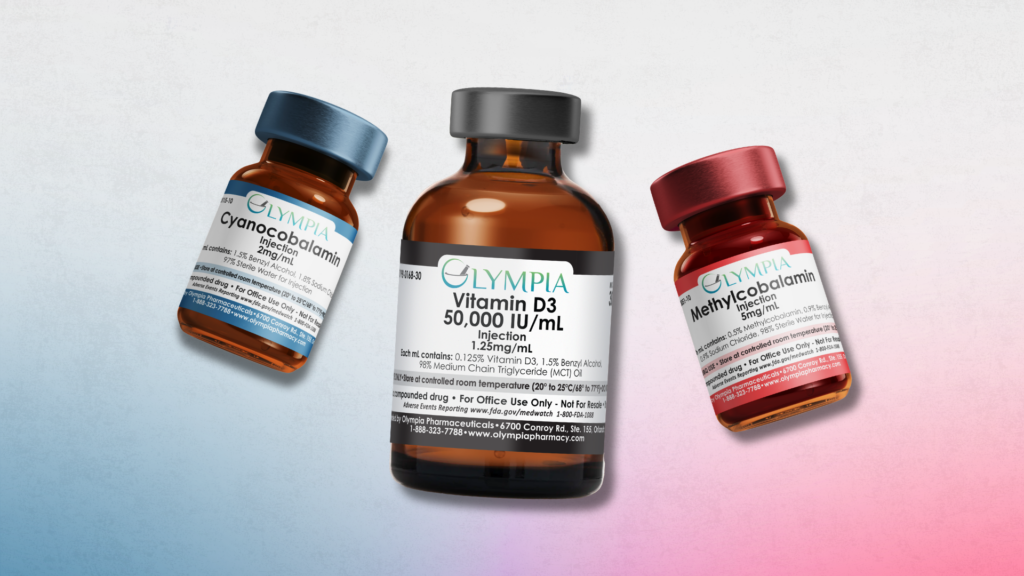
Vitamin D matters in hair biology, and vitamin D receptor activity appears to play a role in the life cycle of hair. That doesn’t mean low vitamin D is the answer every time. It does mean vitamin D is worth reviewing when the overall picture points in that direction.
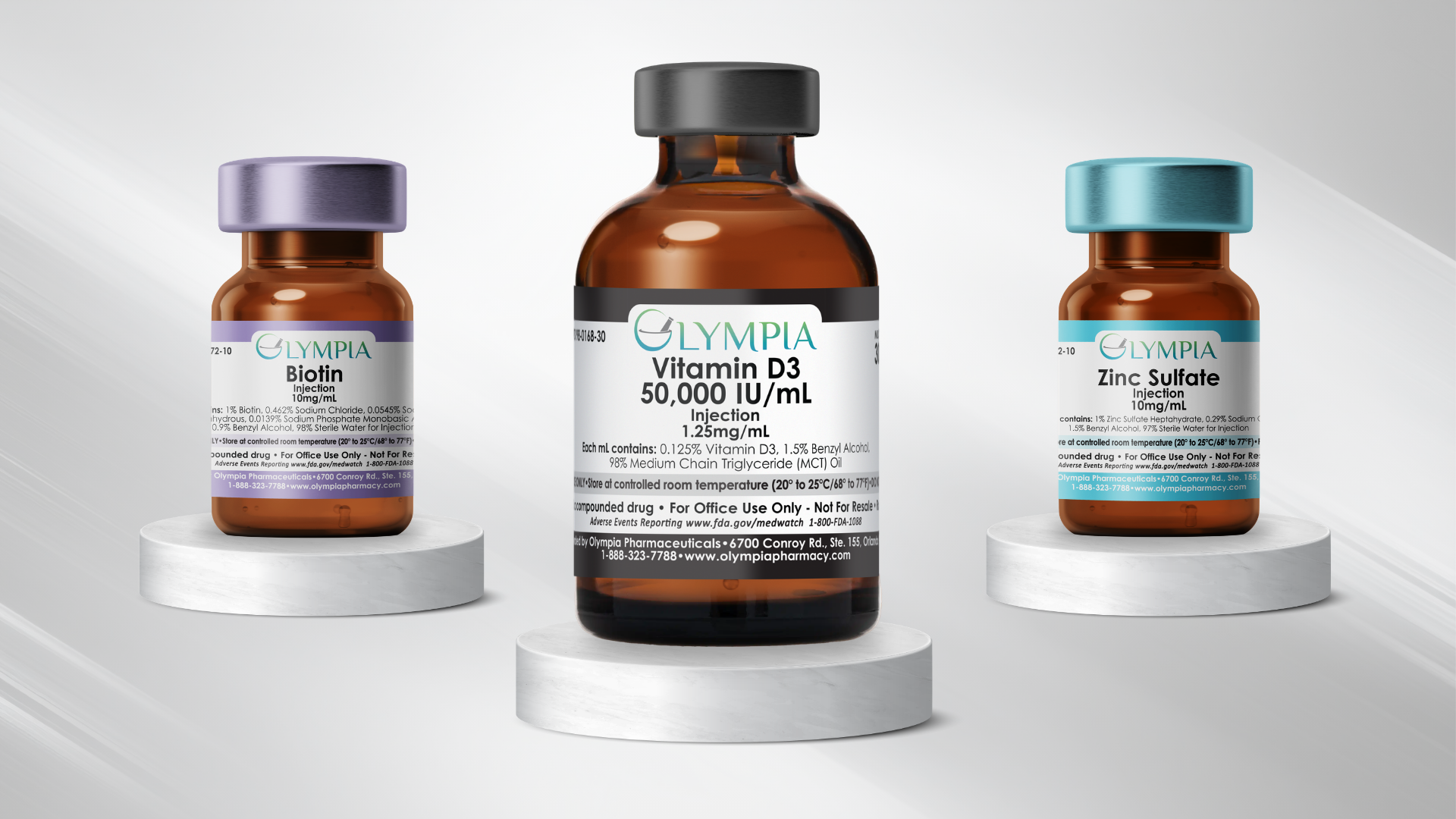
At Olympia, we offer an injectable form of Vitamin D3 as a medication you inject intramuscularly.
Biotin deficiency and hair loss
Biotin is the nutrient most people think of first when hair health comes up, and for good reason. The National Institutes of Health (NIH) note that biotin deficiency is rare, but when it does happen, symptoms can include thinning hair, which can progress to more extensive hair loss. That makes biotin deficiency a viable candidate for “most impactful deficiency.” At the same time, NIH also notes that evidence for biotin as a general hair booster is limited outside clear deficiency states.
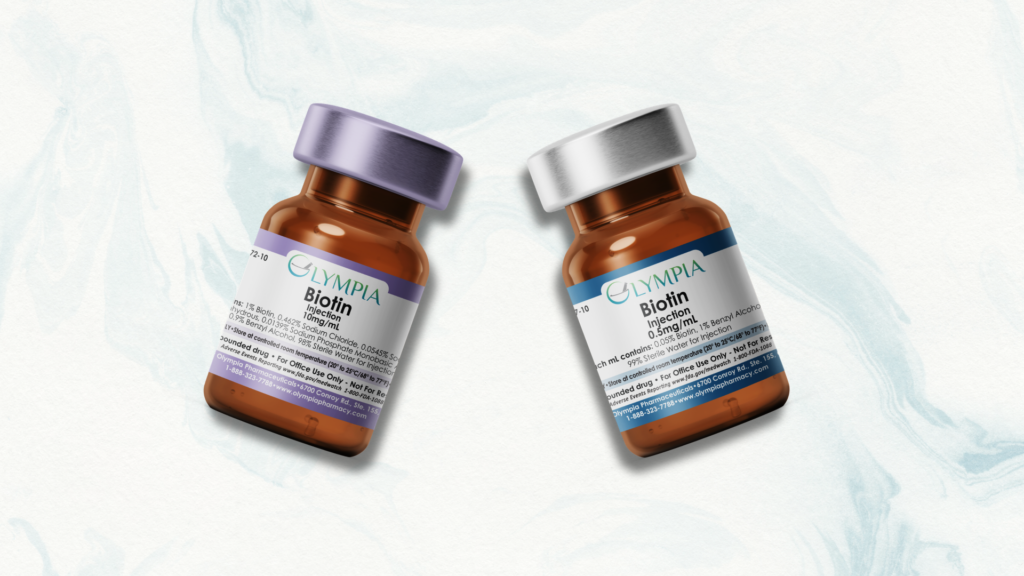
Olympia offers Biotin injections in two different concentrations: one at 0.5mg/mL and another in a 10mg/mL concentration.
Zinc deficiency and hair loss
Questions about hair often focus on vitamins and neglect how minerals can play a role in hair health. The American Academy of Dermatology lists too little zinc among the causes of noticeable hair loss, and NIH identifies alopecia as a sign of zinc deficiency. Most people in the United States still consume adequate zinc, so low zinc is not the answer for everyone. But when zinc intake or absorption is poor, it can be part of the reason hair is shedding.
Olympia offers compounded Zinc Sulfate as an intravenous medication.
Which deficiency is most likely?
There is no one-size-fits-all answer, but if you want the strongest direct response, biotin and zinc deficiencies are two of the clearest deficiency-related explanations for hair loss. Vitamin D fits best as a nutrient that may be involved in certain hair loss patterns and may be worth reviewing as part of a broader evaluation.
If you suspect you have a deficiency in Vitamin D, it can be beneficial to get lab testing conducted and find the right care plan for you.
When to speak with a licensed healthcare provider
Because hair loss has many possible causes, the next step isn’t guessing. The American Academy of Dermatology notes that finding the cause comes first, and that when a dermatologist suspects a vitamin deficiency, hormone imbalance, disease, or infection, blood work or a scalp biopsy may be part of the evaluation. That process helps separate nutrient-related shedding from other common reasons for thinning.
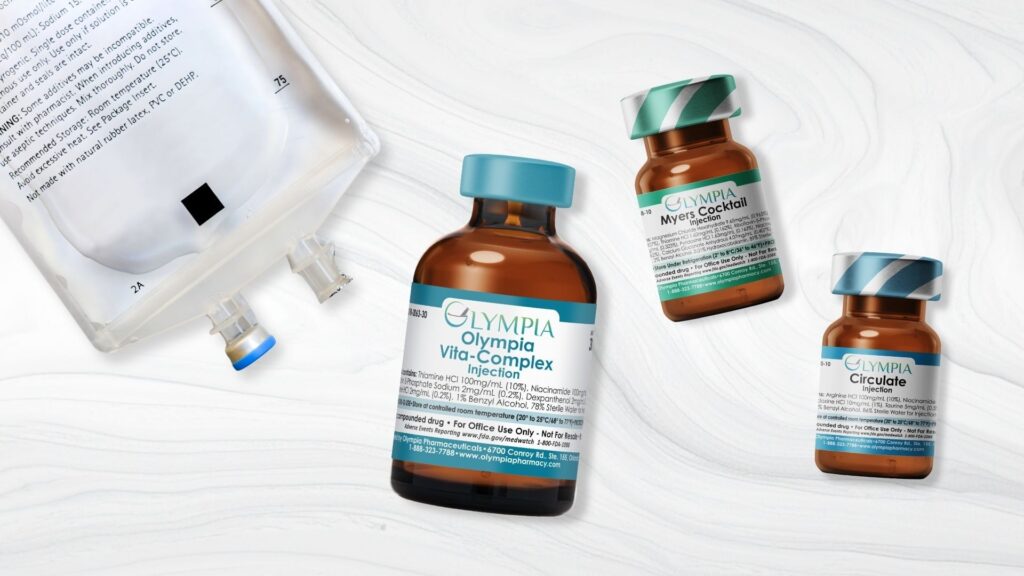
If low vitamin D, biotin, or zinc is part of the picture, Olympia offers compounded injectable medications for Vitamin D, Biotin, and Zinc.
Explore Olympia nutrient support options
If you’re looking at hair loss through the lens of nutrient status, the most important takeaway is this: the answer is not always just one vitamin. Biotin deficiency is the clearest vitamin deficiency tied to hair loss, zinc deficiency also belongs in the conversation, and vitamin D may be relevant in some hair loss patterns. A careful review of the bigger picture can help you decide whether one of Olympia’s nutrient options belongs in that next conversation.
This content is for educational purposes only and is not a substitute for advice from a licensed medical provider. All compounded formulations are prepared by Olympia Pharmaceuticals under cGMP guidelines and with oversight by national and state pharmacy boards. Clomiphene and enclomiphene require a valid prescription from a licensed healthcare provider. Always consult with a medical professional before beginning any new regimen or care plan.