
Peptides have become one of the biggest conversations in recovery, performance, longevity, and biohacking circles. From gym forums to Reddit threads, people are talking about peptides for goals like recovery, energy, body composition, sleep quality, and metabolic support.
But the word “peptide” covers a wide category. Some peptides have a more familiar medical context. Others are still being evaluated, have limited human research for the uses promoted online, or are sold with “research use only” language that should be taken literally.
For athletes, there’s another layer to consider. Many peptides discussed in performance spaces are prohibited under World Anti-Doping Agency, or WADA, rules. This matters even when a compound is easy to find online, promoted by influencers, or described as part of a “biohacking” routine.
Disclaimer: This article is for educational trend context only. It does not provide sourcing, dosing, injection instructions, cycle guidance, or stack-building advice.
Some peptides discussed online for recovery, performance, body composition, or longevity goals have limited human research for those uses. Products labeled “research use only” are not intended for human use. Anyone considering a peptide-based regimen should speak with a licensed healthcare provider. Athletes subject to anti-doping rules should check current WADA, and sport-specific resources before using any peptide or peptide-adjacent compound.
What ‘Biohackers’ Are Talking About Online
Reddit is not a medical source, but it’s useful for understanding what people are curious about. In the reddit group r/Biohackers, redditors discuss peptides in the context of injury recovery, soreness, gym performance, inflammation, energy, body composition, and longevity. Some users ask whether they are feeling anything at all, while others ask about products, stacks, or injection basics after already buying peptides.
One r/Biohackers thread about BPC-157 capsules shows a common theme: the user had been taking a product for weeks and wasn’t entirely sure it was doing anything. Another thread shows the other side of the trend, where someone had already purchased peptides and was asking basic injection questions.
That gap is the problem. Curiosity often comes before medical oversight, an understanding of whether a product has been reviewed or approved by the FDA for its intended use, product quality considerations, or a clear understanding of sport rules.
Sermorelin: A More Familiar Peptide
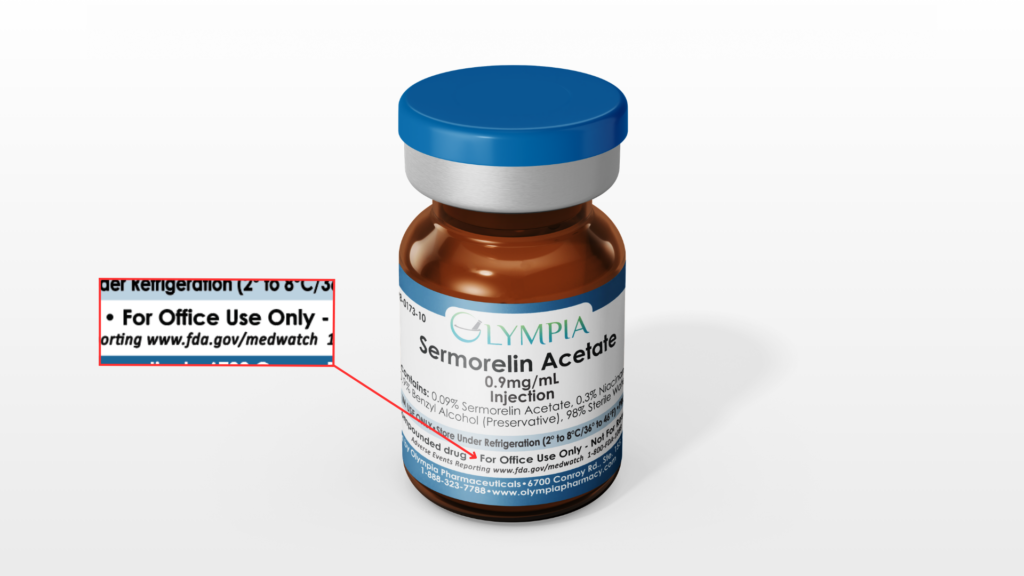
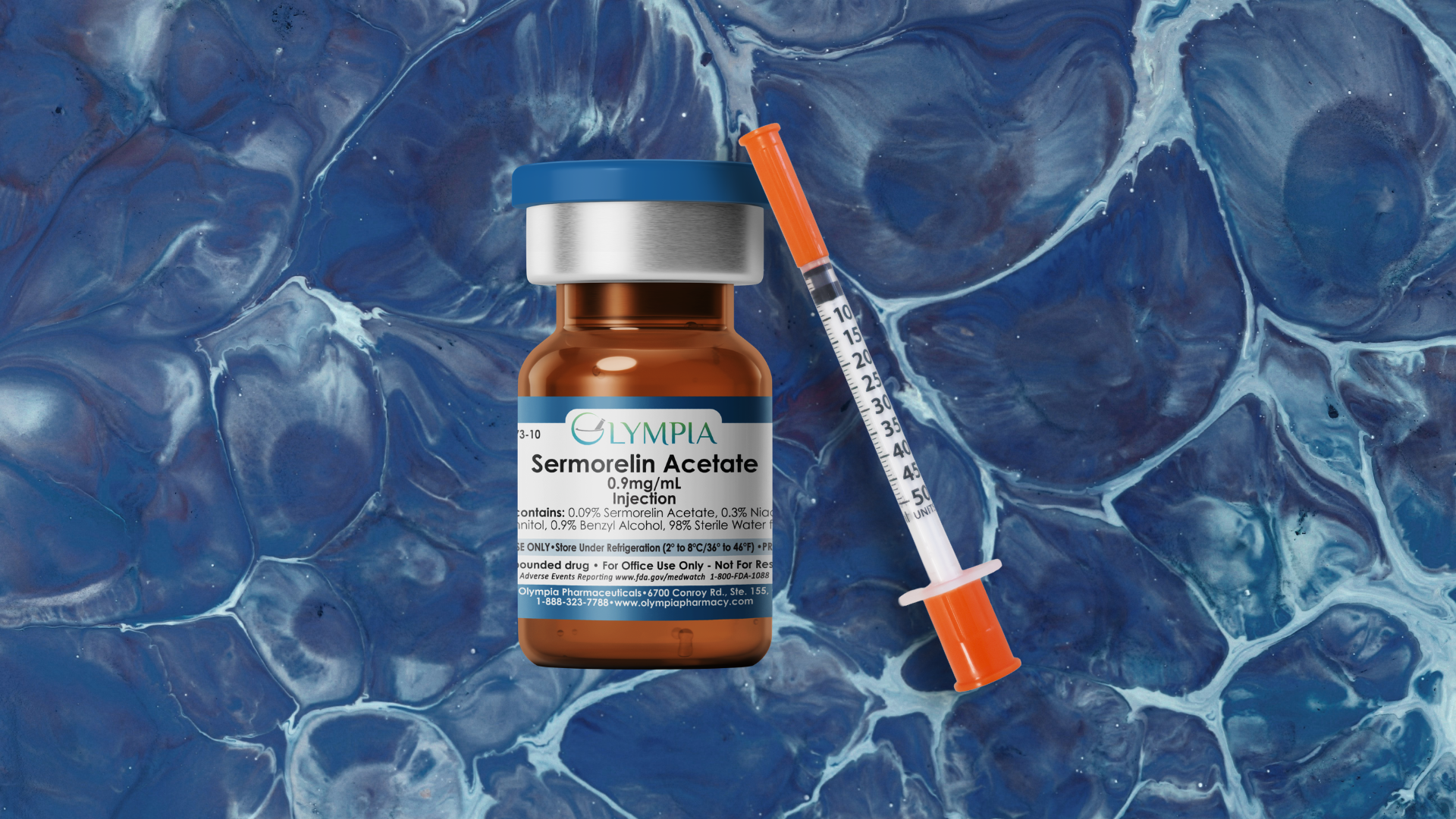
Sermorelin is often discussed in fitness and longevity circles because of its relationship to growth hormone signaling. Mayo Clinic describes sermorelin as a synthetic version of a naturally occurring substance that causes growth hormone release from the pituitary gland, and notes that it’s available only with a doctor’s prescription.
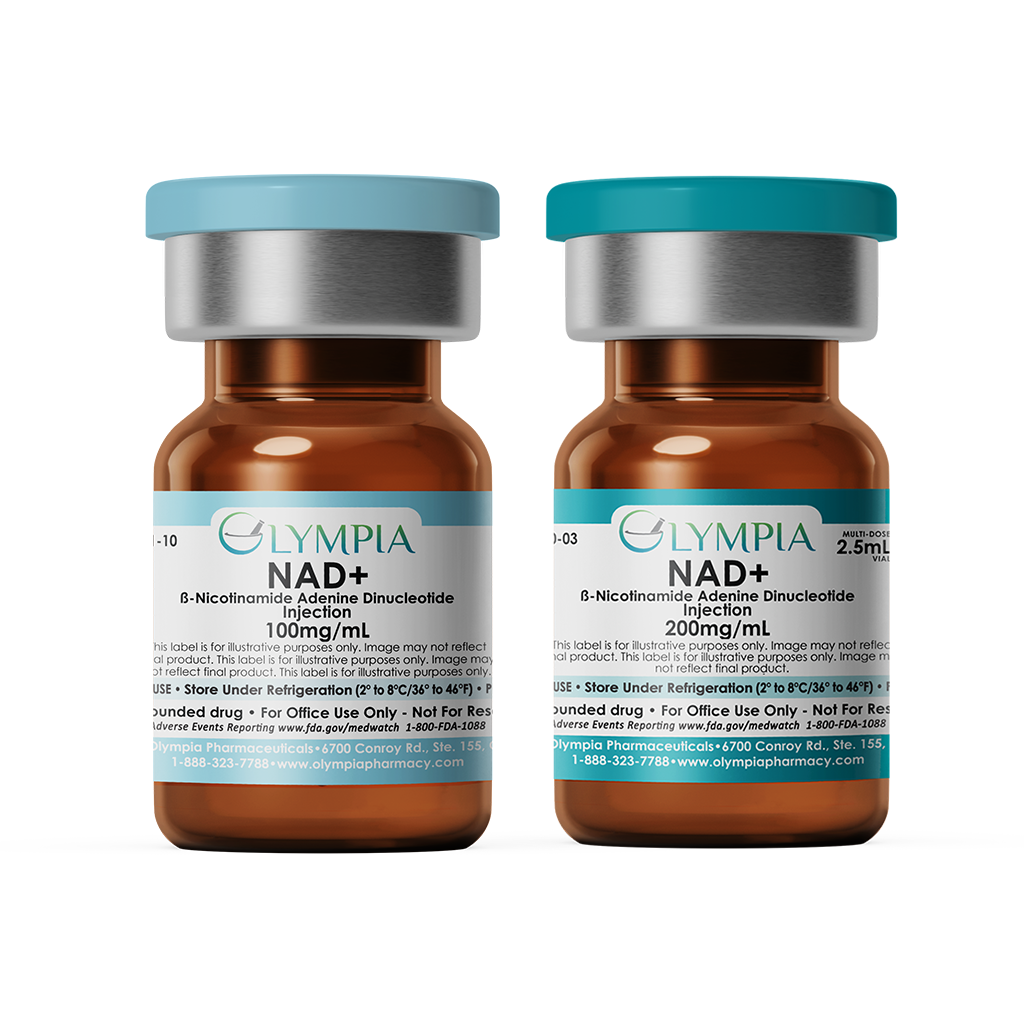
Sermorelin may come up in conversations around sleep quality, body composition, athletic performance, and recovery routines because growth hormone is tied to many repair and adaptation processes in the body. Our NAD+ and Sermorelin bundle frames Sermorelin Acetate around longevity and fitness routines, including possible areas of interest such as body composition, athletic performance, sleep quality, and deep sleep.
For competitive athletes, however, sermorelin requires caution. USADA describes sermorelin as a synthetic peptide that mimics growth hormone-releasing hormone and states that it’s prohibited in sport.
BPC-157: High Interest, But Not a Simple Recovery Shortcut
BPC-157 is a synthetic peptide derived from a naturally occurring protective protein found in gastric juice. It has been studied for its potential to support tissue repair, promote angiogenesis, and aid recovery of muscles, tendons, ligaments, joints, and the gastrointestinal tract.
BPC-157 is one of the most talked-about peptides in online recovery spaces. People discuss it around soft tissue, tendon, joint, gut, and injury-related goals. It’s also one of the clearest examples of why online popularity shouldn’t be mistaken for medical readiness.
At the time of writing, the FDA’s July 23 to 24, 2026 Pharmacy Compounding Advisory Committee meeting is scheduled to discuss BPC-157-related bulk drug substances, along with TB-500-related bulk drug substances and MOTS-c-related bulk drug substances, for possible inclusion on the 503A Bulks List. FDA advisory committee input is non-binding, so the meeting itself should not be read as permission, clearance, or a final decision.
The FDA also lists BPC-157 among bulk drug substances with risk concerns related to immunogenicity, peptide-related impurities, active ingredient characterization, and limited information for proposed routes of administration.
For athletes, the status is clearer. USADA states that BPC-157 is prohibited under WADA’s S0 category. USADA also warns that some sites market BPC-157 as a “research chemical” or “not for human use” while still implying how someone might use it.
MOTS-c: The Mitochondrial Performance
MOTS-c is a naturally occurring mitochondrial-derived peptide that supports cellular energy production and metabolic health. It’s been studied for its potential to improve glucose metabolism, insulin sensitivity, mitochondrial function, and exercise performance, making it an emerging investigational option for metabolic optimization and healthy aging.
MOTS-c is discussed online because of its connection to mitochondria (The powerhouse of the cell), energy metabolism, exercise response, and metabolic health. A Nature Communications paper describes MOTS-c as a mitochondrial-encoded peptide and reports that exercise increased endogenous MOTS-c expression in human skeletal muscle and circulation. The same paper also includes animal and cell research related to skeletal muscle metabolism and physical performance.
That research interest does not make gray-market MOTS-c appropriate for human use. USADA describes MOTS-c as a 16-amino-acid peptide coded by the mitochondrial genome and states that it is prohibited at all times under WADA’s section for AMPK activators.
The FDA’s Category 2 page also lists MOTS-c among substances with risk concerns, including immunogenicity, peptide-related impurities, and a lack of human exposure data for drug products containing MOTS-c by any route of administration.
TB-500: Another Recovery Peptide
TB-500 is a synthetic peptide based on a naturally occurring fragment of Thymosin Beta-4 that has been studied for its potential to support tissue repair, promote cell migration, and aid recovery following injury. Research suggests it may help support healing of muscles, tendons, ligaments, and other soft tissues while contributing to the body’s natural recovery processes.
TB-500 is another peptide that appears often in recovery and injury-related online conversations. It is commonly grouped with BPC-157 in biohacking discussions, especially when people discuss “recovery stacks.”
For the general public, the key point is that online claims can move much faster than human research and quality controls. For athletes, the key point is anti-doping risk. USADA has identified TB-500, CJC-1295, ipamorelin, and tesamorelin as substances prohibited at all times under anti-doping rules that adopt the WADA Prohibited List.
The FDA’s 2026 advisory committee agenda also includes TB-500-related bulk drug substances for discussion, and the FDA Category 2 page lists TB-500 with risk concerns related to immunogenicity and lack of human exposure data for drug products containing that fragment.
Peptides Banned by WADA: What Athletes Need to Know
Peptide rules are especially important for athletes who compete in tested organizations. USADA explains that peptide hormones and releasing factors are prohibited at all times under section S2.2 of the WADA Prohibited List. USADA also notes that a substance may still be prohibited even if it is not named individually, if it has a similar chemical structure or similar biological effect.
Examples athletes should recognize include:
Sermorelin: USADA states that sermorelin is prohibited in sport because of its growth hormone-releasing activity.
BPC-157: USADA states that BPC-157 is prohibited under WADA’s S0 category.
MOTS-c: USADA states that MOTS-c is prohibited at all times under the WADA section for AMPK activators.
TB-500, CJC-1295, ipamorelin, and tesamorelin: USADA has identified these as prohibited at all times under anti-doping rules that adopt the WADA Prohibited List.
The takeaway is simple: an athlete should not assume that a peptide is acceptable just because it appears in a wellness clinic, an online store, a Reddit thread, or a supplement-style product description.
Why “Research Use Only” Should Be Taken Literally
One of the most common phrases in online peptide spaces is “research use only.” That phrase is not a workaround for human use. It means the product is not intended for people to use.
This matters because research-use marketing often appears next to very human-centered claims about recovery, fat loss, muscle growth, inflammation, or performance. USADA specifically warns that some BPC-157 websites use “research chemical” or “not for human use” language while still suggesting how someone could use the compound.
For anyone reading peptide content online, that should be a red flag. If a product is labeled for research use only, do not treat it like a wellness product, supplement, or prescription medication.
This content is for educational purposes only and is not a substitute for advice from a licensed medical provider. All compounded formulations are prepared by Olympia Pharmaceuticals under cGMP guidelines and with oversight by national and state pharmacy boards. Always consult with a medical professional before beginning any new regimen or care plan.