Why Protein And Blood Flow Matter When You Are Losing Weight
Most people think about calories when they’re trying to lose weight. Protein and blood flow often get less attention, but both can quietly shape how you feel and how your body changes over time.
A higher protein intake can help you feel fuller, support lean muscle, and make it easier to stick with a calorie deficit. Several reviews and practical nutrition articles note that protein rich plans tend to improve satiety and can support fat loss when paired with appropriate calories and activity.
At the same time, circulation matters. Blood flow constantly delivers oxygen and nutrients to working muscles and tissues. That is important when you are lifting more, walking farther, or starting a new routine. Nutrients like arginine, vitamin B6 and taurine are being studied for their roles in vascular function, homocysteine metabolism and blood pressure, which is part of why some providers look at “blood flow support” alongside weight management.
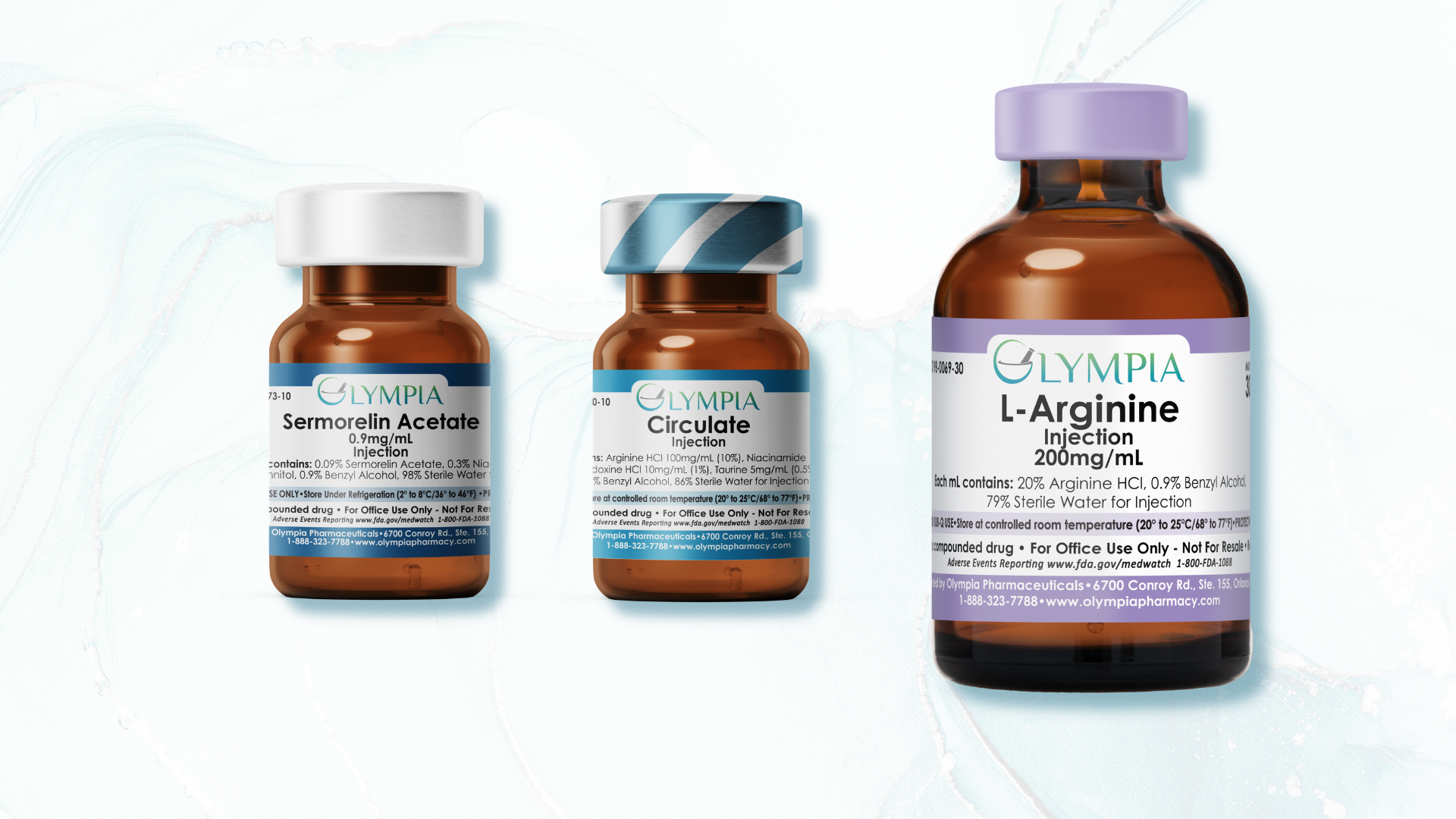
Olympia works with clinicians who may combine nutrition coaching with compounded therapies such as sermorelin acetate or IV blends like Circulate in appropriate patients. These options are always used under the direction of a licensed healthcare provider.
How Protein Helps You Stay Full And Protect Lean Muscle
Think of protein as structural material for your body; it provides amino acids that your muscles, enzymes and many hormones rely on daily.
From a weight loss standpoint, there are multiple factors protein can help influence:
- Satiety and appetite control. Higher protein meals can help people feel full longer, which may lead to lower overall calorie intake without strict tracking.
- Support for lean mass. When calories go down, your body can lose both fat and muscle. Diets that include more protein, especially when paired with strength training, tend to support better maintenance of lean mass and, sometimes, better body composition changes.
- Stable energy. Protein slows digestion and can help smooth out big swings in blood sugar when meals also include carbohydrates.
Many experts now suggest that active adults and people in weight loss programs may do better in the range of about 1.2 to 2.0 grams of protein per kilogram of body weight per day, rather than the older 0.8g/kg minimum, though the ideal amount is very individual.
More is not always better. Very high protein intakes, especially from mostly animal sources, may be a concern for people with kidney disease or certain cardiovascular risks, and long term excess can crowd out fiber rich foods. That is why it is helpful to talk with a provider or dietitian before making big changes.
Sermorelin: What It Is And Why Some People Use It In Fitness Plans
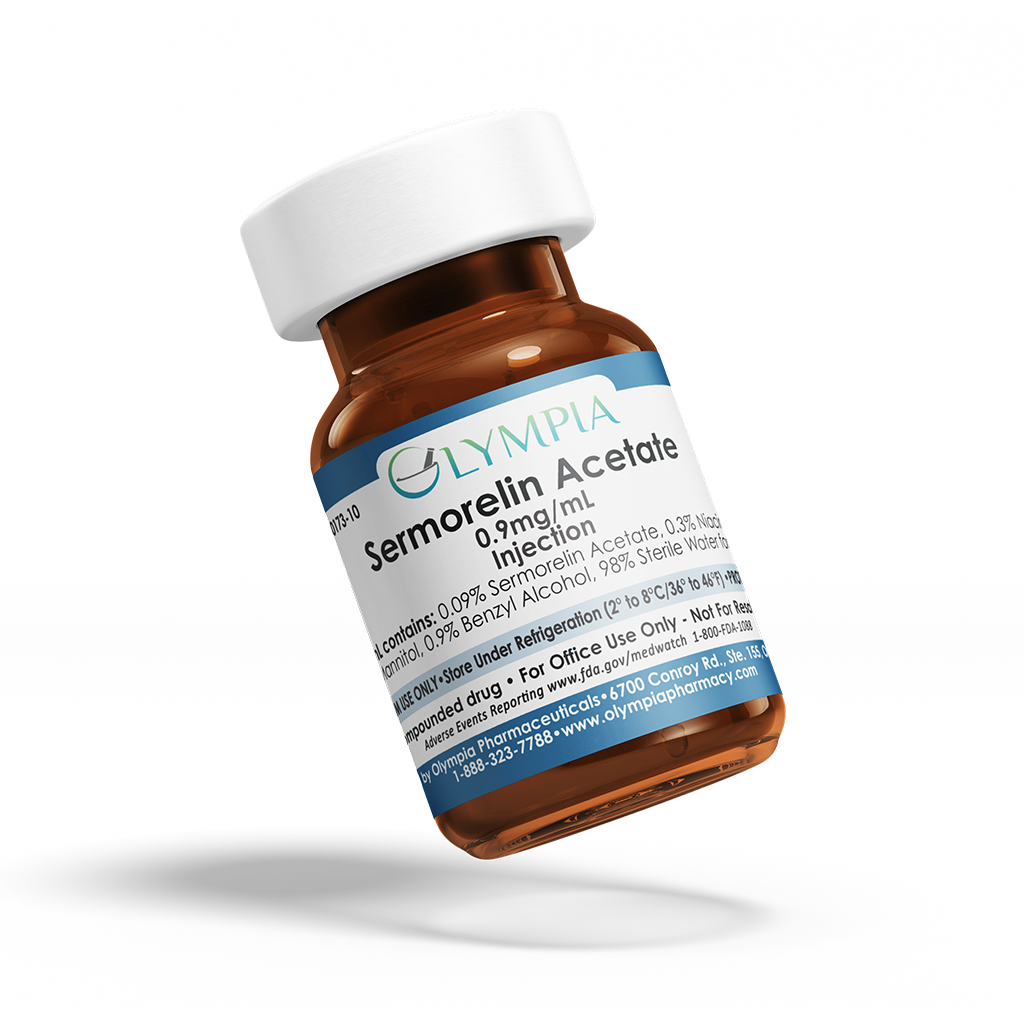
Sermorelin is a synthetic peptide that mimics a portion of growth hormone releasing hormone (GHRH). It signals the pituitary gland to release growth hormone in a more natural, pulsatile pattern. These releases occur most often during sleep and, as studies suggest, help regulate your body’s circadian rhythm. Sleep is one of the most important parts of a successful weight loss regimen, so helping to regulate it through your GHRH can play a big role in keeping momentum.
In some adults, providers may consider Sermorelin as part of a broader plan focused on body composition, energy and recovery.
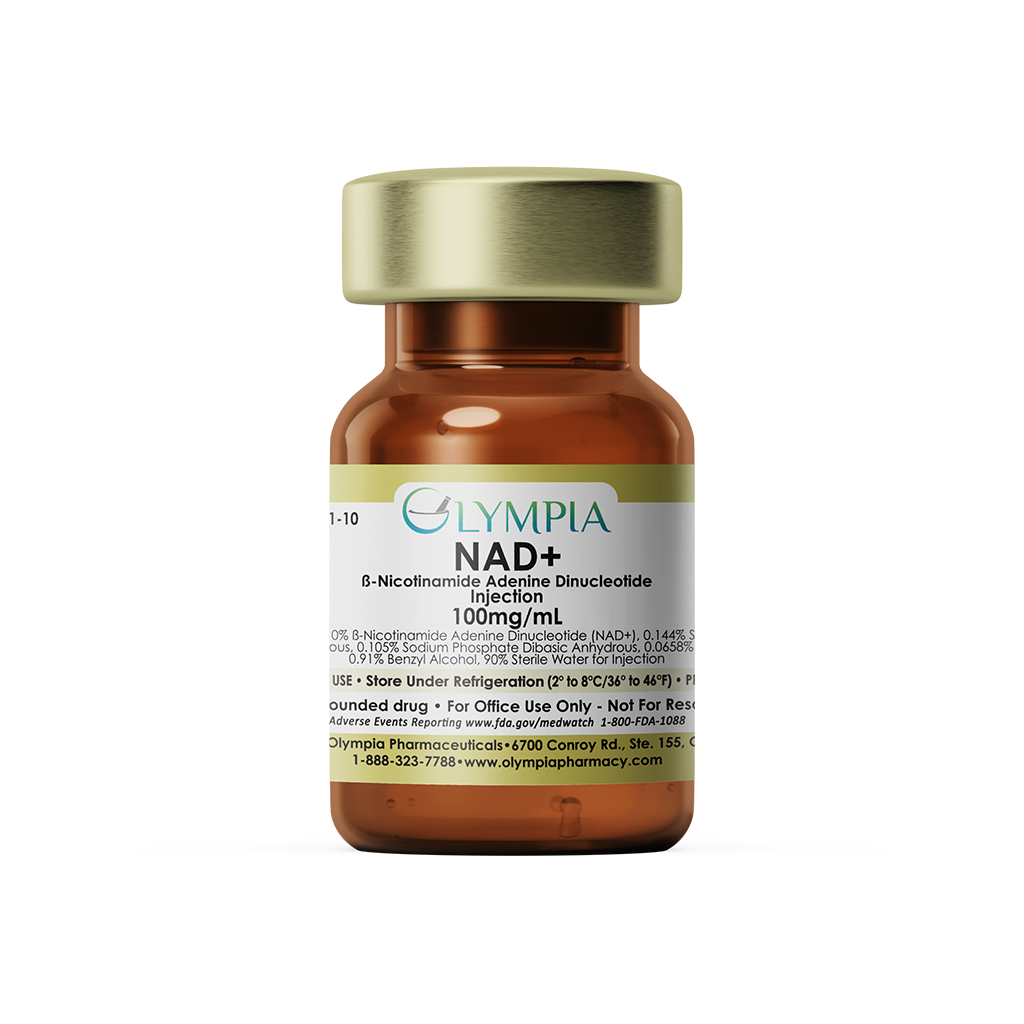
Olympia offers Sermorelin Acetate in a liquid formula for intramuscular (IM) or subcutaneous (SubQ) injection. It is also available in rapid dissolve tablet form, as well as part of a bundle with Olympia’s NAD+ injection. The bundle is designed with longevity and fitness routines in mind. Research suggests that NAD+, when found in the body, supports DNA repair and cellular energy, while Sermorelin is notable for its use in regimens designed around fat loss and muscle growth.
When paired with training and adequate protein intake, Sermorelin Acetate is a popular option in routines based around aiding body composition.
How Arginine Ties Into Blood Flow And Circulation
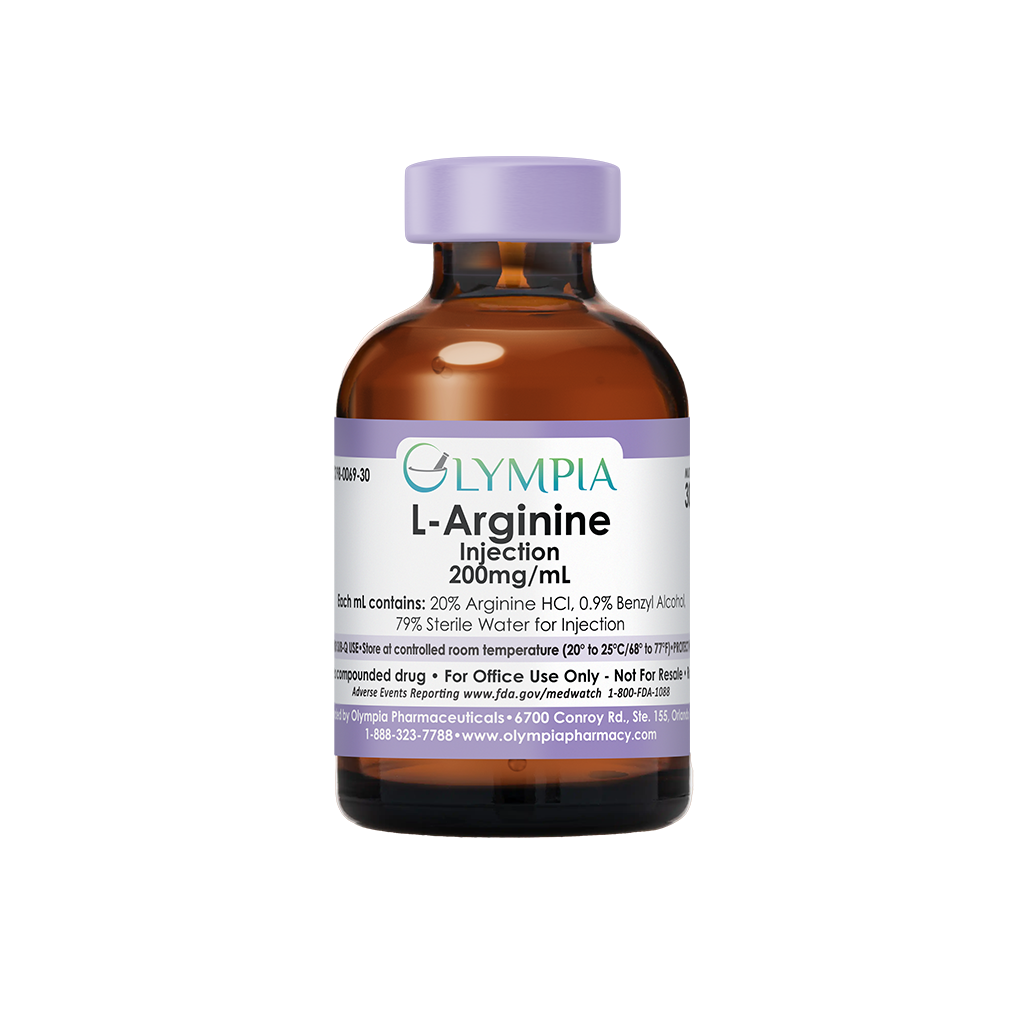
L-Arginine is an amino acid that contains nitric oxide, a signaling molecule made by the endothelium (the inner lining of blood vessels). Nitric oxide helps blood vessels relax, which supports vascular tone, blood flow and healthy blood pressure.
Research of arginine and the nitric oxide pathway suggest roles in:
- Supporting vasodilation and overall vascular regulation
- Helping maintain endothelial integrity and modulating oxidative stress
- Influencing blood flow to active tissues during exercise
Because of this, some athletes and patients are interested in arginine containing supplements as part of circulation or performance-focused plans. However, responses can vary, studies are mixed, and arginine can interact with certain cardiovascular medications. Any use should be discussed with a healthcare provider rather than self-prescribed.
A Small Vitamin With Big Jobs In Metabolism
Vitamin B6 (pyridoxine) is a water soluble B vitamin involved in more than a hundred enzyme reactions – many of them related to amino acid and protein metabolism. The vitamin is notable for its anti-inflammatory role in the body, as well as its role in supporting the efficient breakdown of protein. By breaking down proteins, it helps the body to use them more efficiently.
Studies suggest that Vitamin B6 plays a role in aiding circulation. In a study on B6 and inflammation within the body, it was concluded that being deficient in the vitamin had a negative effect on cardiovascular health. Additionally, its role in regulating certain amino acids helps to protect the heart, further supporting circulation across the body.
Whole food sources of B6 include poultry, fish, potatoes, chickpeas, bananas and fortified cereals. Supplements and injectable formulations provide additional options when a provider feels they are appropriate.
Protein Plus Sermorelin, Arginine And B6
If you zoom out, there are a few overlapping themes:
- Protein supports satiety and lean mass while you are in a calorie deficit.
- Sermorelin, when prescribed, may be used in regimens designed around body composition, longevity, and overall fitness.
- Arginine feeds into nitric oxide production, which is central to vascular tone and blood flow.
- Vitamin B6 participates in amino acid metabolism that has been linked to vascular and metabolic health.
In a typical provider guided program, the foundation is still nutrition and movement. That often takes the shape of:
- A protein-forward eating pattern with plenty of fiber, colorful produce and healthy fats
- Regular resistance training plus walking or other aerobic activity
- Focus on sleep, stress management and hydration
Where Circulate May Fit In A Blood Flow Focused Plan
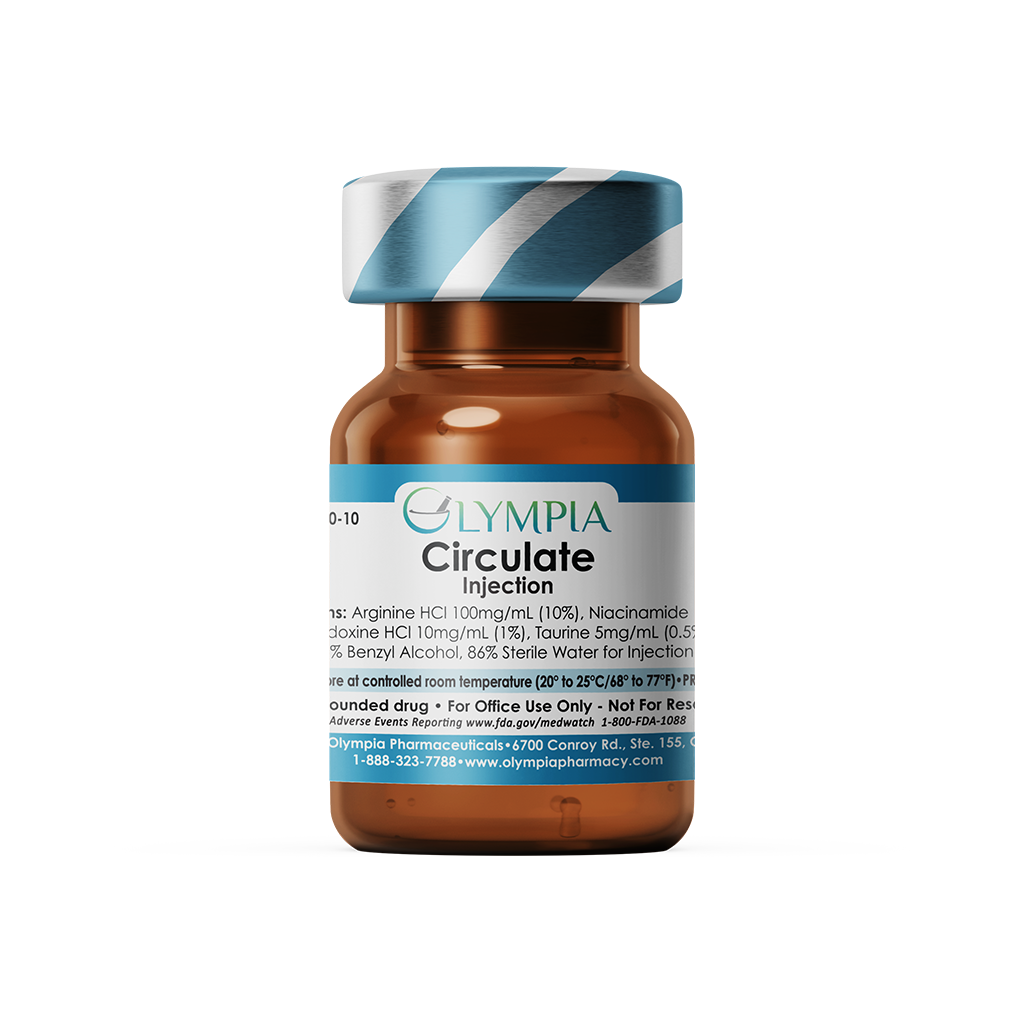
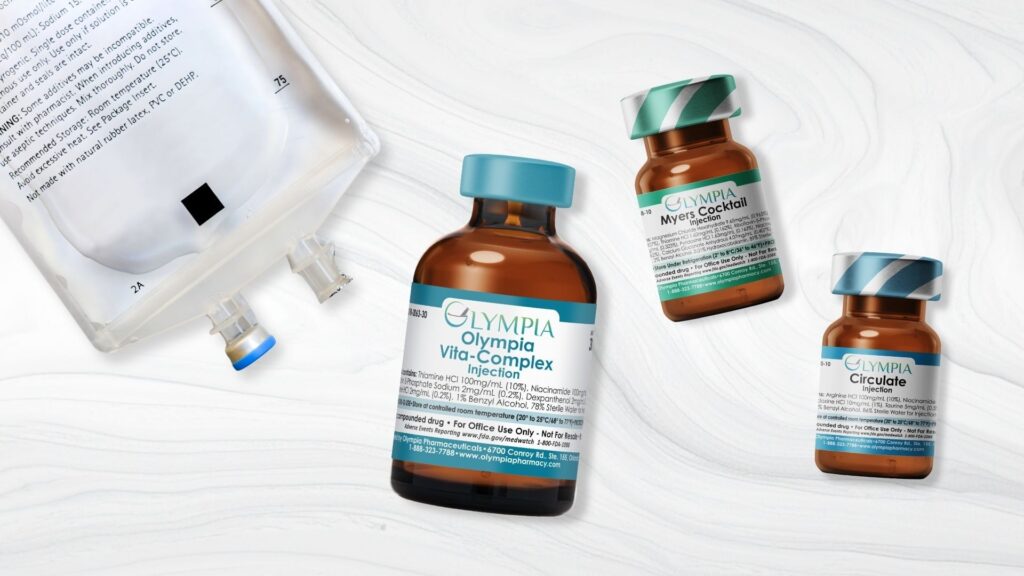
Circulate is an Olympia formulation formulated with blood flow in mind. It is an IV premix that combines B vitamins and amino acids into a single 10mL blend.
Each mL of Circulate contains arginine HCl 100mg, niacinamide (vitamin B3) 10mg, pyridoxine HCl (vitamin B6) 10mg and taurine 5mg.
Alongside pyridoxine and arginine, Circulate brings a new vitamin and amino acid into the equation:
- Niacinamide (vitamin B3)
- Supports NAD+/NADH pathways tied to cellular energy in vascular tissue
- When found in the body, helps address oxidative stress
- Research suggests it plays a role in supporting oxygen delivery
- At the cellular level, possesses anti-inflammatory properties
- Supports NAD+/NADH pathways tied to cellular energy in vascular tissue
- Taurine
- Aids in supporting insulin sensitivity
- When found in the body, supports muscle contraction and recovery
- Aids in supporting insulin sensitivity
In practice, a provider might consider Circulate for patients whose plans already include:
- A structured nutrition and exercise program
- Attention to protein intake for appetite and lean mass
- Possibly, other therapies such as sermorelin, depending on the regimen
Safety Basics And When To Involve A Healthcare Provider
None of these tools should be used without medical guidance. The products described here require a prescription from a medical professional, who can help you determine what care plan makes the most sense for your medical needs.
Situations where a conversation with a clinician is especially important include:
- History of heart disease, stroke, high blood pressure or peripheral arterial disease
- Chronic kidney disease or significant liver disease
- Diabetes or major endocrine issues
- Use of blood pressure medications, nitrates, anticoagulants or other complex medication regimens
- Pregnancy, breastfeeding or trying to conceive
- The use in individuals under the age of 18
High protein diets may not be appropriate for everyone, and peptide therapies or IV infusions require valid prescriptions from providers. Always consult with a licensed medical professional before beginning any new form of regimen.
Your provider can also help monitor for potential side effects such as changes in blood pressure, electrolyte shifts or lab markers when making use of IV nutrients or peptides.
If you are curious about pairing a protein forward diet with options like sermorelin or Circulate, you might bring questions such as:
- Based on my health history, what daily protein range makes sense for me right now?
- How should I time protein around my workouts, or if I am using a GLP-1 or other weight loss medication that affects appetite?
- Would a therapy like sermorelin be appropriate for my goals, and how would it be monitored over time?
- Are there any reasons I should avoid arginine or B vitamin-focused IV therapies?
- Could a formulation that includes arginine, niacinamide, pyridoxine and taurine fit into my plan, or are there other priorities I should address first?
A licensed healthcare provider can walk through the potential benefits, risks and logistics of products like the NAD+ & Sermorelin bundle or Circulate, and help you decide whether they belong in your own long term strategy.
This content is for educational purposes only and is not a substitute for advice from a licensed medical provider. All compounded formulations are prepared by Olympia Pharmaceuticals under cGMP practices and with oversight by national and state pharmacy boards. Always consult with a medical professional before beginning any new regimen or care plan. Products mentioned in the article above require a prescription, and are only available to patients 18 years of age or older.