
Longevity, to me, is about healthspan — extending the number of years we live in peak physical and mental condition.
We often hear about breakthroughs in medicine and genetics that may extend human life, but what about the simple, consistent choices we make every day? From how we move, eat, sleep, and manage stress, to the quality of our relationships and routines, daily habits can quietly shape our long-term health. In this interview series, we are talking to doctors, nutritionists, researchers, wellness experts, and anyone with deep knowledge in the field of health and aging about, “Longevity: Daily Choices That Add Years to Life”.
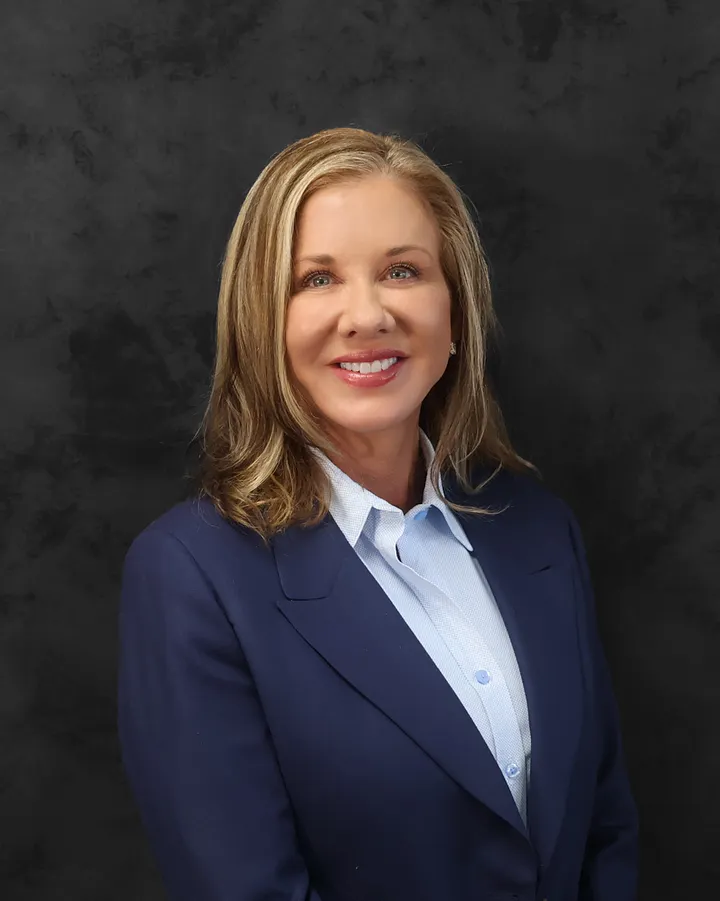
As a part of this series, we had the pleasure of interviewing Naomi Loomis.
Naomi Loomis, RPh, is a distinguished pharmacist and entrepreneur recognized for her expertise in sterile compounding and regulatory compliance. Born and raised in Ohio as a first-generation college student, Naomi’s journey is a testament to perseverance and vision. She not only earned her place in the pharmacy profession but also built Olympia Pharmacy and Pharmaceuticals into a thriving multi-million-dollar enterprise. Passionate about fostering career opportunities in compounding, Naomi advocates for a strong work-life balance for pharmacists while advancing innovation in the field. To honor her roots and support the next generation, she established the John Paul Foundation Scholarship at The Ohio State University College of Pharmacy, providing financial assistance to aspiring pharmacy students pursuing their dreams.
Thank you so much for your time. I know that you are very busy. Our readers would love to get to know you a bit better. Can you tell us a bit about your background and what first sparked your interest in longevity?
I’m originally from Ohio, where I grew up with a deep respect for hard work and a bit of a pioneer spirit. As a first-generation college student, I didn’t have a roadmap for a career in medicine, but I had a relentless curiosity about how the body functions at a cellular level. That curiosity led me to The Ohio State University College of Pharmacy, where I found my calling in the pharmacy industry.
My interest in longevity didn’t actually start with a desire to ‘live forever’ in the literal sense. It started with my patients. Early in my career, I saw a massive gap in traditional medicine. We were very good at addressing symptoms once a disease had already taken hold, but we weren’t doing enough to prevent it from happening in the first place. I started seeing patients who weren’t sick by clinical standards, but they were losing their vitality. Their energy was dipping, their cognitive focus was fading, and their physical recovery was slowing down.
As a pharmacist specializing in individualized pharmaceutical solutions, I realized I had the tools to help bridge that gap. Longevity, to me, is about healthspan — extending the number of years we live in peak physical and mental condition. Throughout my career, I have been especially passionate about supporting the health and wellness goals of women. Long-term vitality and aging-well are primary focuses for many women, and I’ve made it my mission to ensure they feel their absolute best. This includes everything from providing access to medications for hormonal imbalances and menopause to designing specific topical creams that help women enjoy intimate time with their partners.
Seeing the transformative power of these individualized options and how they could essentially recharge a person’s quality of life, sparked the passion that led to the founding of Olympia Pharmaceuticals. It’s been a journey of moving from reactive care to proactive wellness that prioritizes the unique needs of each patient.
None of us build meaningful impact alone. Is there a particular person, experience, or moment that shaped how you think about aging, healthspan, or daily habits? Can you share a story?
Impact is rarely a solo endeavor. For me, it is rooted in the legacies of the people I love most. My perspective on opportunity and perseverance was shaped by my parents, John and Linda. My father, John Paul Dillow, never had the chance to attend college himself, but he was a steadfast believer in the power of education. He saved money in a Band-Aid can to fund my tuition at The Ohio State University.
Beyond his support for my education, my parents modeled what it meant to prioritize health. They used to run marathons together, and there is a picture I cherish of them holding hands just before crossing the finish line. My father made a point to run five miles every single morning, a routine he kept up until his diagnosis. Seeing that kind of quiet, disciplined sacrifice, both in his work and his physical health, taught me that vitality and success aren’t just about the individual. They are about the foundation we build for those who come after us.
It’s why establishing the John Paul Dillow Scholarship was so important to me. I wanted to honor that ‘Band-Aid can’ spirit for other first-generation students. When I think about longevity now, I don’t see it as a distant goal. I see it as a daily series of choices made to honor these legacies.
This drives my commitment to foundational habits like daily movement and balanced nutrition. My husband, Stan Loomis, is also very health-conscious. He loves to be outside at the beach, in the ocean, and staying active outdoors. Stan’s passion for wellness, combined with the discipline I learned from my father, has shaped my longevity routine. Today, that includes daily exercise with a personal trainer and healthy meals focused on protein and vegetables. They are longevity deposits that help me manage stress and stay present. I believe that by proactively managing our health through these thoughtful, daily choices, we are giving ourselves more time to create our own stories and leave legacies that truly matter.
You are regarded as a leader in your space. Which three character traits have most influenced how you think and act when it comes to long-term health and longevity? Can you share a story or example for each?
The first trait that has most profoundly shaped my approach to longevity is a commitment to uncompromising precision. In the highly regulated world of pharmaceutical manufacturing, there is no margin for error, and I have carried that same pharmaceutical-grade mindset into how I view human longevity. I believe that long-term health is not the result of guesswork but of precise decisions made at the cellular level. At Olympia, we have always viewed high standards as an opportunity to lead the industry. We work tirelessly with our quality and regulatory teams to ensure every protocol is flawless. This has solidified my belief that being meticulous isn’t just a regulatory requirement. It is the highest form of care we can offer a patient. If we wouldn’t accept a 1% margin of error in our lab, why would we accept it in our own daily health choices?
The second trait is visionary empathy, the ability to see a person’s future health potential even when they are currently struggling. To lead in wellness, you must look past immediate symptoms and envision a person’s life ten or twenty years down the road. This trait was at the heart of founding Olympia. In the beginning, I spoke with many patients who felt dismissed by traditional medicine and were told that their loss of vitality was simply a part of aging. They had lost hope. By listening and holding a vision of health they couldn’t yet see for themselves, I realized that my job was to act as the bridge between their current reality and their future vitality.
Finally, I believe that disciplined resilience is crucial for anyone seeking longevity. Real health is an endurance race, not a sprint, and it requires the grit to stay consistent even when results aren’t immediate. I learned the true meaning of this resilience through the complexities of scaling a 503B outsourcing facility. Navigating high-level regulatory shifts and operational demands required a relentless commitment to the long-term mission, even when the path was steep. This experience taught me that whether you are building a pharmaceutical enterprise or maintaining your own health, the most important factor is the willingness to show up and do the work, day after day. It is about being more committed to the integrity of the process than to the convenience of a quick result.
Ok, fantastic. Let’s now move into the heart of our conversation. What is the one daily habit you believe adds years to someone’s life, but that most people still ignore?
The habit I believe adds the most years to a life, yet remains widely ignored, is the proactive maintenance of cellular energy through metabolic optimization. Most people are reactive, waiting for fatigue or brain fog to set in before taking action, but true longevity is built on supporting your cellular battery long before it drains.
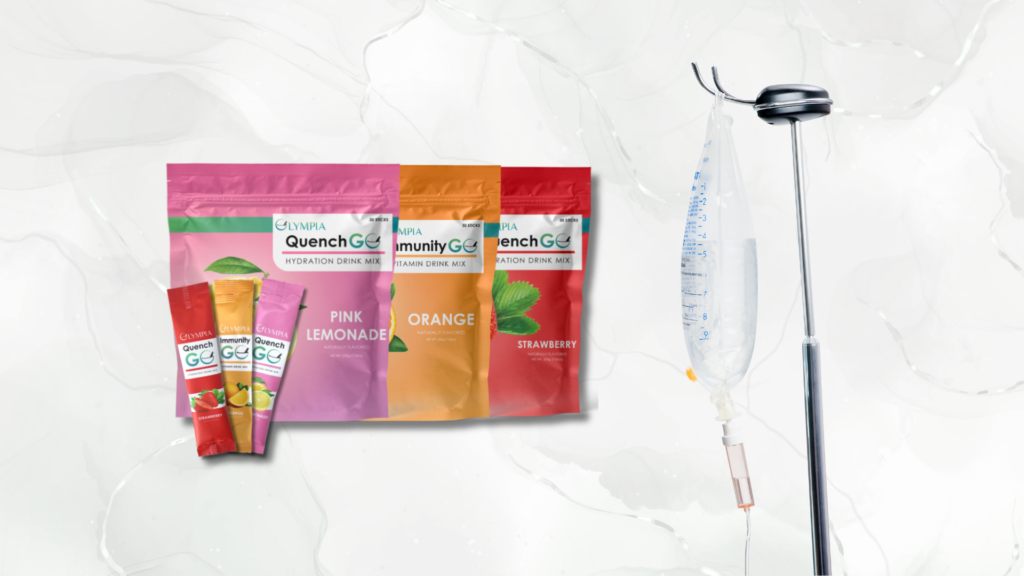
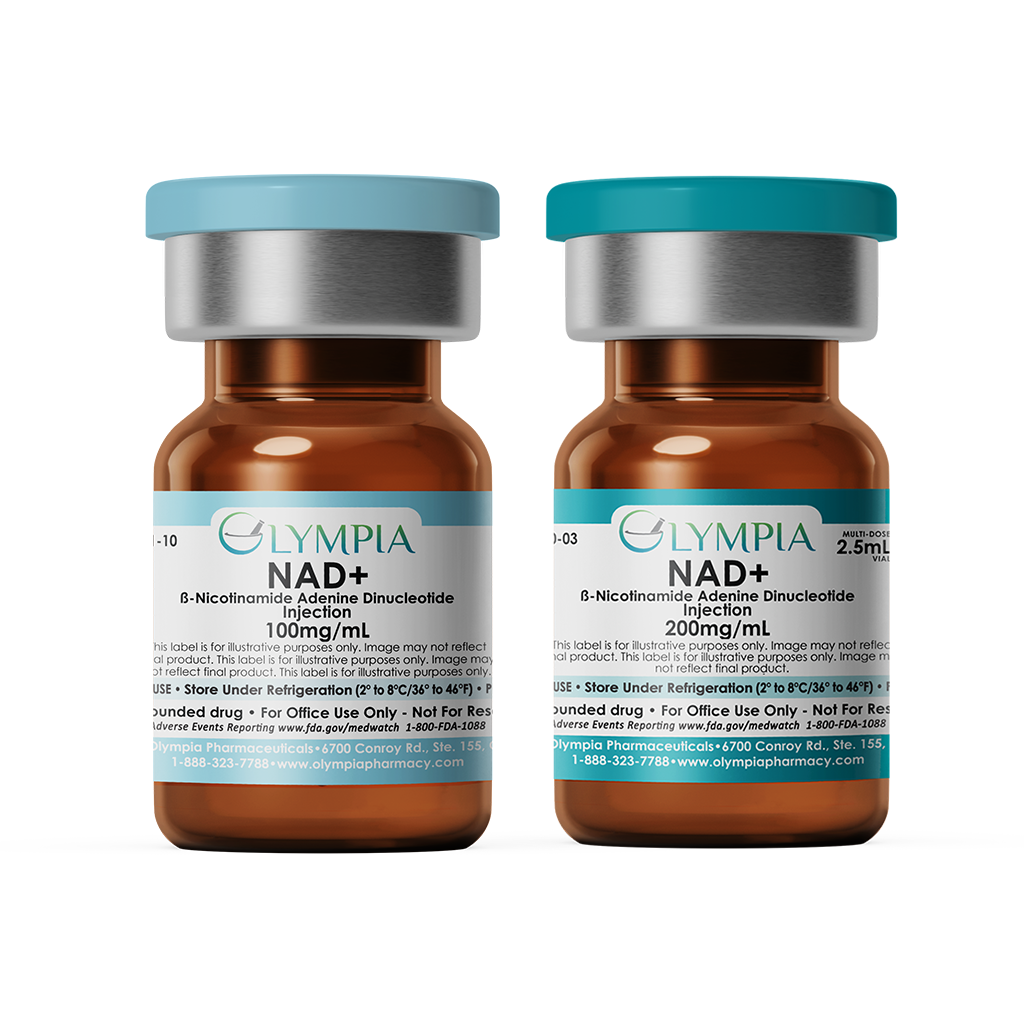
Personally, my daily routine includes a regimen of vitamins and minerals in addition to NAD+. There is a common misconception that you only need supplements if you have a clinical deficiency, but that is far from the case. You don’t wait for your car to run out of oil before you service it. Similarly, you shouldn’t wait for a deficiency to support your biology.
Vitamins and minerals are not just safety nets. They are powerful tools to give you the energy, clarity, and vitality you’ve been looking for. At Olympia, we’ve seen the transformative impact of coenzymes like NAD+, which is essential for DNA repair. While many view these as “extras” or specialized options, I see the habit of consistently fueling your body with these foundational elements as a non-negotiable pillar of healthspan that the average person has yet to fully embrace.
What advice would you give to someone who struggles with consistency? How can they build daily habits without becoming overwhelmed?
My best advice for anyone struggling with consistency is to stop aiming for perfection. When I was a first-generation pharmacy student balancing a heavy workload, I often felt completely overwhelmed by the idea of a 10-step wellness routine. I eventually realized that you can’t build a big life on a chaotic foundation. I had to stop looking for a magic pill and instead start prioritizing just the first fifteen minutes of my morning.
I tell people to pick one anchor habit, something as simple as a morning glass of water or a short walk, and treat it as a non-negotiable. It’s like the foundations we build at Olympia. The most effective treatments don’t work because of one single dose, they work because of steady, repeated support over time. Consistency is just about reducing decision fatigue so that your healthy choices become as automatic as brushing your teeth.
Get Dr. Sonya Reddy’s stories in your inbox
Join Medium for free to get updates from this writer.Subscribe
Remember me for faster sign in
If you’re feeling overwhelmed, start in small batches. Master one tiny habit until it feels effortless, then add the next. When you stop worrying about the whole mountain and focus on the next small step, you’ll find that the long-term results, like better energy and longevity, actually start to take care of themselves.
What is the biggest myth about aging that you wish people would stop believing, and what does the latest science actually show instead?
The biggest myth about aging, specifically for women, is the idea that the loss of vitality, brain fog, and physical discomfort associated with menopause is just an inevitable right of passage that must be endured. For decades, women’s health has been deeply misunderstood, and as a result, many women have been suffering in silence without access to the medications they truly need.
I often hear the phrase, “Well, I’m just getting old,” but the latest science shows that aging is a biological process we can actively influence through hormonal optimization. The misconception that Hormone Replacement Therapy (HRT) is dangerous stems largely from a 2002 study that has since been repeatedly debunked for its methodological flaws. We now know that for women within ten years of menopause, HRT is not only safe but is an effective tool we have to replenish declining hormone levels. As women age, their hormones change too.
By taking a proactive role in hormonal testing and therapy, women can utilize HRT to mitigate the complications of menopause and, quite frankly, feel like themselves again. Modern longevity is less about a pre-determined clock and more about the efficiency of our signaling molecules. When we strengthen those signals through precision science and personalized care, getting older no longer has to mean “slowing down.” I want women to know that they don’t have to accept a one-way street toward frailty. With the right foundational support, you can stay in the game and maintain your peak quality of life for much longer than previously thought.
Can you explain how compounding benefits work when it comes to daily health habits? Have you experienced any surprising long-term transformations from seemingly small changes?
In the world of pharmacy, compounding refers to the precise mixing of ingredients to create a customized result, but in life, it’s about how small actions build interest over time. I like to think of daily health habits as a high-yield savings account for your body. If you put in a small amount of effort today, you don’t see much of a change tomorrow, but over a decade, those deposits create a level of vitality that you simply can’t buy at the last minute.
I experienced a surprising transformation myself when I prioritized consistent hydration and mineral balance. At first, it felt almost too small to matter. However, over time, I realized my afternoon energy slumps had vanished and my mental clarity was sharper than it had been in years. It was a reminder that you don’t need to do something heroic once, you just need to do something small every single day.
At Olympia, we see this principle in action through individualized wellness solutions that support the body’s internal chemistry. Achieving long-term health is about the cumulative effect of these consistent, precise adjustments. The most rewarding transformation I see in our patients isn’t just a physical change, but a shift in their entire outlook. When you provide your body with the foundational elements it needs to remain balanced, you stop feeling as though you are declining and start feeling as if you are evolving. It’s those disciplined daily choices that eventually lead to the most significant health transformations.
What are “5 Daily Choices That Add Years to Life”?
1. Move Your Body to Clear Your Mind
Longevity isn’t just about the heart. It’s about the head. Growing up in Ohio, I learned early on that hard work requires a clear mind. I make it a choice to get some form of physical activity every morning, whether it’s a quick walk outside or a more intense workout. It’s not about training for a marathon. It’s about that four-to-six-hour weekly window of movement that helps manage stress. When I was starting my career, those few minutes of morning movement were often the only time I had to myself to process the day’s challenges before they began.
2. Protect Your Non-Negotiable Sleep
We live in a culture that glorifies the grind, but you cannot sustain a high-impact life on four hours of sleep. I’ve made sleep a non-negotiable daily choice. I realized early in my journey as an entrepreneur that I wasn’t doing my team or my family any favors by being exhausted. Quality rest is when your body and brain do their best maintenance work. I look at sleep as the ultimate recovery tool that allows me to show up as a better leader.
3. Choose Relationships Over Transactions
Longevity is deeply tied to the quality of our community. I’ve always believed that true success is built on meaningful relationships rather than just business deals. Whether it’s traveling with my family or having a quiet dinner with my husband, Stan, I choose to invest time in the people who ground me. These connections act as a safety net during life’s hardest moments, and provide the emotional resilience needed to keep going.
4. Prioritize Biological Foundations Over Quick Fixes
Most people spend their lives looking for a silver bullet to fix their health, but the most effective approach is to prioritize your biological foundations before you feel a decline. This means utilizing high-quality vitamins and minerals to optimize your energy and clarity, rather than waiting for a deficiency to appear. It is essential to connect with your doctor to establish a baseline. I’ve seen too many people wait until they are symptomatic to seek help. By staying ahead of your health through supplementation and a strong partnership with your medical provider, you can maintain a level of vitality that prevents the need for quick fixes later.
5. Practice Intentional Perspective
One of the most life-extending choices you can make is how you respond to what life throws at you. I choose to spend time every day reflecting on my “why” and practicing gratitude, even during the difficult seasons. Choosing to focus on what you can control and letting go of the rest significantly lowers the chronic stress that ages us. When you move through the world with a sense of gratitude and perspective, your body feels that ease, and it adds a vitality that no medication can replicate.
What role does mindset play in forming new habits? How do you maintain motivation when the results aren’t immediately visible?
Mindset is the invisible architecture behind every habit. In my experience, the biggest hurdle to consistency is the “all-or-nothing” mentality — the belief that if you aren’t seeing a radical transformation in the first week, you’re failing. To overcome this, I’ve learned to shift my focus from seeking results to building an identity. You have to decide you are the type of person who prioritizes health, regardless of what the scale or a lab report says today.
When results aren’t immediately visible, I stay motivated by focusing on the integrity of the process. I treat my personal habits with the same respect I give to a complex project at Olympia. You don’t change a proven formula just because the reaction hasn’t finished yet. You trust the science and stay on course.
On days when motivation is low, I rely on micro-wins. If I can’t do a full hour of movement, I choose fifteen minutes. This keeps the habit alive without feeling overwhelmed. When you view your daily habits as an investment in your future self rather than a quick fix, the lack of an immediate win becomes much easier to navigate.
How can our readers further follow your work?
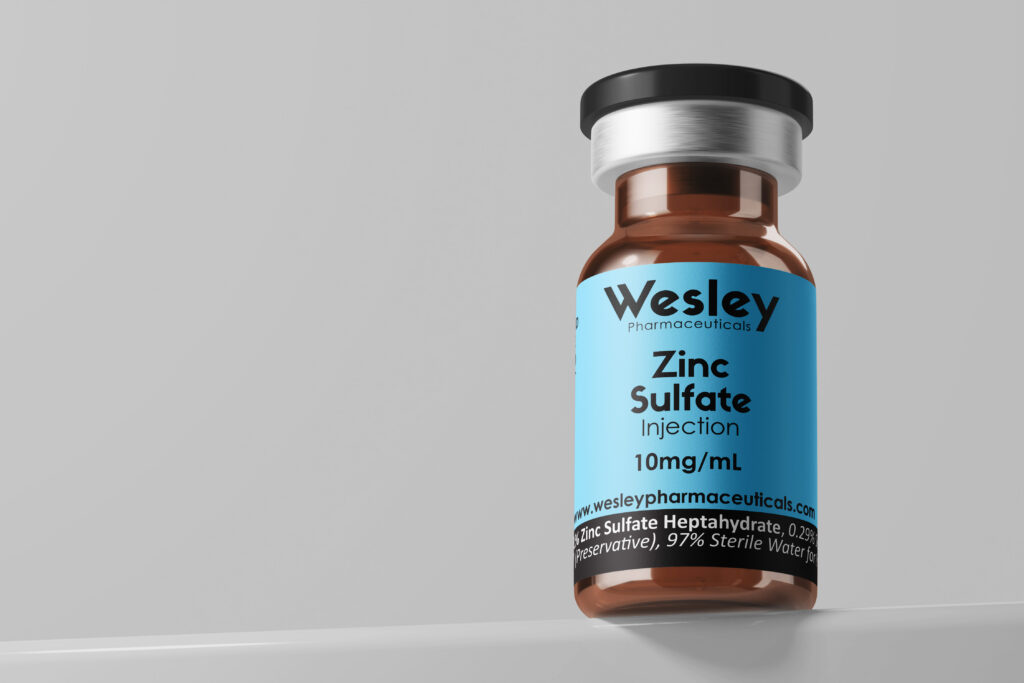
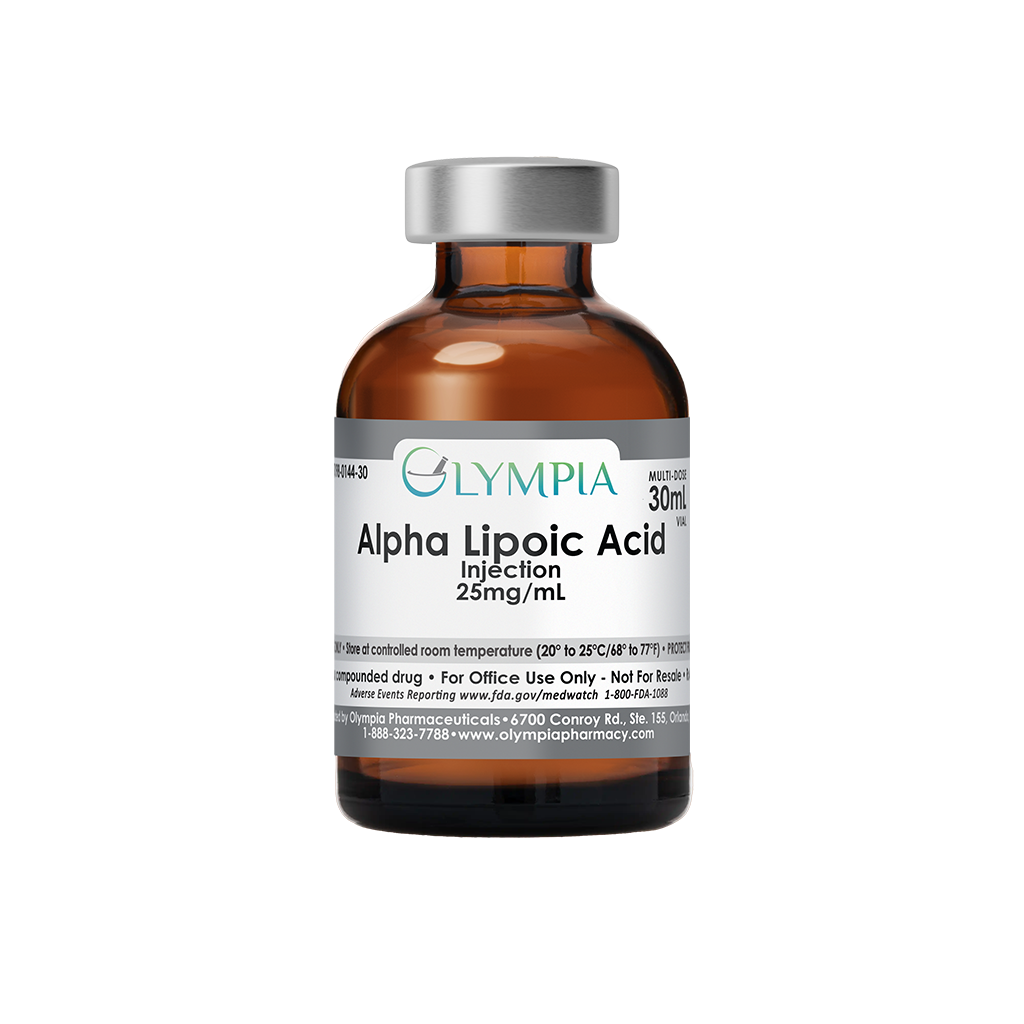
The best way to stay updated on my professional work is through my LinkedIn profile, where I regularly share insights, career updates, and details on the projects I’m involved in. Additionally, you can explore the websites of Olympia Pharmaceuticals and Wesley Pharmaceuticals to learn more about our ongoing initiatives and the new products we’re launching.
Thank you so much for sharing these important insights. We wish you continued success and good health!