
Biohacking is a new-age wellness term – and one that sounds futuristic – but the idea is often much simpler than people expect. In practice, biohacking usually means paying closer attention to how your body responds to sleep, nutrition, movement, stress, light, recovery, and targeted support, then adjusting your routine with more intention. Cleveland Clinic describes biohacking as a broad approach people use to support performance, longevity, appearance, or general health, with examples that include exercise, dietary changes, fitness trackers, stress monitoring, supplements, and sleep optimization.
This matters because many people hear the term “biohacking” and immediately think of extreme routines, expensive gadgets, or cutting-edge peptides. There are times where they can be part of the conversation, but very often, biohacking starts with more grounded questions:
- Am I sleeping well?
- Am I getting enough sunlight?
- What do my labs show?
- Am I low in a key nutrient?
- Is my current routine actually matching my goal?
Biohacking, when approached mindfully, is less about chasing a shortcut and more about reducing guesswork.
What is biohacking?
Biohacking is a habit of observation. You notice a pattern, track a variable, make one thoughtful change, and see what happens. That could mean wearing a sleep tracker, improving your bedroom environment, reviewing nutrient levels, tightening up meal timing, or asking whether a more advanced option belongs in your routine. It’s a broad umbrella, which is one reason the word gets used so often and sometimes so loosely.
A beginner-friendly way to think about it is this: biohacking is self-optimization with more data and more intention. Sometimes the “hack” isn’t a product at all. Sometimes it’s a better bedtime, more sunlight, fewer late-night stimulants, or a lab result that explains why a person has been feeling off.
What biohackers are doing right now
A quick look at Reddit’s r/Biohackers community shows how wide the category has become. The community’s own post categories include Protocols & Self-Experiments, Peptides & Hormones, Longevity & Anti-Aging, Sleep & Circadian Rhythm, Tools, Wearables & Devices, Biomarkers & Testing, and Supplements & Stacks.
That alone tells you how broad biohacking is. It’s a mix of habits, metrics, technology, and curiosity.
The discussions back that up. Recent posts on r/Biohackers include a vagus nerve stimulator trial, red light device content, HRV tracking through fermented foods, cognition tracking with a CO2 monitor, and plenty of self-experimentation around hormones and recovery. In other words, people aren’t only talking about compounds. They’re also experimenting with wearables, environment, food, and data collection.
The subreddit rules ask users not to give direct medical advice. That is a useful reminder for any biohacking conversation: it’s good to be curious, but certainty should come from direct conversations with medical providers and practitioners.
What Our Clinical Pharmacists Have to Say About Biohacking
Biohacking is a new term, but the concept is nothing unfamiliar. Biohacking is about personal wellness. The emphasis is on personal, as there is no “one-size-fits-all” approach to wellness, similar to there not being a “one-size-fits-all” approach to medicine. In both cases, compounding comes in to play an important role filling in the gaps where traditional medicine may leave patients wanting more. Everyone has the same essential requirements that biohacking aims to target, like appropriate sleep, nutrition, and physical activity. However, finding the amount that is right for you is what is most important.
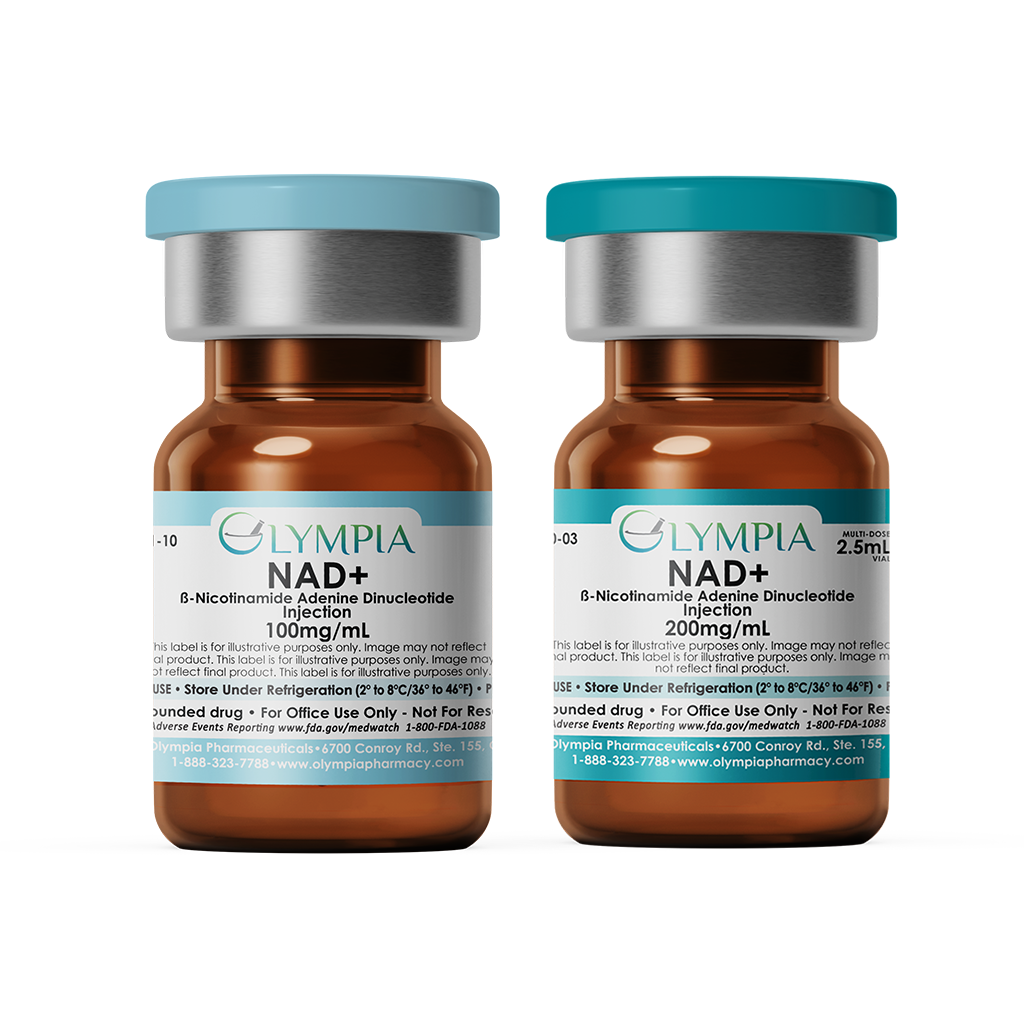
When exploring methods to successfully “biohack” your life, like all other care options, it’s necessary to evaluate what is the source of the problem that needs to be targeted and what is the best and most reliable way to do so. Many commonly used medications can create nutrient deficiencies of various B vitamins, magnesium, and calcium to name a few, that then become the source of unwanted side effects. But what are the nutrients that you need to replenish? Everyone can benefit from some more sleep, but what is the amount that best fits your needs? NAD+ can support regimens built around energy and cognition, but what is the dose that’s right for you? Whether biohacking for you involves medical interventions or lifestyle changes, always be sure to have discussions with your healthcare provider to ensure your well-being by addressing any potential challenges related to current medical conditions, health status, and medications.
Start with the foundation layer before chasing advanced stacks
One of the most useful lessons in biohacking is that the basics still matter. In one post on the Biohackers community, a user explicitly mentions good sleep, decent nutrition, and regular strength training are the real bedrock, even after more unusual hormone-related experiments got attention. That mindset is worth adhering to. The “shortcuts” of biohacking grab the most attention, but the foundational work (lifestyle/diet changes, exercise, etc.) are what will set you up for further success.
For most people, a strong starting point focuses on addressing the following:
- Sleep quality
- Hydration
- Movement/activity
- Protein and fiber intake
- Stress load
From there, nutrient questions and more advanced wellness questions make more sense. Biohacking becomes much more practical when it moves from “What’s trendy?” to “What’s relevant for me?”
Where Vitamin D fits into biohacking
Vitamin D is one of the clearest examples of biohacking done thoughtfully because it’s measurable. NIH notes that vitamin D helps the body absorb calcium and also supports muscle movement and nerve signaling. Additionally, vitamin D status is commonly assessed through a blood test measuring 25-hydroxyvitamin D, and that levels of 20 ng/mL or higher are adequate for most people while levels below 12 ng/mL are too low. That makes vitamin D a good example of a wellness conversation that can begin with data instead of guesswork, paving the way for meaningful lab testing.
Vitamin D also helps show that biohacking isn’t always about adding something complicated. Food, sunlight exposure, supplements, and lab awareness all belong in the conversation. In a beginner routine, vitamin D often represents the “bare basics” side of biohacking.
Why Vitamin B12 is part of so many energy conversations
Vitamin B12 comes up constantly in wellness and performance conversations because it plays a real role in how the body functions. NIH says B12 helps keep blood and nerve cells healthy while also aiding in DNA production. It’s found naturally in animal foods and in some fortified foods, which is one reason dietary pattern matters when B12 is involved.
At the same time, B12 is a good example of why biohacking should stay grounded. NIH also notes that B12 does not provide energy or endurance benefits in people who already get enough B12 from their diet. That is a helpful reality check. A smart biohacking mindset is not “more is always better.” It’s “know what problem you are actually trying to solve.”
Why NAD+ is so popular in biohacking
Once people move beyond the basics, NAD+ usually enters the conversation. A recent Nature review describes NAD+ as an essential redox coenzyme and notes that NAD+ and NADH ratios are important for energy generation, metabolic homeostasis, mitochondrial function, and DNA repair. That’s a big reason NAD+ has become such a major talking point in longevity and performance spaces.
Where Sermorelin fits in a more advanced biohacking routine
Sermorelin belongs on the more advanced end of the biohacking spectrum. NCBI identifies Sermorelin as the biologically active fragment of human growth hormone-releasing factor, GHRH(1-29)-amide. Because of that, it sits in a different category than basic nutrient support like Vitamin D or B12.
Sermorelin is often recommended for regimens designed around body composition, athletic performance, muscle growth, skin elasticity, and sleep quality. At that, it’s also recommended for more advanced regimens – ones where thorough conversations have been held with medical providers about how it may fit in your routine.
What to know about peptides like BPC-157
Peptides have received a lot of attention in biohacking because people are often looking for recovery, performance, and tissue-support conversations that feel more advanced than basic supplements. BPC-157 is among the most popular in those circles, especially when people talk about repair and recovery trends. The interest is real, but so is the need for caution.
At the time of writing, FDA lists BPC-157 in Category 2 for certain compounding contexts and says compounded drugs containing BPC-157 may involve peptide-related impurities and API characterization complexities, and that the agency lacks sufficient information to know whether the drug would cause harm when administered to humans. Additionally, the rise of “research-grade” peptides from grey markets without verifiable information has only increased risk. That doesn’t mean BPC-157 as a medication is irrelevant to the biohacking conversation, but it does mean it should be approached as a cautionary example of how online interest can outpace the evidence.
The smartest way to approach biohacking
The most useful biohacking framework is usually the least dramatic one. Start with a clear goal, establish a baseline, change one variable at a time, track what actually changes, and keep a healthy distance from hype. That mindset fits both the practical side of biohacking and the current culture of communities like r/Biohackers, where users are reminded to separate evidence from anecdote and to take risk seriously when discussing higher-risk interventions.
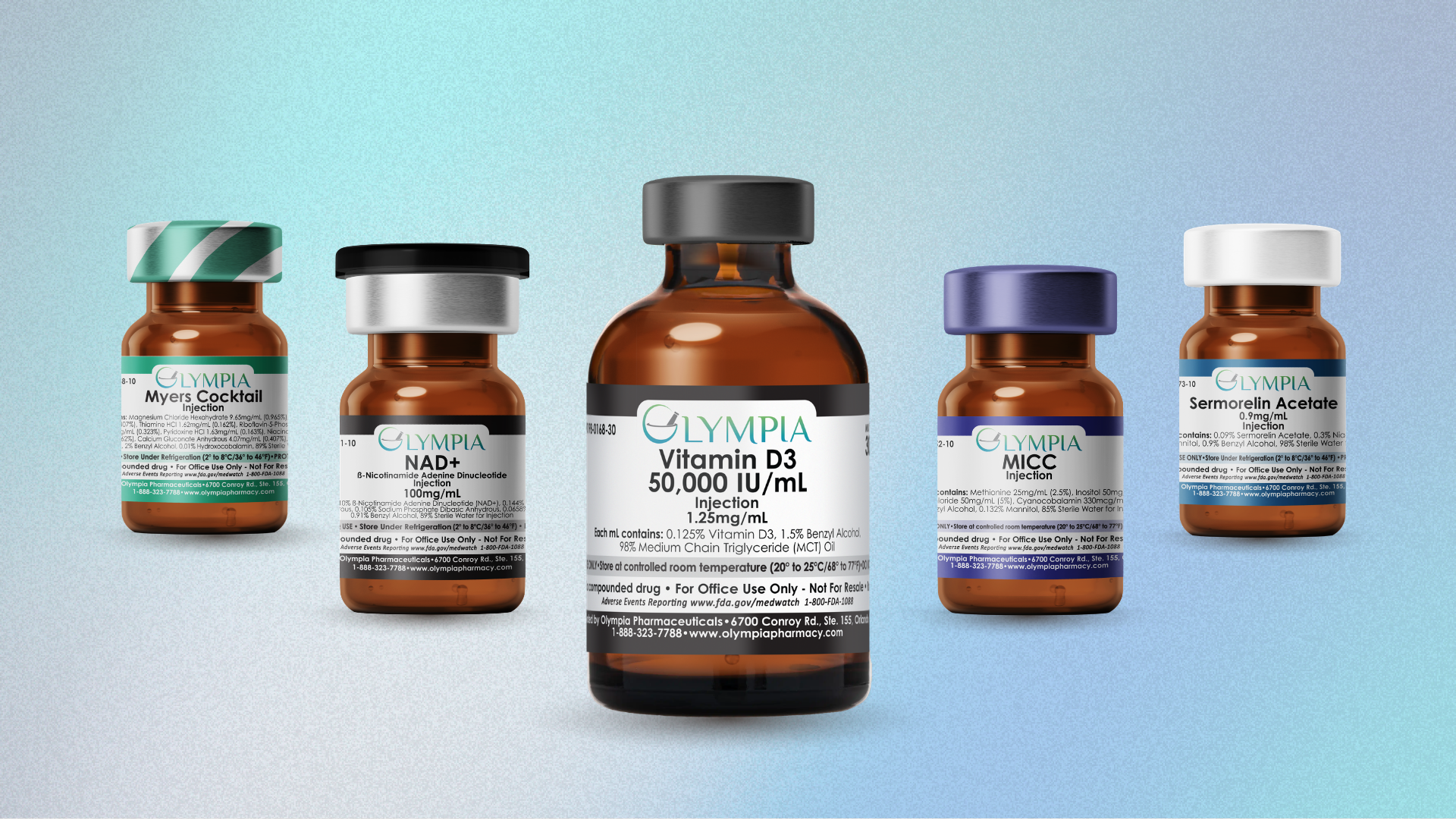
That’s also where the ingredients in this blog start to make more sense. Vitamin D and B12 fit the foundational, measurable side of the conversation. NAD+ often fits in the cellular energy and longevity discussion. Sermorelin belongs in a more advanced category. BPC-157 shows why popularity alone should never be the standard. Biohacking becomes more useful when each of those tools is understood in the right context.
Final takeaway
Biohacking isn’t just a trendy word for people chasing the newest thing. At its core, it’s a way of being more intentional with health, performance, recovery, and daily habits. Sometimes that starts with sleep, hydration, sunlight, movement, and better meals. Sometimes it leads to questions about nutrients like Vitamin D and B12. Other times, it grows into advanced topics like NAD+ and peptides. The important part is understanding where each piece fits, and not confusing community buzz with a defined plan.
When biohacking is done well, it’s less about trying everything and more about learning what actually matters for your goal. That makes the conversation more useful, more realistic, and easier to build around over time.
This content is for educational purposes only and is not a substitute for advice from a licensed medical provider. All compounded formulations are prepared by Olympia Pharmaceuticals under cGMP guidelines and with oversight by national and state pharmacy boards. Always consult with a medical professional before beginning any new regimen or care plan.