
When exploring ways to support testosterone production, an important question is whether a medication supplies testosterone directly or works with the body’s existing hormone signaling pathway.
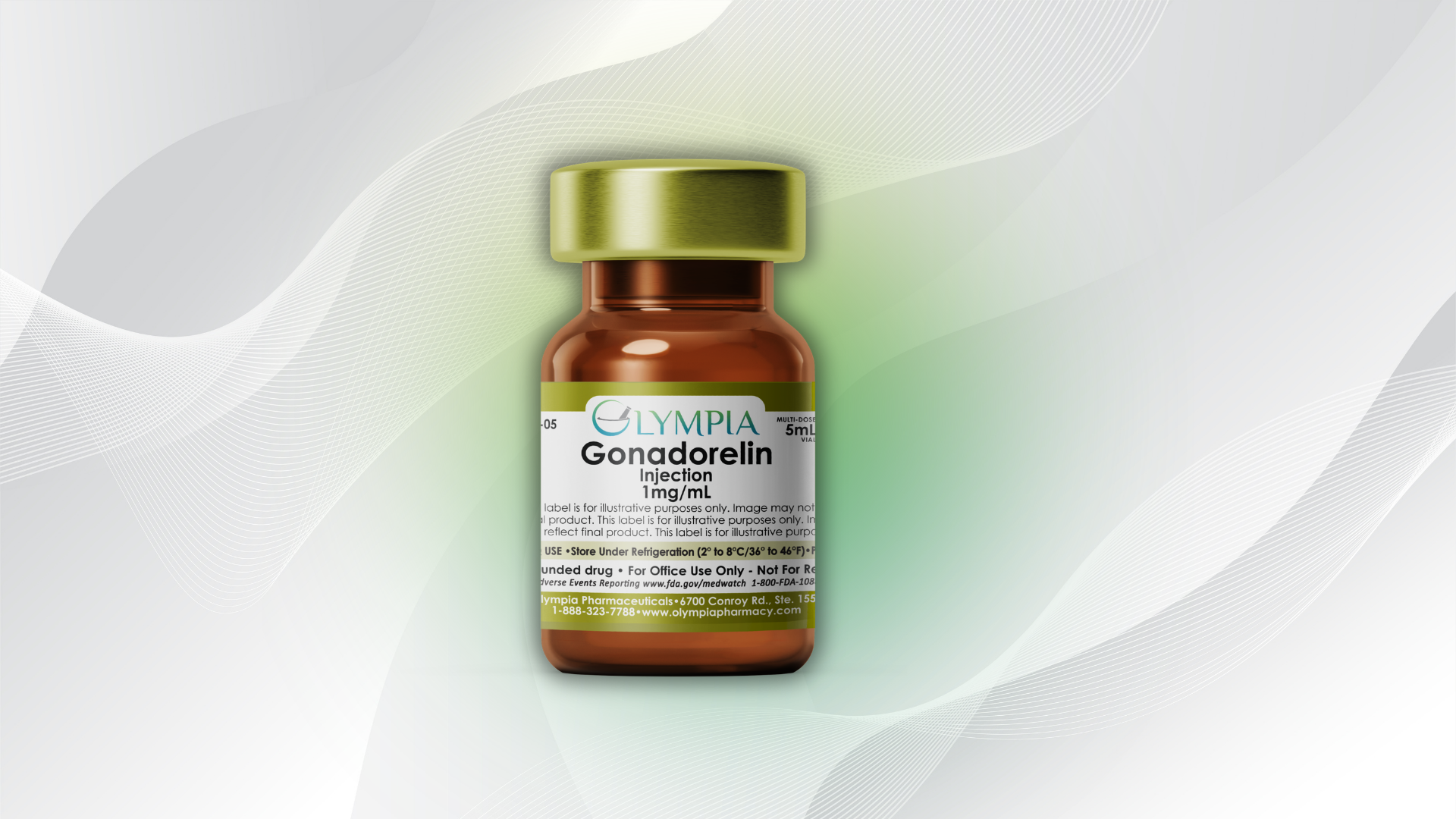
Gonadorelin supports testosterone production by working with the body’s normal hormone-signaling pathway. It is a synthetic form of gonadotropin-releasing hormone (GnRH), the hormone normally released by the hypothalamus. GnRH signals the pituitary gland to release luteinizing hormone (LH) and follicle-stimulating hormone (FSH). LH then communicates with the testes to produce testosterone, while FSH plays an important role in supporting sperm production.
Unlike exogenous testosterone therapy, which supplies testosterone directly and may suppress LH, FSH, and sperm production, gonadorelin is intended to stimulate the body’s own upstream signaling. For appropriately selected men with a functional hypothalamic-pituitary-testicular axis, this may help support endogenous testosterone production while keeping fertility goals in mind. Response varies by the underlying cause of low testosterone, so treatment should be individualized and monitored by a qualified clinician.
Why Fertility Matters
Exogenous testosterone can suppress LH and FSH production. When these signals fall, intratesticular testosterone and sperm production may also decline, sometimes significantly. For that reason, the American Urological Association and American Society for Reproductive Medicine advise that testosterone monotherapy should not be prescribed to men interested in current or future fertility.
Gonadorelin may be considered in selected men because its therapeutic goal is to support, not bypass, the signaling pathway involved in endogenous testosterone and sperm production. However, it is not a universal fertility treatment, and response depends heavily on the cause of low testosterone or infertility.
Fertility Evaluation Still Comes First
Low testosterone and infertility should not be treated based on symptoms alone. A thorough evaluation often includes:
- Morning total testosterone, typically confirmed on more than one occasion
- Free testosterone or SHBG when indicated
- LH and FSH
- Estradiol and prolactin when clinically appropriate
- Semen analysis for men attempting conception
- Review of medications, sleep, weight, alcohol use, anabolic-steroid history, and medical conditions
- Evaluation by a reproductive urologist when semen parameters are abnormal or infertility is suspected
Because sperm production takes approximately 2–3 months, changes in semen parameters are not expected overnight. Fertility care is a process that requires follow-up testing and individualized adjustment.
Who May Be an Appropriate Candidate?
A clinician may consider gonadorelin in men with low testosterone symptoms who:
- Want to preserve or pursue fertility
- Prefer to support endogenous testosterone production when clinically appropriate
- Have evidence of a potentially functional hypothalamic-pituitary-testicular axis
- Have not achieved their reproductive goals and want to avoid testosterone-related suppression of sperm production
It is generally less likely to be effective when the pituitary gland cannot appropriately respond to GnRH, when there is primary testicular failure, or when infertility is caused by obstruction, genetic factors, a significant varicocele, or other non-hormonal causes.
Important Considerations
Gonadorelin is not a one-size-fits-all replacement for testosterone therapy, hCG, clomiphene, or other fertility-directed treatments. Its use in men should be directed by a clinician experienced in male hormone health and fertility.
Regular monitoring may include testosterone, LH, FSH, estradiol, symptom response, and semen parameters when pregnancy is a goal. Men should also be evaluated for underlying contributors to low testosterone, including obesity, sleep apnea, medication effects, pituitary conditions, and testicular disease.
The Bottom Line
For men who want to maintain or build a family, this distinction is especially important. External testosterone can lower the hormonal signals needed for the testes to maintain normal sperm production. In contrast, gonadorelin is designed to work higher in the hormonal pathway by encouraging the pituitary to release LH and FSH. This approach may be a useful conversation starter for men with low-testosterone symptoms who are trying to conceive now or want to preserve fertility options for the future.
Gonadorelin is not the right choice for every cause of low testosterone or male infertility. Its potential benefit depends on whether the brain, pituitary gland, and testes can respond appropriately to hormonal stimulation. A thorough evaluation may include repeat morning testosterone levels, LH, FSH, estradiol, prolactin, and—when fertility is a goal—a semen analysis. Identifying the underlying reason for low testosterone helps the clinician select the most appropriate treatment plan.
It is also important to set realistic expectations. Hormone symptoms and laboratory values may take time to improve, and sperm development takes roughly two to three months. Follow-up laboratory testing, symptom review, and semen monitoring when appropriate allow treatment to be adjusted safely and thoughtfully. Gonadorelin should be prescribed and monitored by a qualified healthcare professional as part of an individualized hormone and fertility plan.