
Gonadorelin for men works with the body’s natural hormone signaling system.
Gonadorelin is a synthetic form of gonadotropin-releasing hormone, also called GnRH. It signals the pituitary gland to release two important hormones called luteinizing hormone, or LH, and follicle-stimulating hormone, or FSH.
These hormones are involved in the body’s natural production of testosterone, sperm production and reproductive hormones.
Gonadorelin is not testosterone. Instead, it acts as a messenger that tells the body to release hormones involved in testosterone production.
What Is Gonadorelin?
Gonadorelin is a synthetic version of a hormone naturally made by the body.
Its main job is to send a signal to the pituitary gland. The pituitary gland responds by releasing LH and FSH.
In men, LH signals cells in the testes that are involved in testosterone production. FSH is involved in sperm development and other parts of reproductive function.
A simple way to understand the process is:
- Gonadorelin signals the pituitary gland.
- The pituitary gland releases LH and FSH.
- LH and FSH send signals to the testes.
- These signals are involved in testosterone production and reproductive function.
How Does Gonadorelin for Men Work?
Gonadorelin works near the beginning of the body’s hormone pathway.
It does not provide testosterone directly. Instead, it encourages the pituitary gland to release the hormones that are involved in the body’s own testosterone-production process.
This is why gonadorelin and testosterone are connected, but they are not the same thing.
A person’s response can depend on several factors, including why hormone levels are low and how well the pituitary gland and testes respond to the signal. A medical provider may use health history, symptoms, and laboratory results to decide whether gonadorelin fits a patient’s care plan.
What Are the Potential Gonadorelin Benefits for Men?
The potential gonadorelin benefits for men are connected to its role in natural hormone signaling.
Gonadorelin may support:
- The release of LH and FSH
- The body’s natural testosterone-production pathway
- Reproductive hormone signaling
These are potential roles, not guaranteed results. Gonadorelin should not be viewed as a guaranteed way to raise testosterone, improve fertility, increase energy, build muscle, or change sexual function.
Gonadorelin vs. Testosterone: What Is the Difference?
Gonadorelin and testosterone replacement therapy, or TRT, work at different points in the body’s hormone pathway.
Gonadorelin sends a signal. It tells the pituitary gland to release LH and FSH. LH is involved in the body’s testosterone-production process, while FSH is involved in sperm development.
TRT supplies testosterone directly. It raises testosterone levels without first signaling the pituitary gland to release LH and FSH.
In simple terms:
Gonadorelin works near the beginning of the pathway. TRT provides testosterone farther along in the pathway.
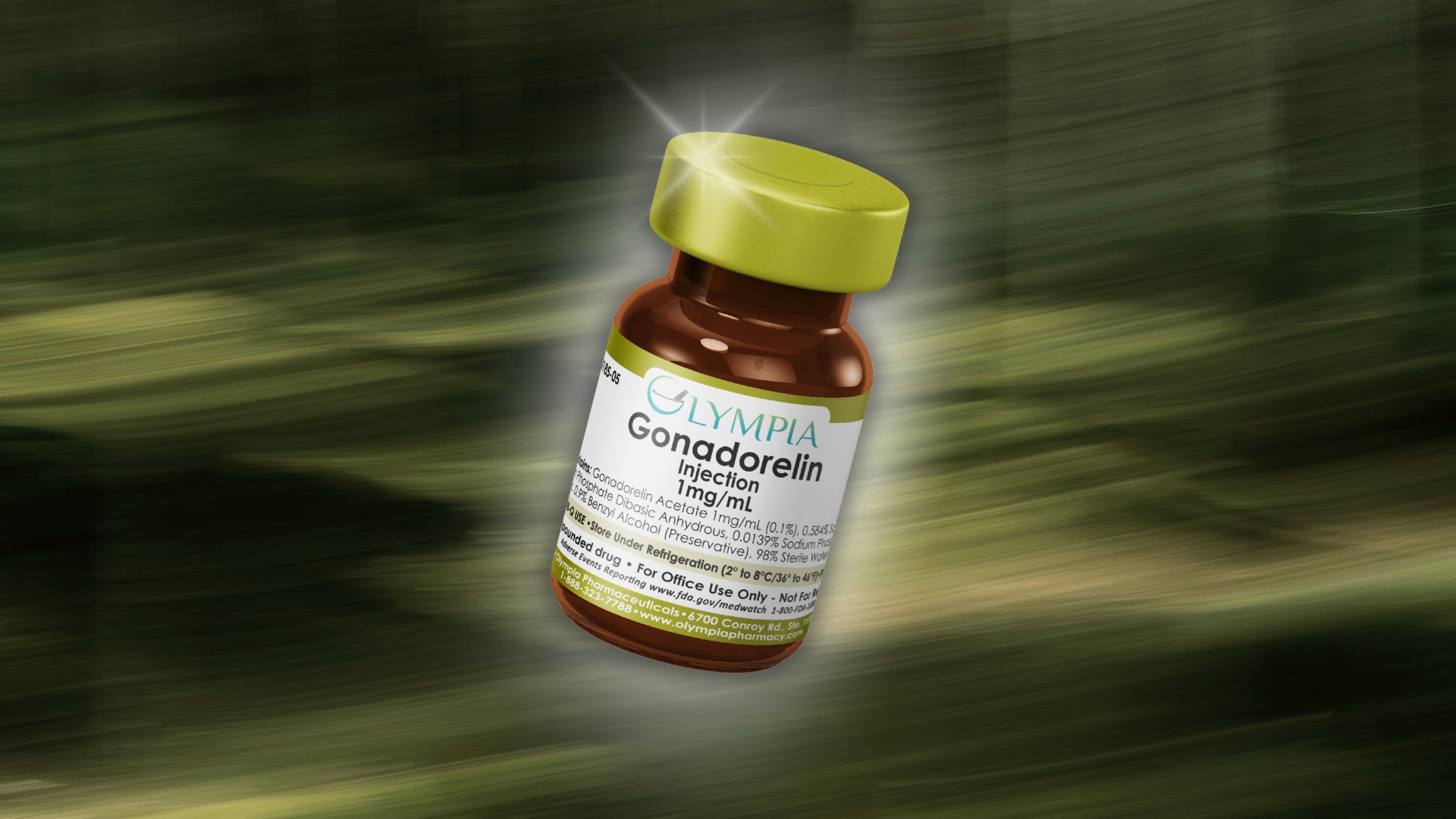
Our Gonadorelin Injection information describes gonadorelin as synthetic GnRH that stimulates LH and FSH release, supporting the body’s natural production of testosterone and reproductive hormones.
Why the Difference Matters
The body’s hormone system works a little like a thermostat. The brain and pituitary monitor hormone levels and adjust the signals sent to the testes.
Gonadorelin works within this pathway by prompting the pituitary gland to release LH and FSH instead of supplying testosterone directly. The body’s response can still vary based on why gonadorelin was prescribed, how well the pituitary gland and testes respond, and the prescribed dosing schedule.
With TRT, testosterone comes from outside the body. As testosterone levels rise, the hypothalamus and pituitary can reduce the release of GnRH, LH, and FSH. When these signals decrease, the testes may produce less of their own testosterone and fewer sperm.
Over time, this suppression may contribute to:
- Reduced testosterone production inside the testes
- Decreased sperm production
- A decrease in testicular size in some men
- Fertility concerns while receiving TRT
Exogenous testosterone can suppress the testosterone levels needed inside the testes for normal sperm production. It may also contribute to infertility and reduced testicular size in some men.
Gonadorelin works differently because it stimulates an earlier part of the hormone pathway rather than supplying testosterone directly. However, this does not mean gonadorelin is appropriate for every man or that it guarantees fertility protection.
Men who have current or future fertility goals should discuss them with their medical provider before beginning TRT, gonadorelin, or another form of hormone care.
Gonadorelin and Male Reproductive Health
LH and FSH are both involved in male reproductive function.
LH is connected to testosterone production. FSH is involved in sperm development. This is why gonadorelin may come up during conversations about male reproductive hormones.
However, gonadorelin is not a general fertility solution.
Research involving gonadorelin and male fertility has mainly focused on men with specific hormone-signaling conditions, such as congenital hypogonadotropic hypogonadism. Those findings do not apply to every man with a fertility concern.
Men who have current or future fertility goals should tell their medical provider before starting any type of hormone care.
Gonadorelin Injection Information
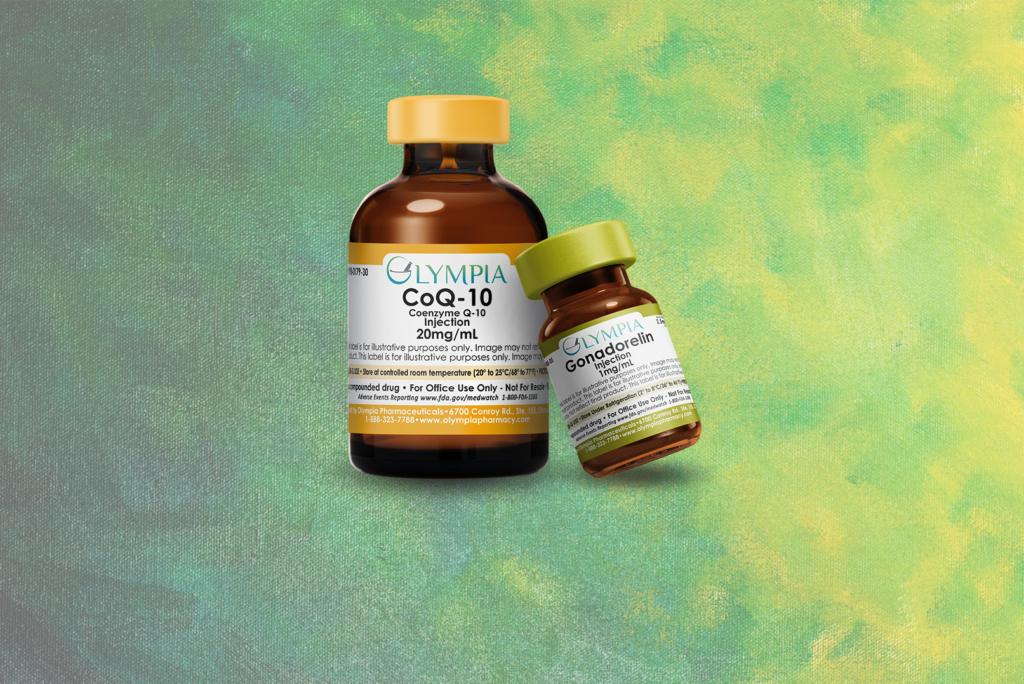
Our Gonadorelin Injection is as follows:
- Concentration: 1 mg/mL
- Vial volume: 5 mL
- Administration: Subcutaneous or intramuscular injection
- Storage: Keep refrigerated and protect from light
A subcutaneous injection is given under the skin. An intramuscular injection is given into a muscle.
Do not calculate a dose based only on the product concentration. Follow the prescription label and instructions from the medical provider overseeing your care.
This information is for educational purposes only and is not intended to substitute for or replace information from a medical provider. Compounded products are not evaluated by the FDA for safety, efficacy, or quality. Consult your medical provider before beginning any new form of care. Rx only.