
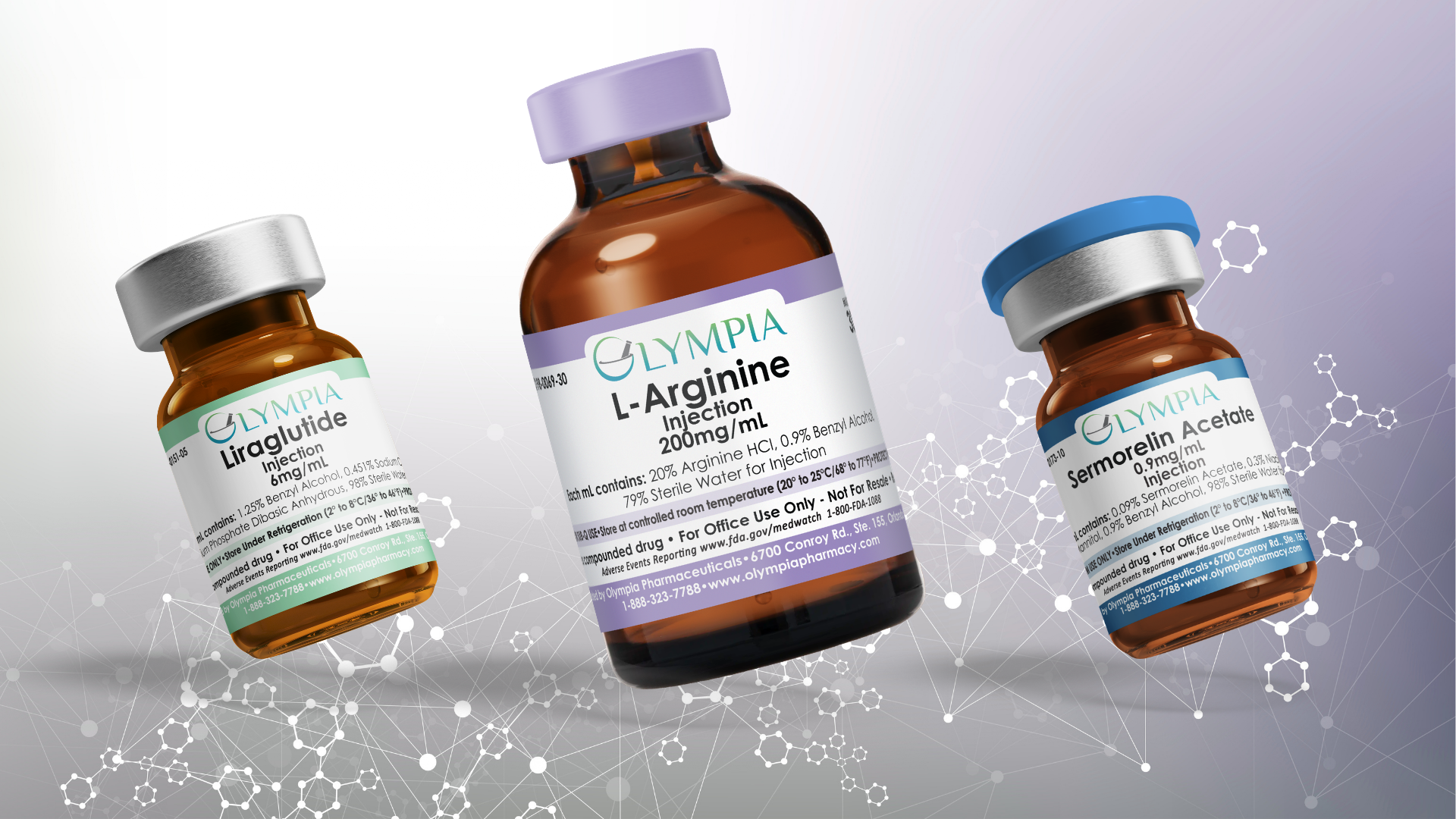
If you’ve started a GLP-1 medication for weight loss, you’ve probably noticed that the scale is moving in the right direction. That’s great news! But there’s a catch that doesn’t get enough attention: when you lose weight quickly, your body doesn’t just burn fat. It also burns muscle.
Losing muscle can slow down your metabolism, make you feel weaker, and change how your clothes fit in ways the scale doesn’t show. This is where amino acids come in. Your body uses amino acids, the building blocks of protein, to keep your muscles strong and repair tissue. Getting enough of them is one of the most important steps you can take to make sure your weight loss is mostly fat, not muscle.
How GLP-1 Medications Affect Muscle Mass
GLP-1 receptor agonists, like semaglutide, tirzepatide and liraglutide, are designed to mimic a hormone that your intestines produce after you eat. They work by slowing down how fast your stomach empties and by talking to the appetite centers in your brain. This can lead to a significant drop in the number of calories you eat every day.
When you cut calories that much, your body has to find energy from elsewhere. It will burn stored fat – which is the goal – but it will also break down lean muscle tissue to get the amino acids needed to keep your organs working. Studies show that a large portion of the weight lost on these medications can be lean mass if protein intake and physical activity are not carefully managed.
This is why the standard advice of “just eat less” doesn’t work for people on GLP-1 medications. You cannot just eat less. You have to eat the right things, in the right amounts, to tell your body to keep the muscle and burn the fat.
The Role of Amino Acids in Muscle Preservation
When you’re in a caloric deficit – a state in which you’re eating less calories than you burn – your body enters a state where it’s breaking down more tissue than it’s building. This is called a catabolic state.
The goal is to stay in an anabolic state, where you are building or maintaining tissue. Amino acids are the primary signal that tells your body to do this. When you consume protein, it breaks down into individual amino acids. These amino acids travel through your blood and signal your muscle cells to start making new proteins.
One amino acid in particular, leucine, is the main trigger for this process. If you do not have enough leucine in your system, your body cannot effectively build muscle, even if you’re eating other proteins. This is why the type of protein you eat matters just as much as the amount.
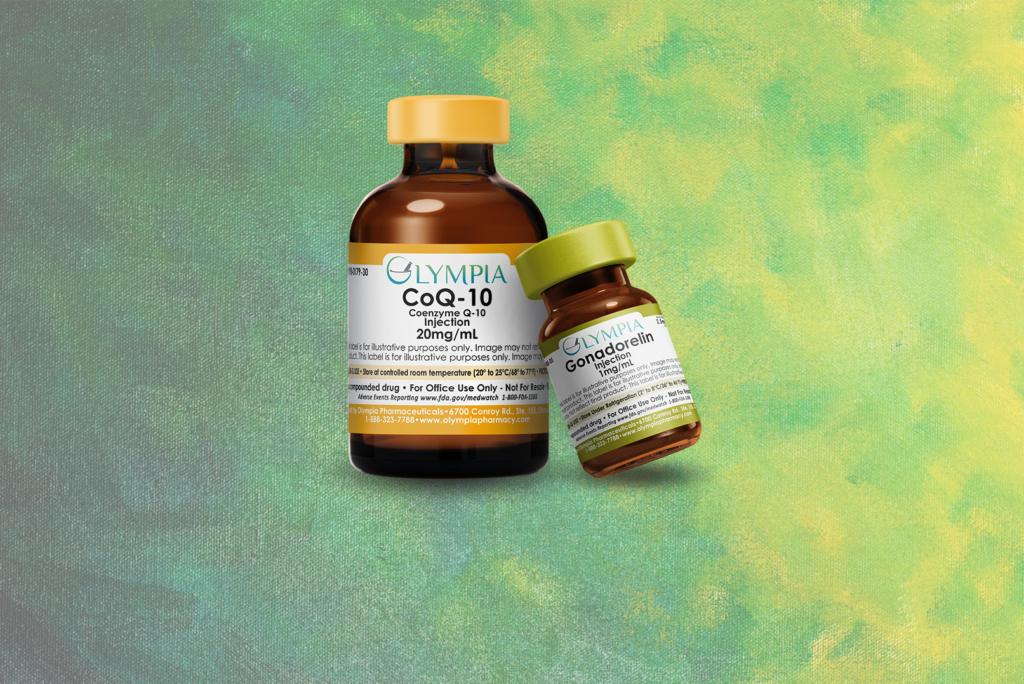
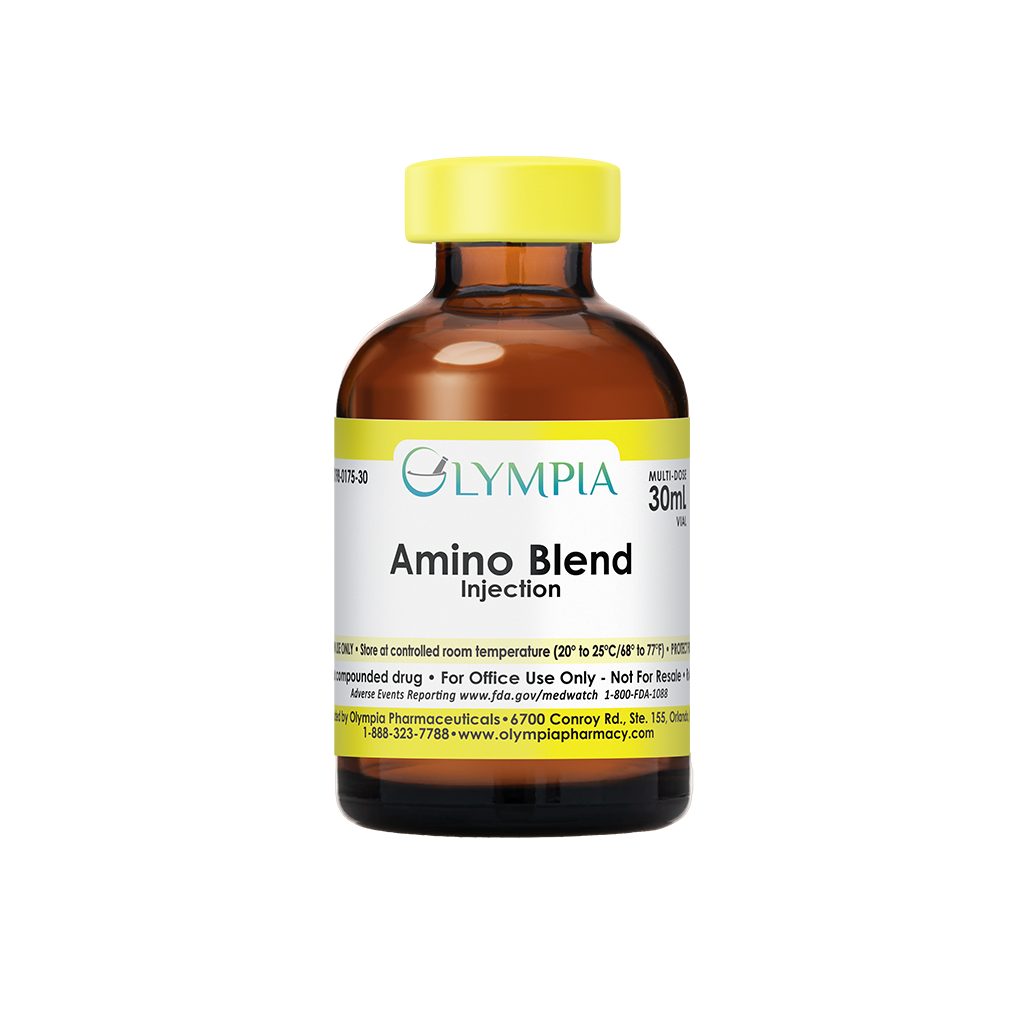
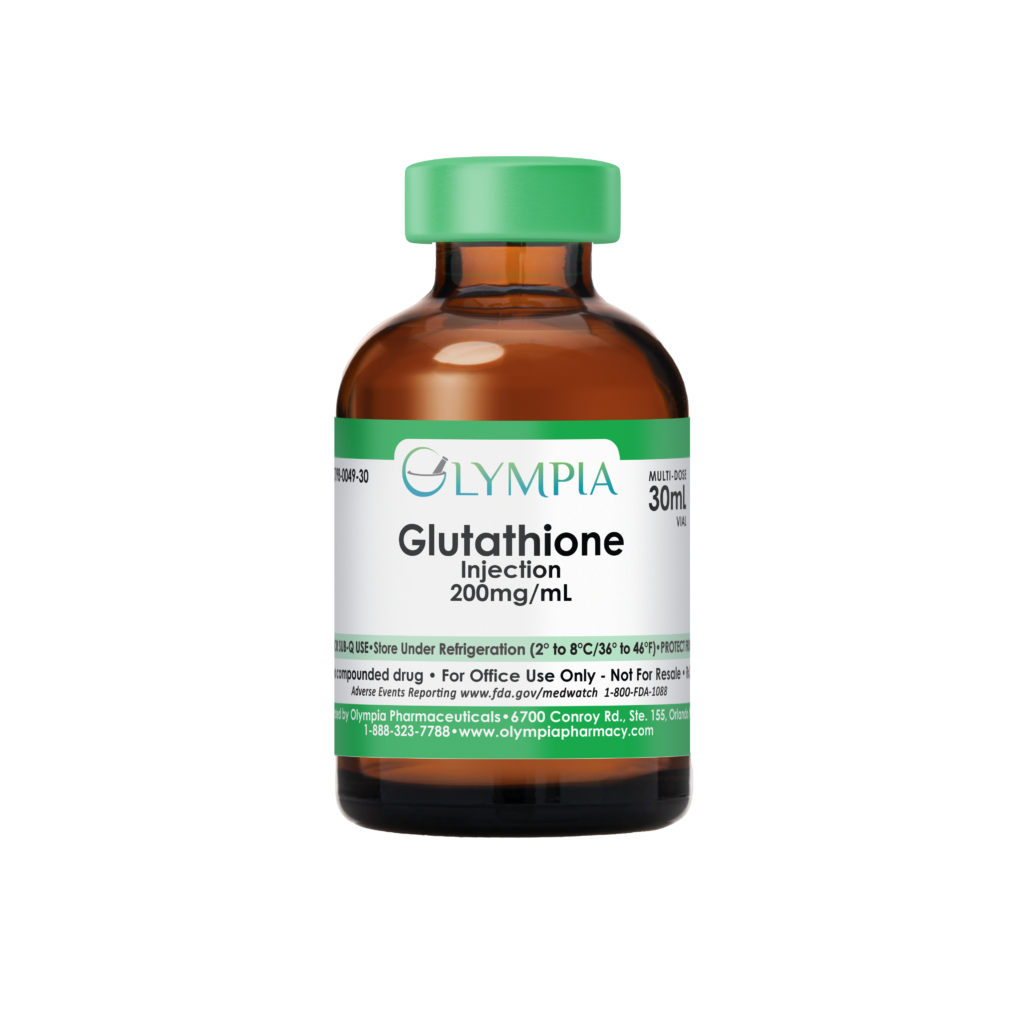
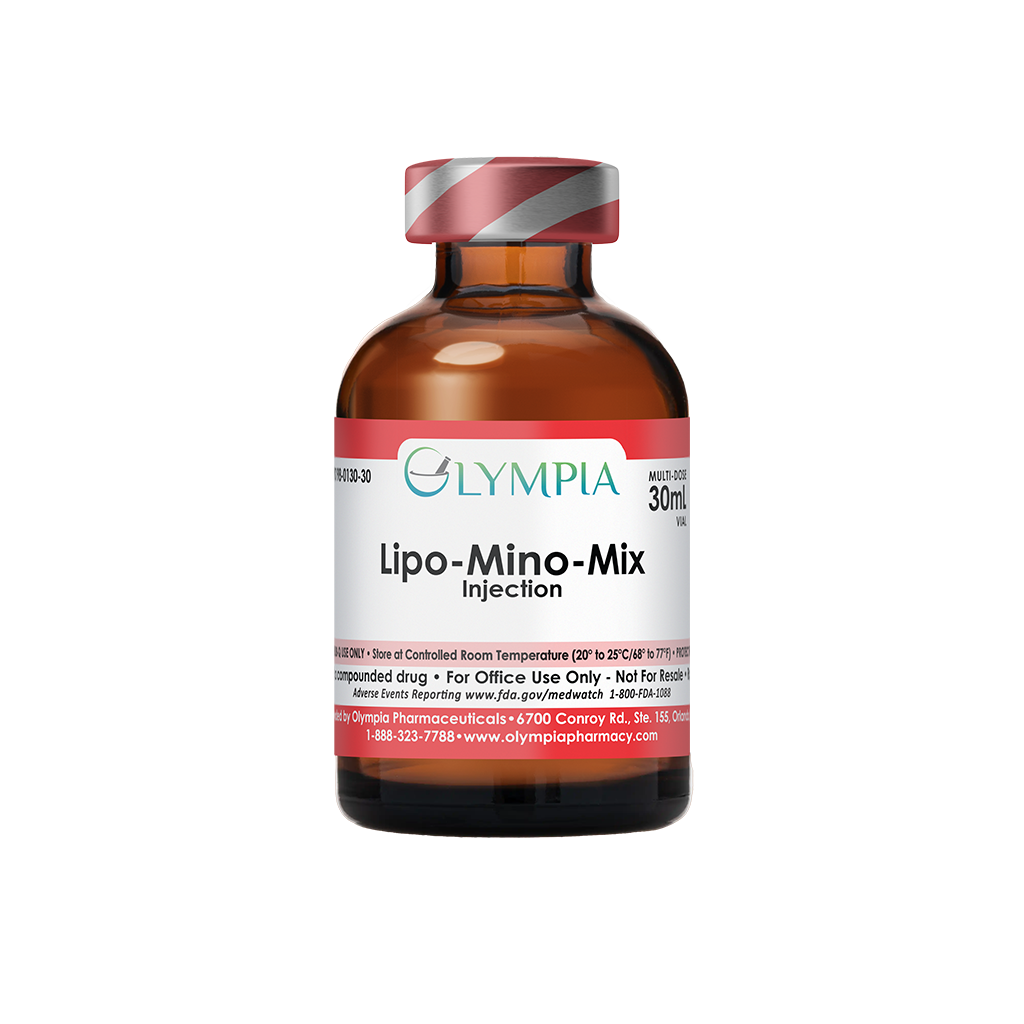
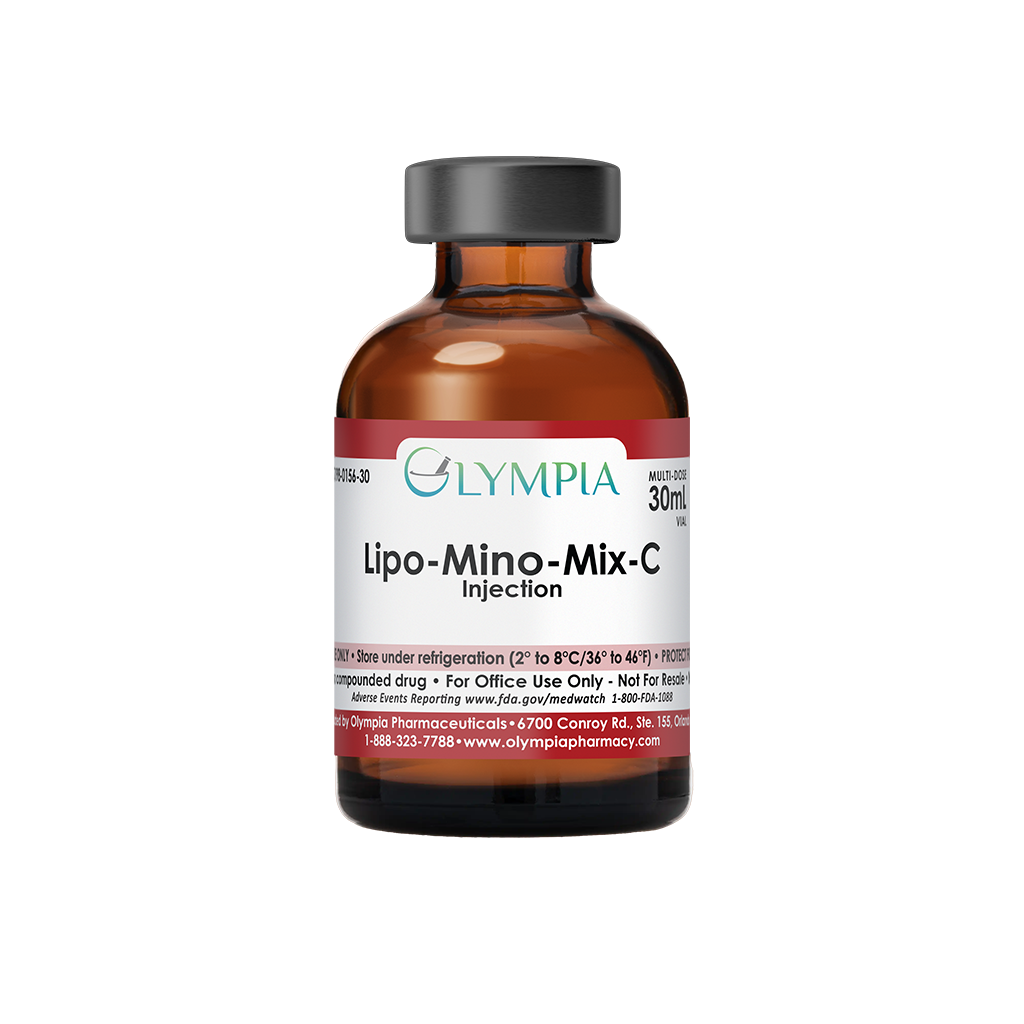
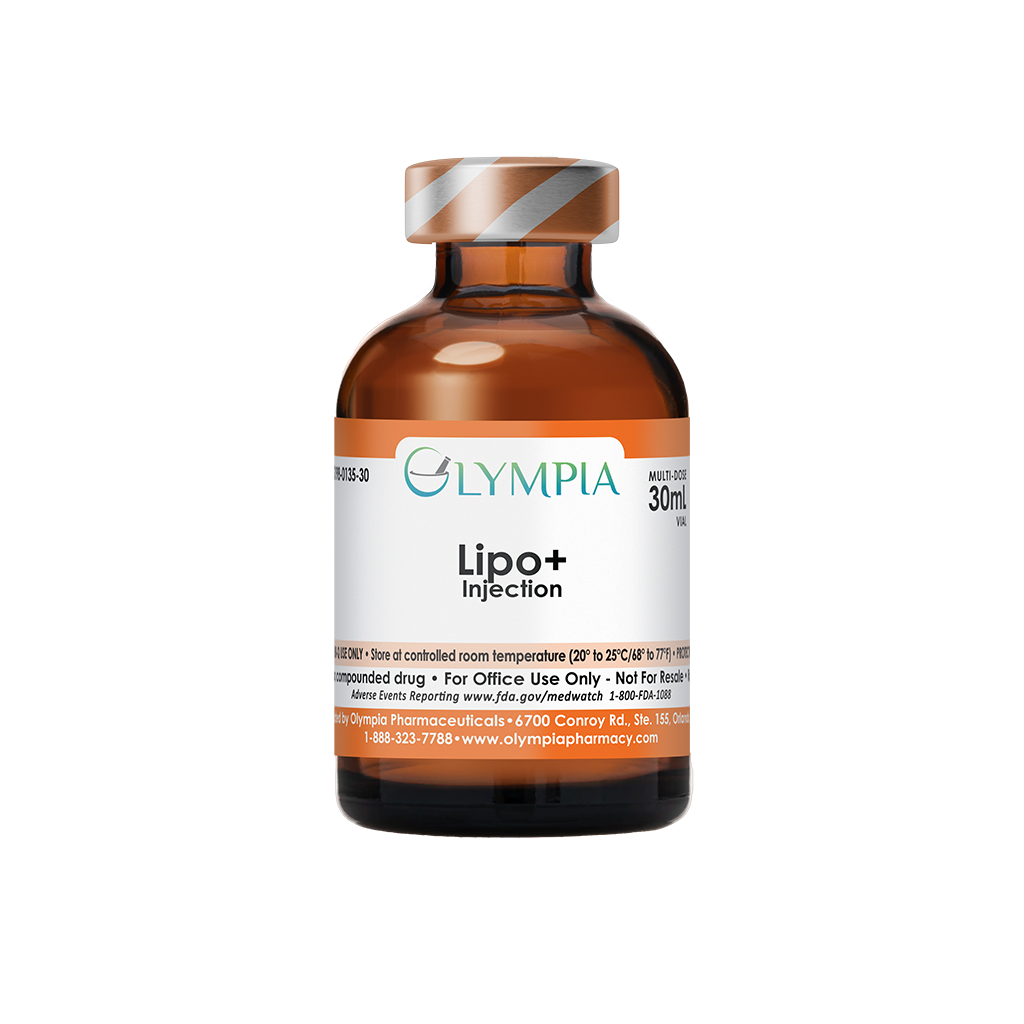
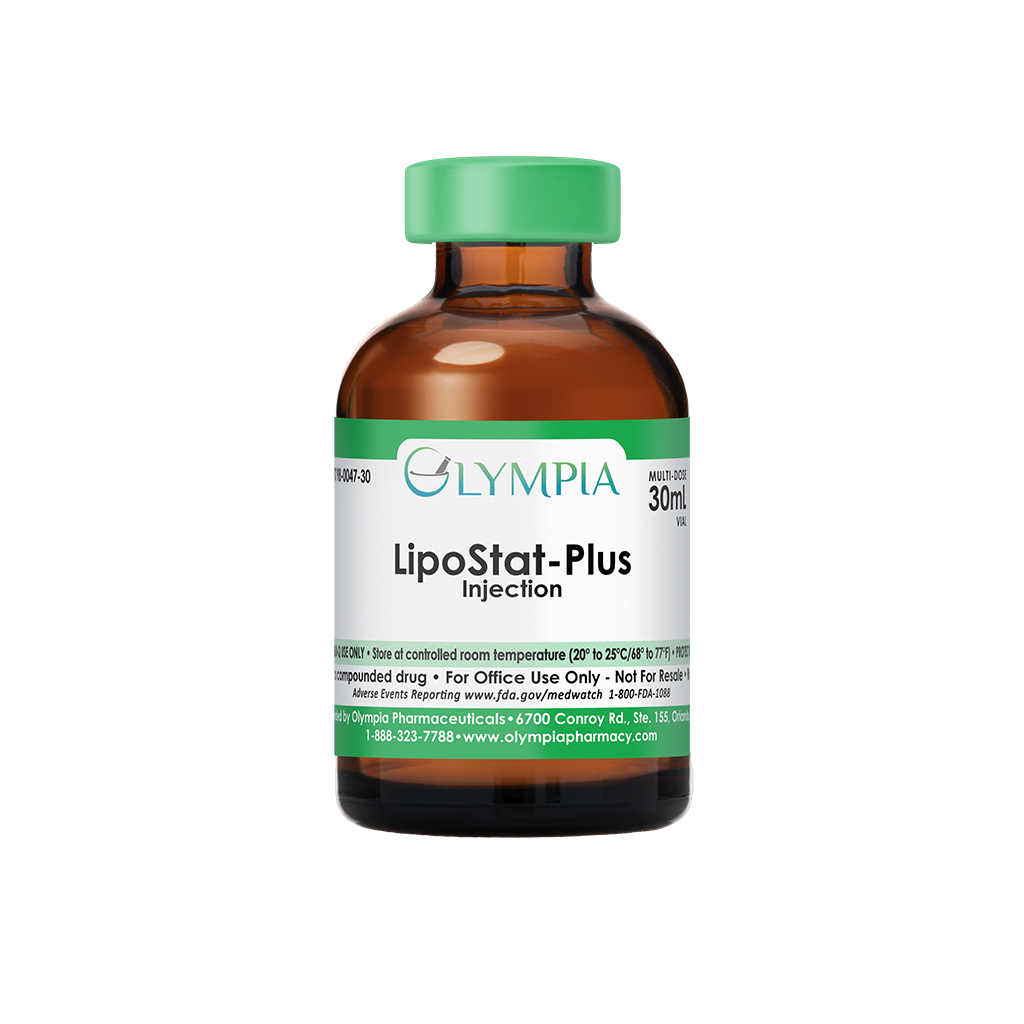
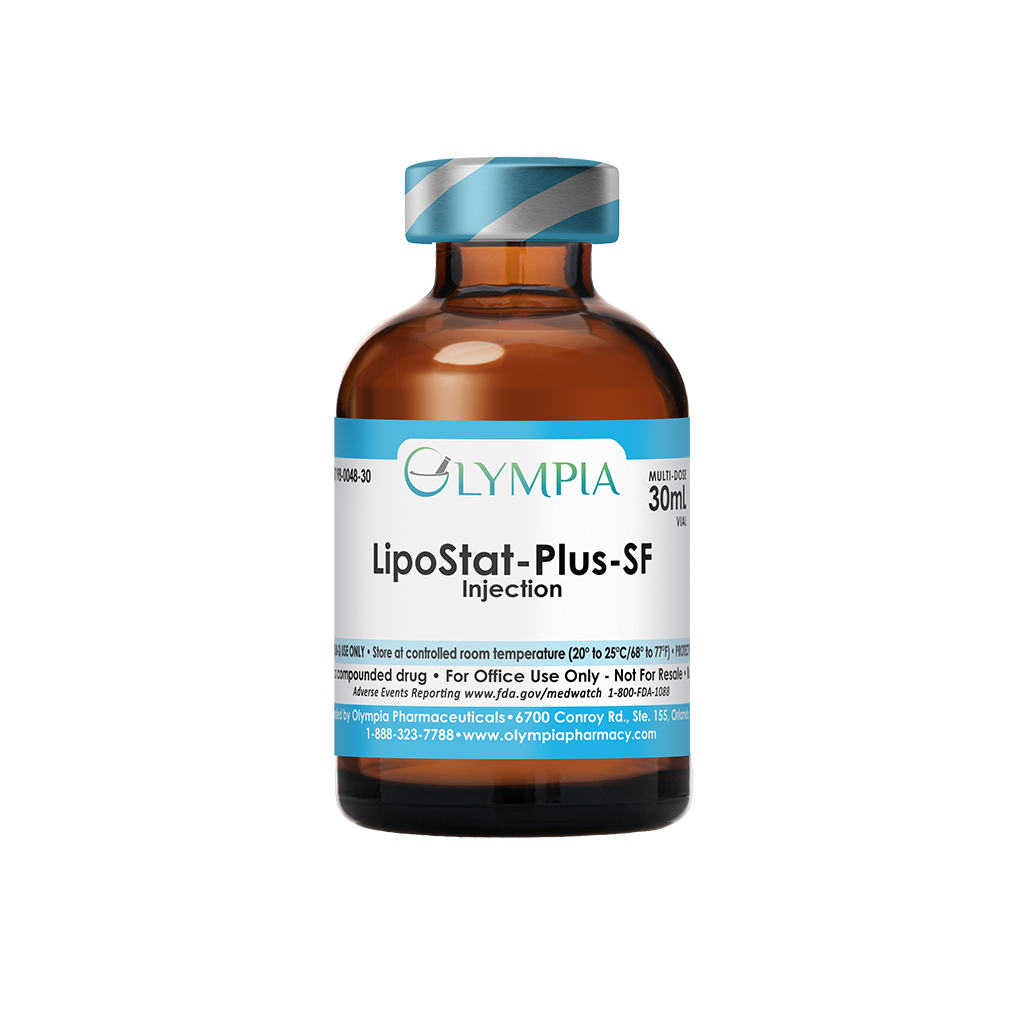
At Olympia, we see many patients who are struggling to keep their strength while they lose weight. Often, it isn’t because they’re not trying hard enough, but because they aren’t getting enough high-quality amino acids to support their muscle mass. We often recommend looking at compounded options, such as our lipotropic injections, to help support patient metabolism during this transition.
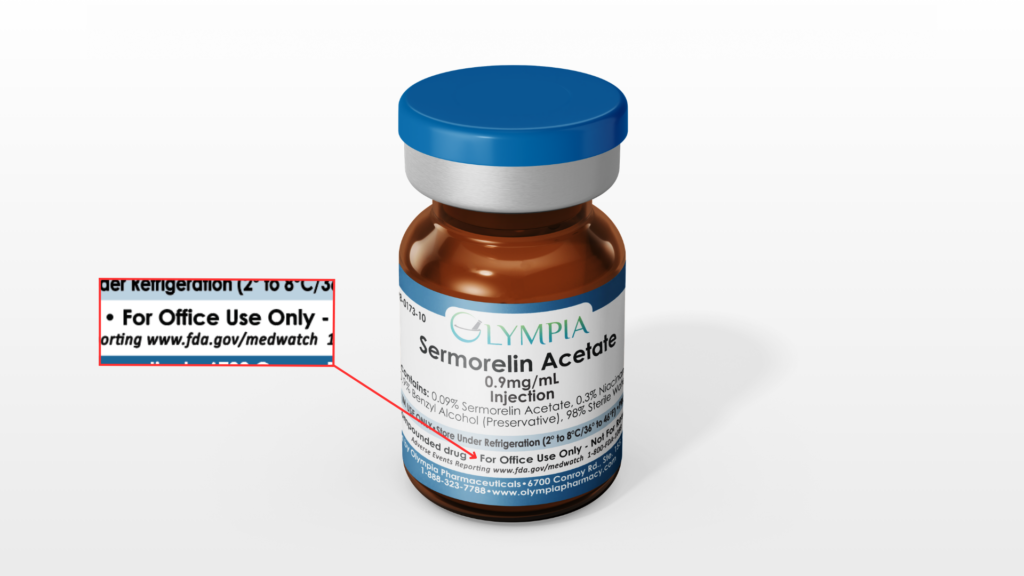
How Olympia Sermorelin Supports Muscle Preservation
Amino acids aren’t the only piece of this puzzle. Your body’s own growth hormone production also plays a role in keeping lean tissue intact while you lose weight. Growth hormone is released from the pituitary gland in response to a signal called growth hormone-releasing hormone, or GHRH. As we age, this natural GHRH signaling tends to decline, which can make it even harder to protect muscle while you are also cutting calories on a GLP-1 medication.
Sermorelin is a compounded peptide designed to support the pituitary gland’s own process of releasing growth hormone, rather than introducing growth hormone directly. Because growth hormone plays a role in maintaining lean muscle mass, bone density, and overall physical function, supporting this natural pathway is often considered alongside the amino acid strategies above.
Many patients pair sermorelin with their amino acid and lipotropic support to address muscle preservation from a few different angles while on a GLP-1 medication. As with any compounded peptide therapy, sermorelin should only be used under the guidance of a prescribing provider, and patients with a history of thyroid conditions should discuss this with their provider before starting.
Which Amino Acids Trigger Natural GLP-1 Release?
Your gut is full of cells that act like sensors. They taste what you’re eating and decide what to do with it. When certain amino acids hit these sensors, the cells release GLP-1. This is a natural feedback loop that has been part of human biology for thousands of years.
The amino acids that are best at triggering this release are the branched-chain amino acids, or BCAAs. These include leucine, isoleucine, and valine. They’re found in high concentrations in protein-rich foods like meat, eggs, dairy, and soy. When these amino acids reach your intestines, they bind to specific receptors on the L-cells. These L-cells then secrete GLP-1 into your bloodstream.
This natural release of GLP-1 works alongside the medication you might be taking. It’s not a replacement for the drug, but it does serve as a complementary signal. It helps reinforce the feeling of fullness and aids in regulating your blood sugar. Other amino acids, like arginine and lysine, also play a role in gut health and hormone regulation.
How Olympia Lipotropics Support Your Metabolism
While amino acids help build muscle and signal your gut, your liver has a different job during weight loss. It has to process fat and move it out of your system. When you’re losing weight rapidly, your liver can get overwhelmed. This is where lipotropics come in.
Lipotropics are a group of compounds that help your liver break down fat and support the movement of lipids out of the liver. They work by supporting the enzymes that move fat out of the liver and into your muscles, where it can be used for energy. This is important because a healthy liver is better at managing your overall metabolism.
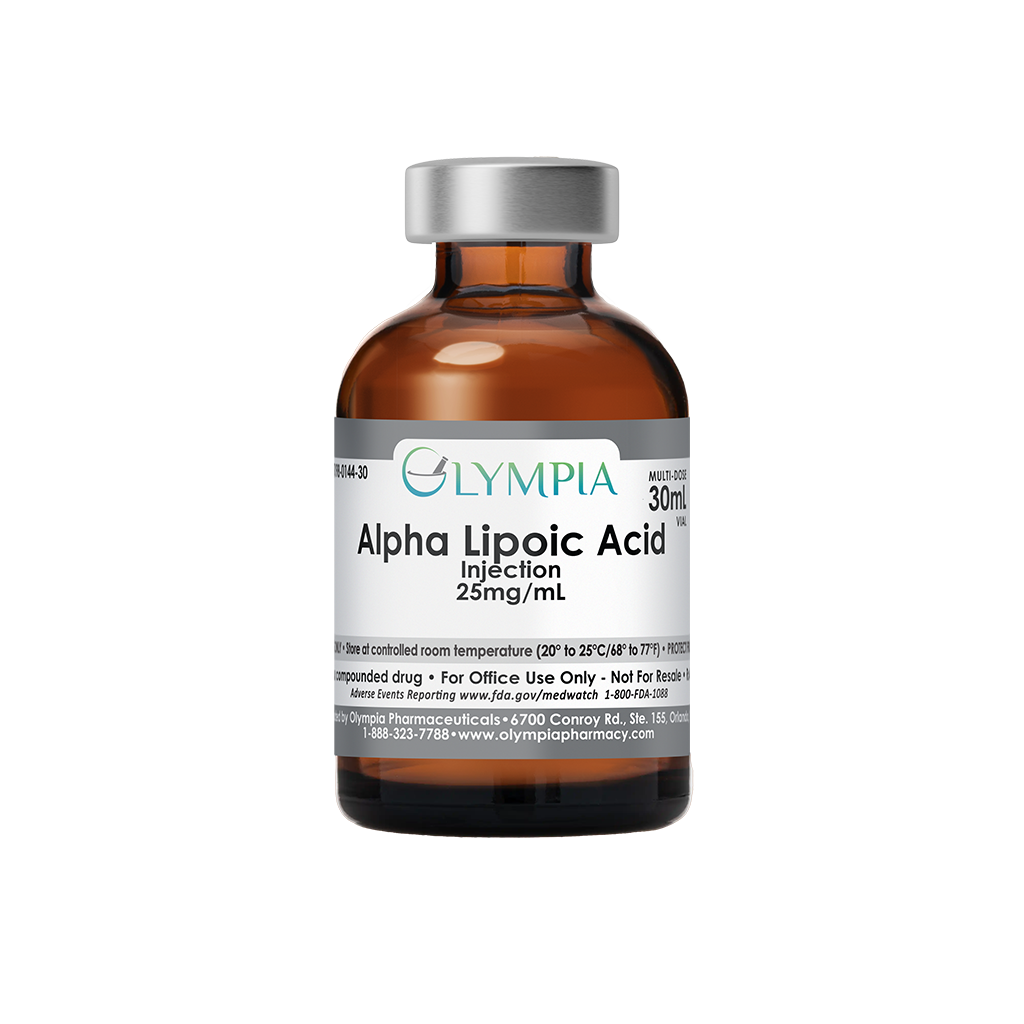
Olympia offers compounded lipotropic injections that typically contain a mix of amino acids and vitamins. These are often given as a shot in the muscle or, for some patients, through IV therapy. The goal is to give your body a concentrated dose of the nutrients it needs to keep its metabolism running smoothly while you are on a reduced-calorie diet.
Many of our patients find that adding lipotropics to their routine helps them feel more energetic and keeps their digestion regular. This is especially helpful because GLP-1 medications can sometimes cause nausea or constipation. By supporting your liver and your amino acid levels, you are giving your body the tools it needs to handle the stress of weight loss.
This content is for educational purposes only and is not a substitute for advice from a licensed medical provider. All compounded formulations are prepared by Olympia Pharmaceuticals under cGMP guidelines and with oversight by national and state pharmacy boards. Always consult with a medical professional before beginning any new regimen or care plan.