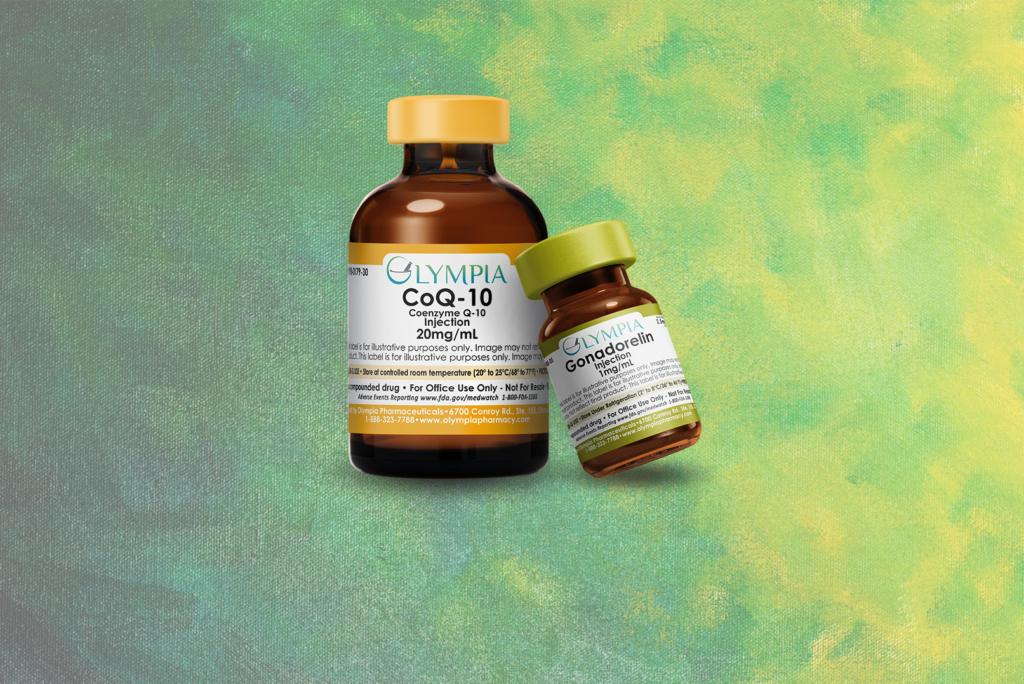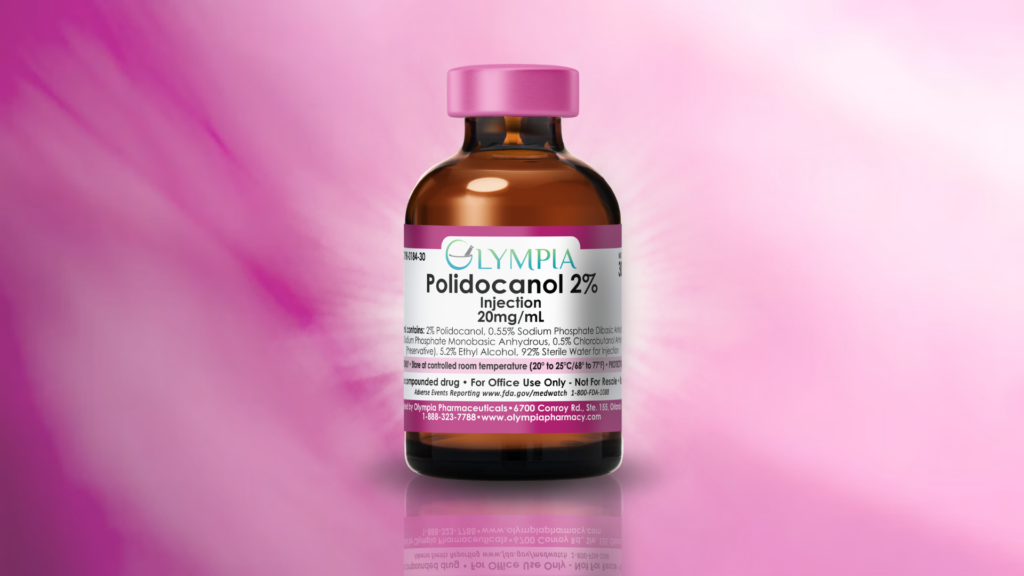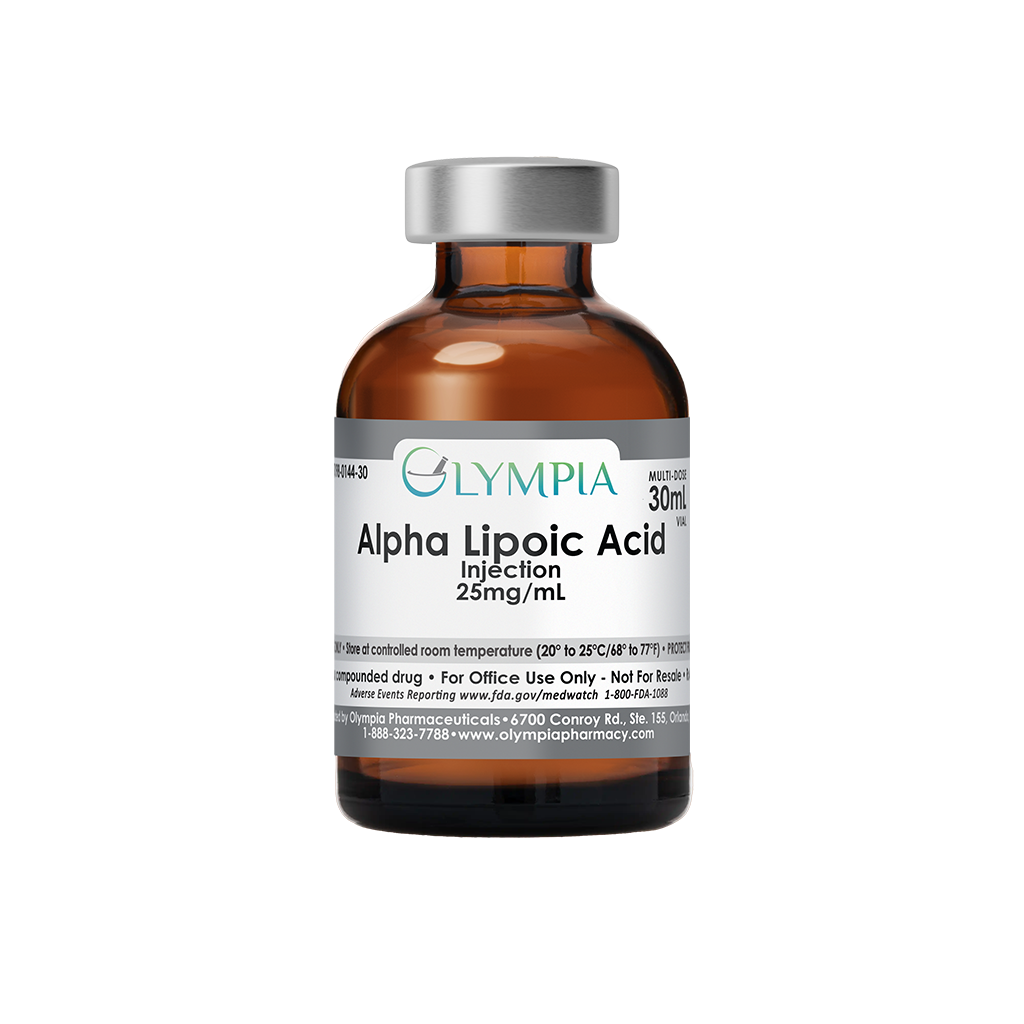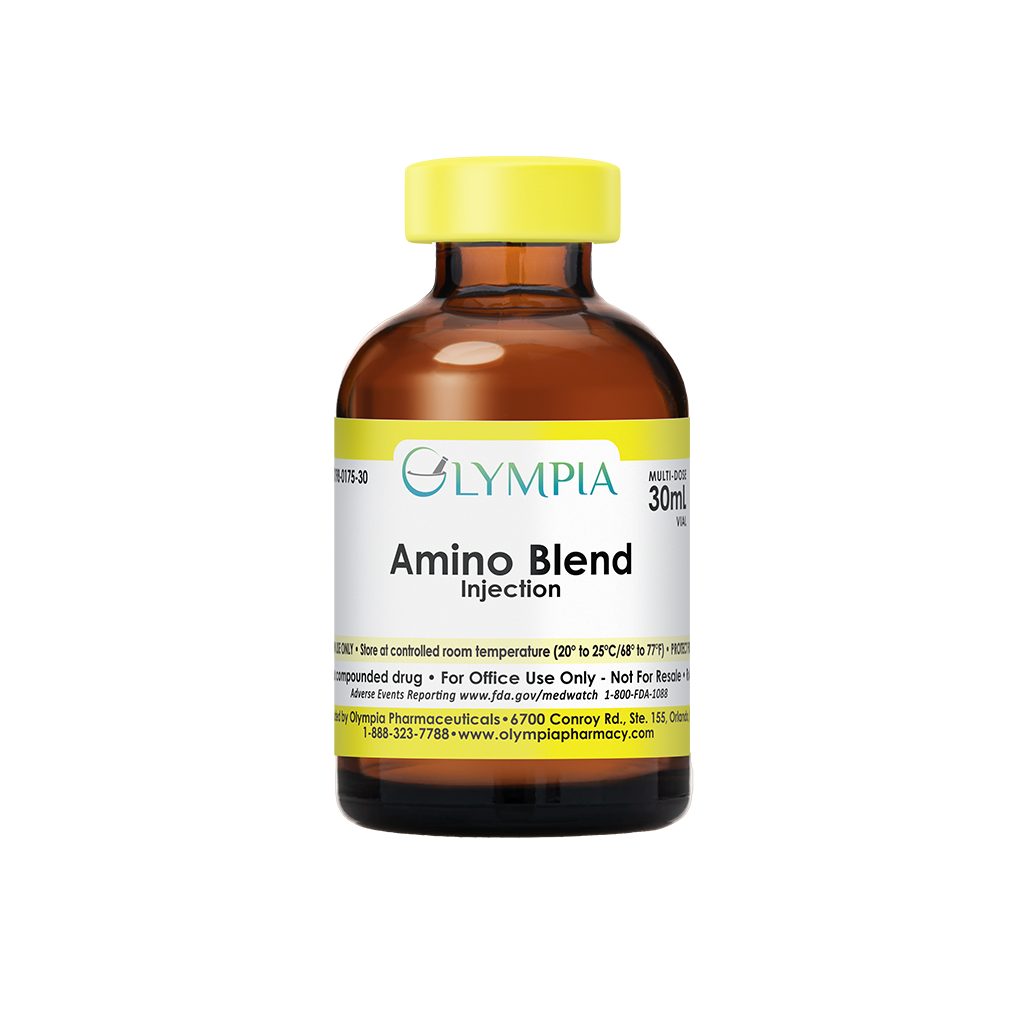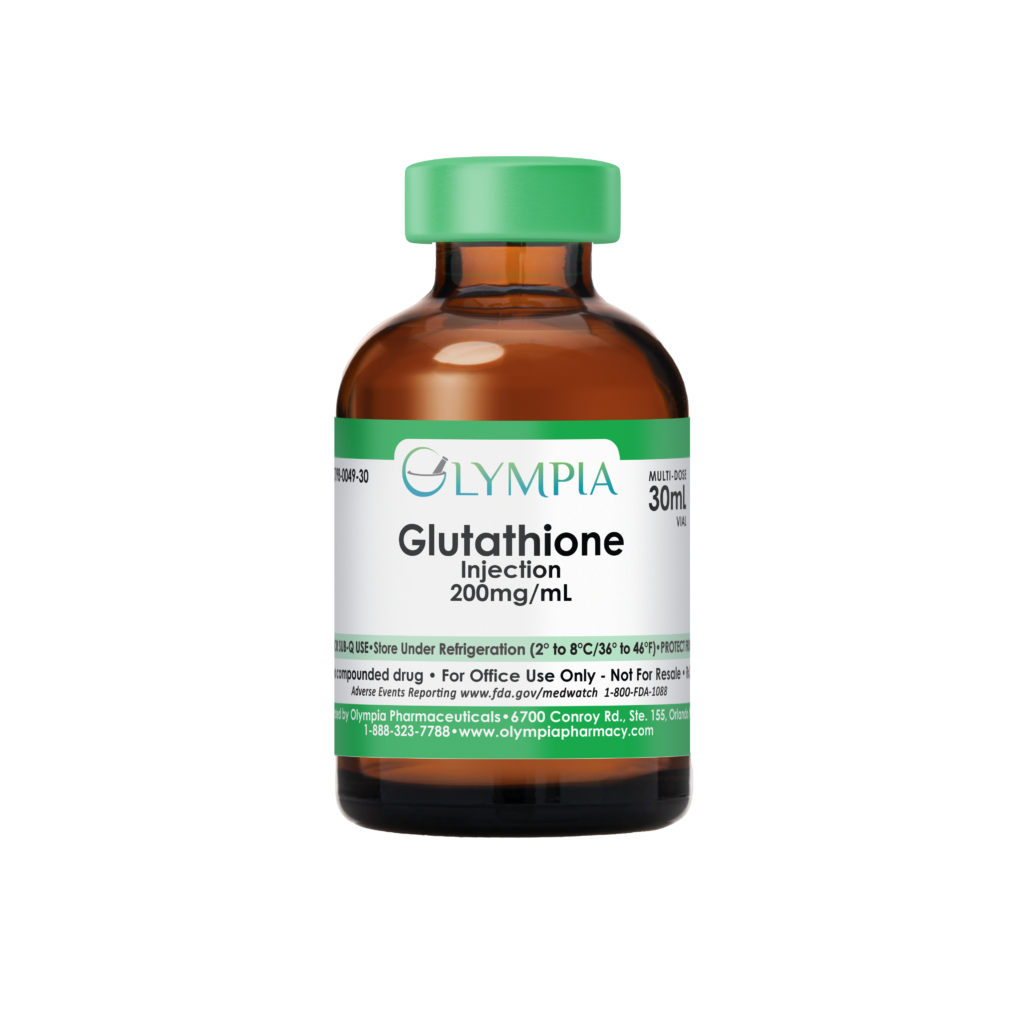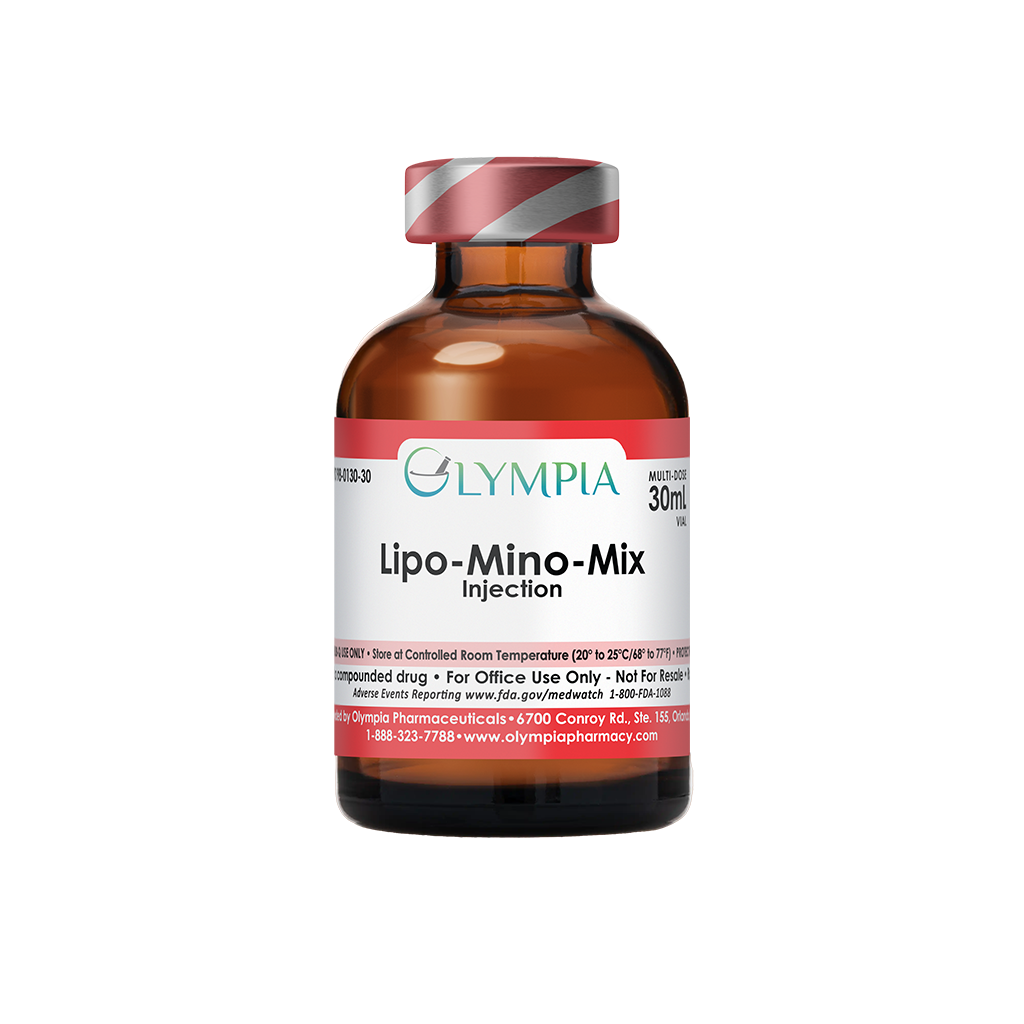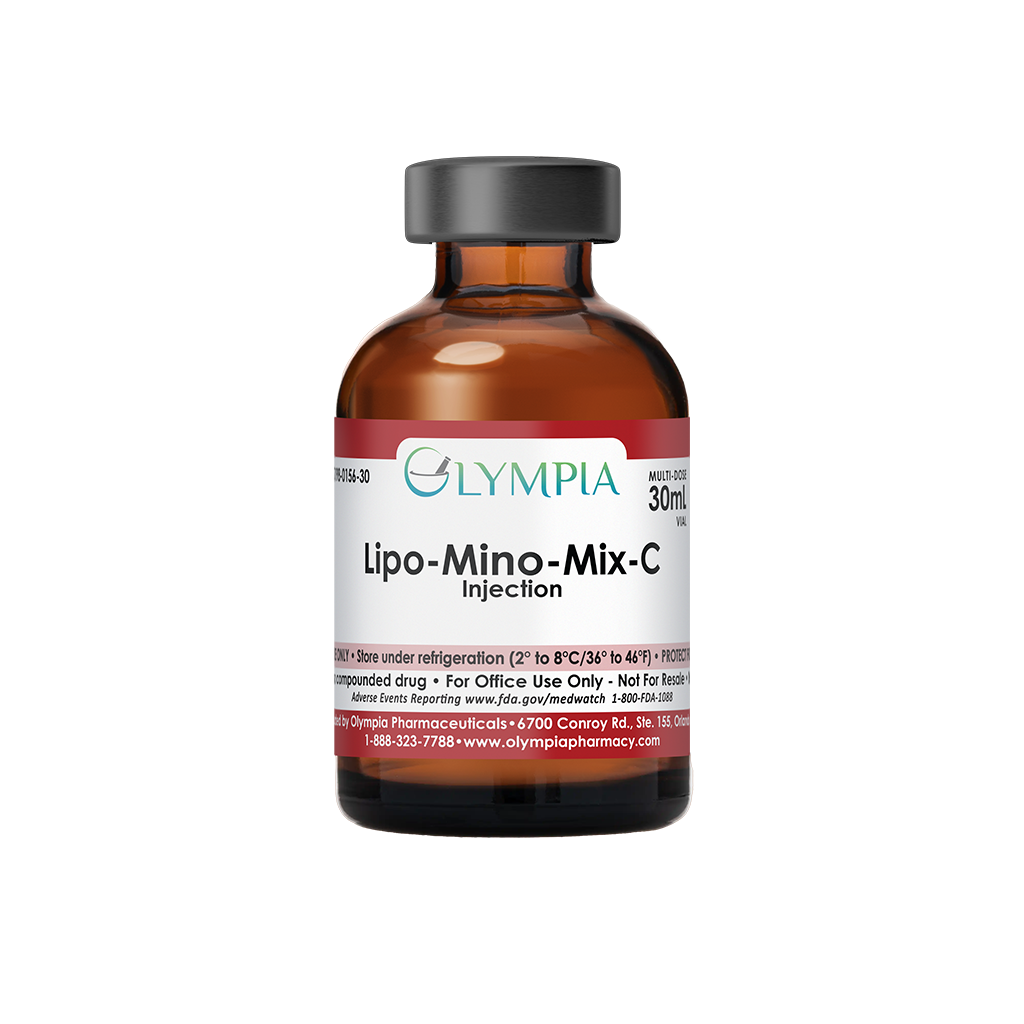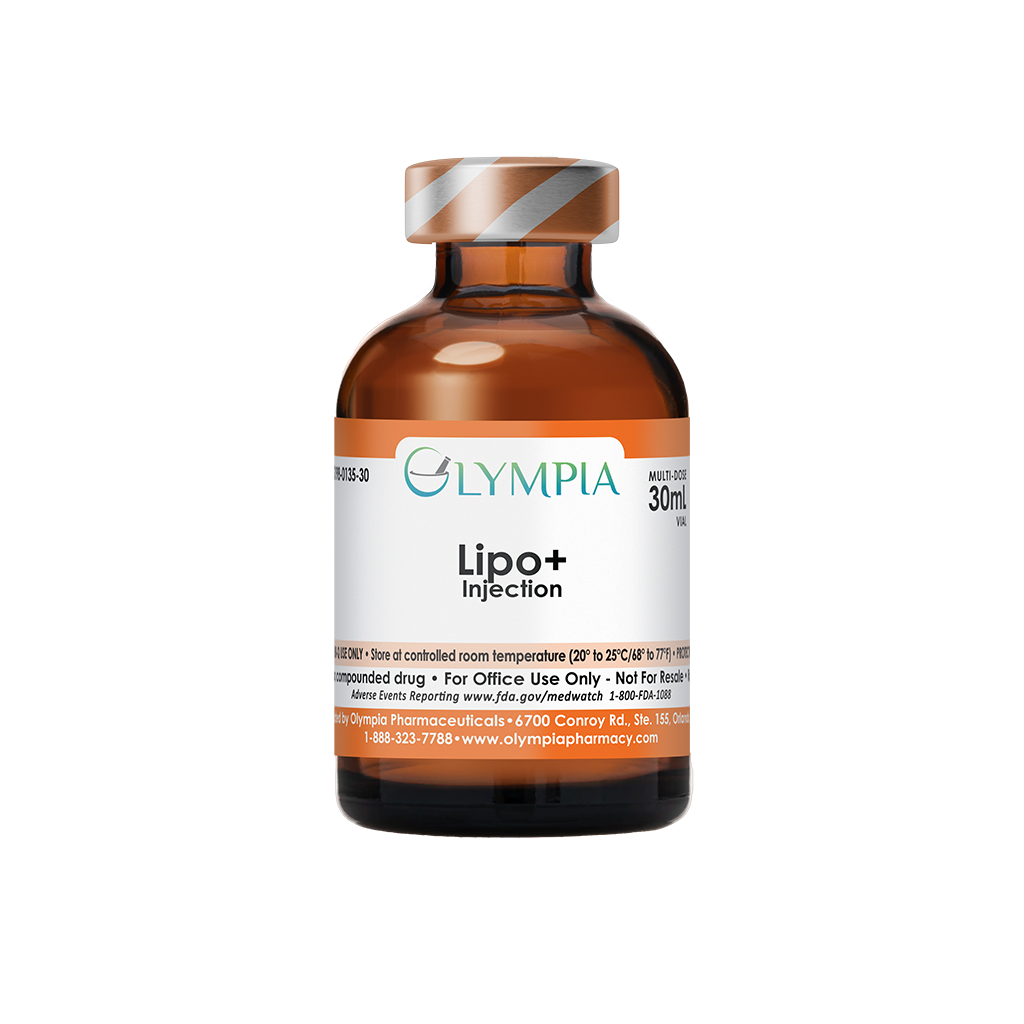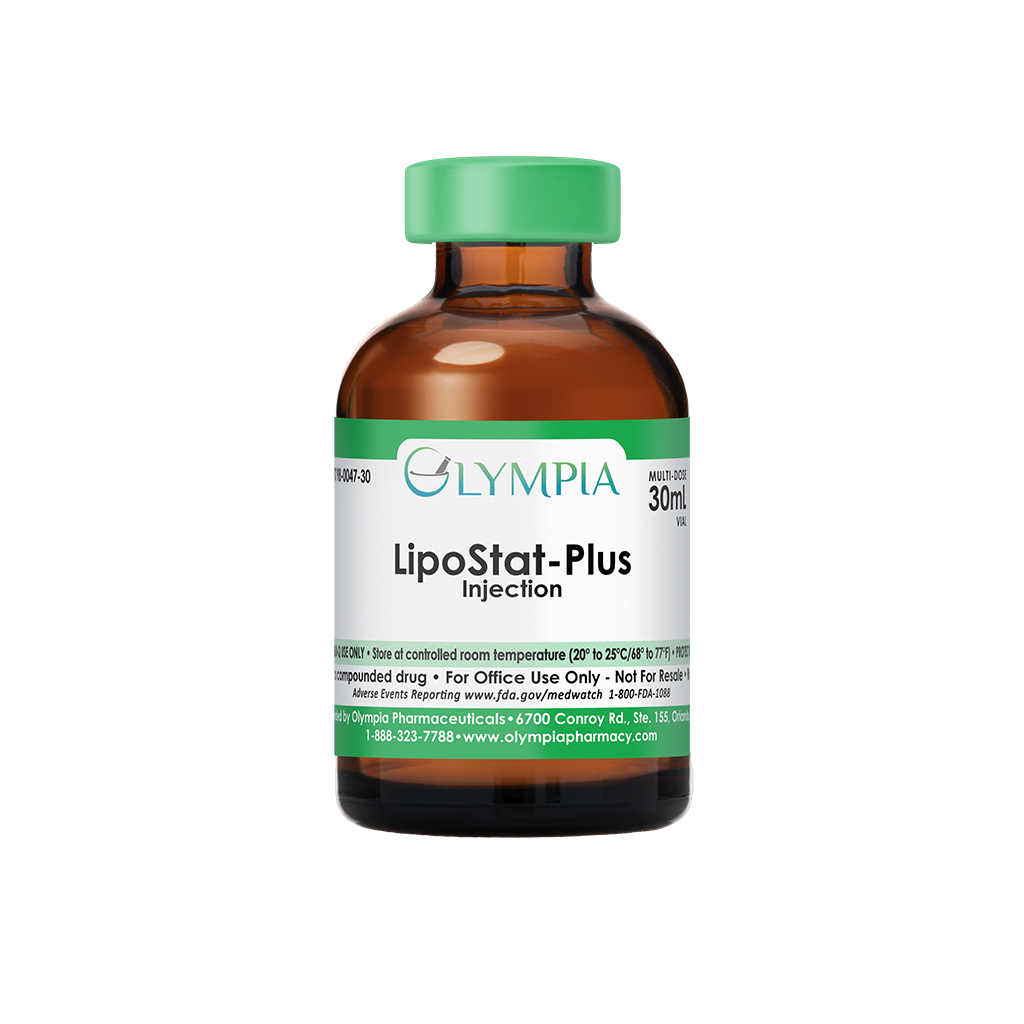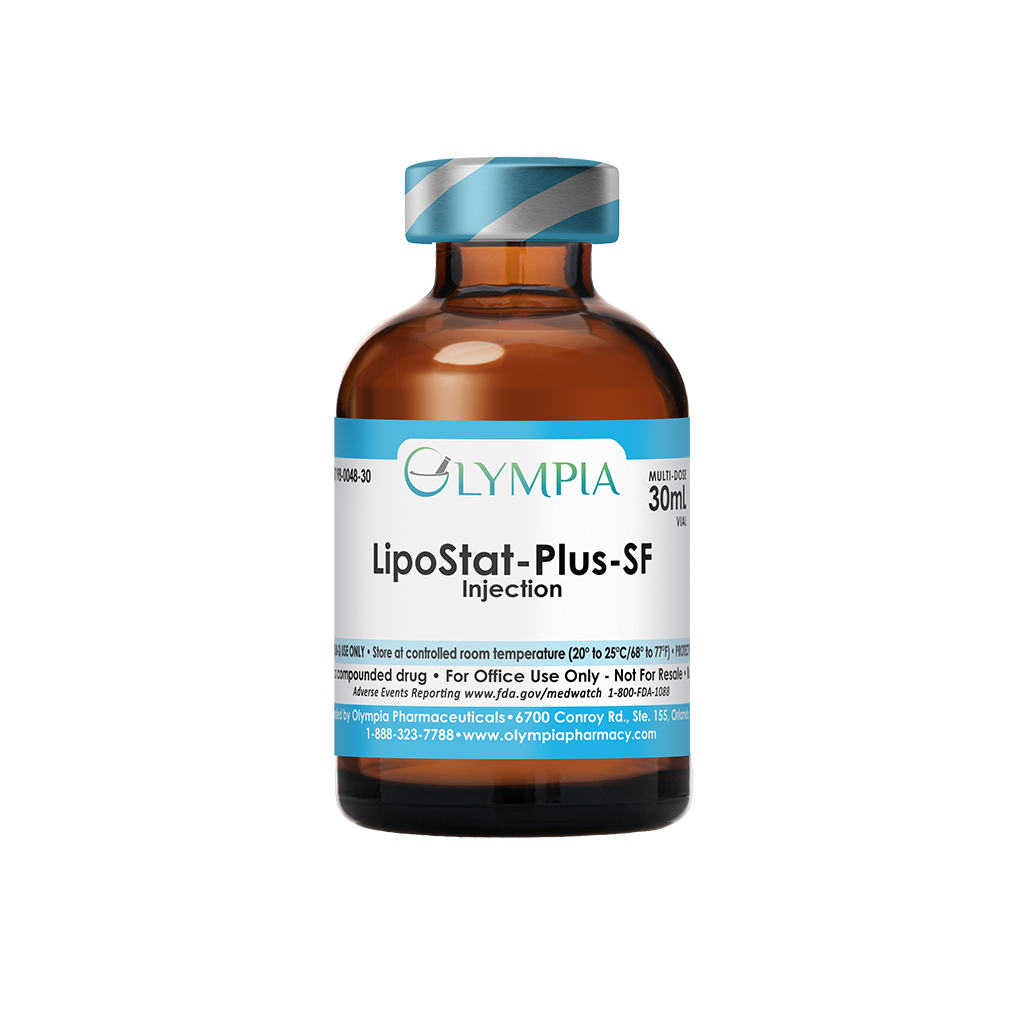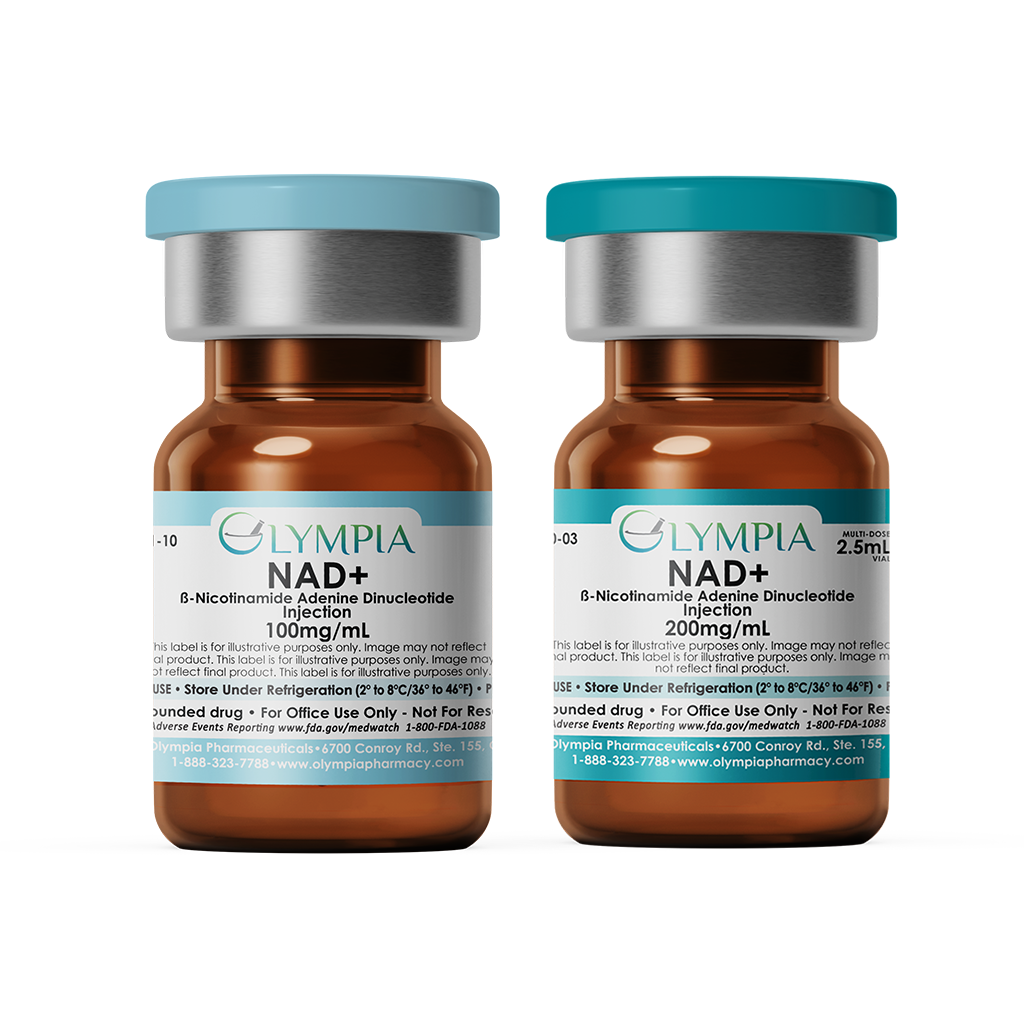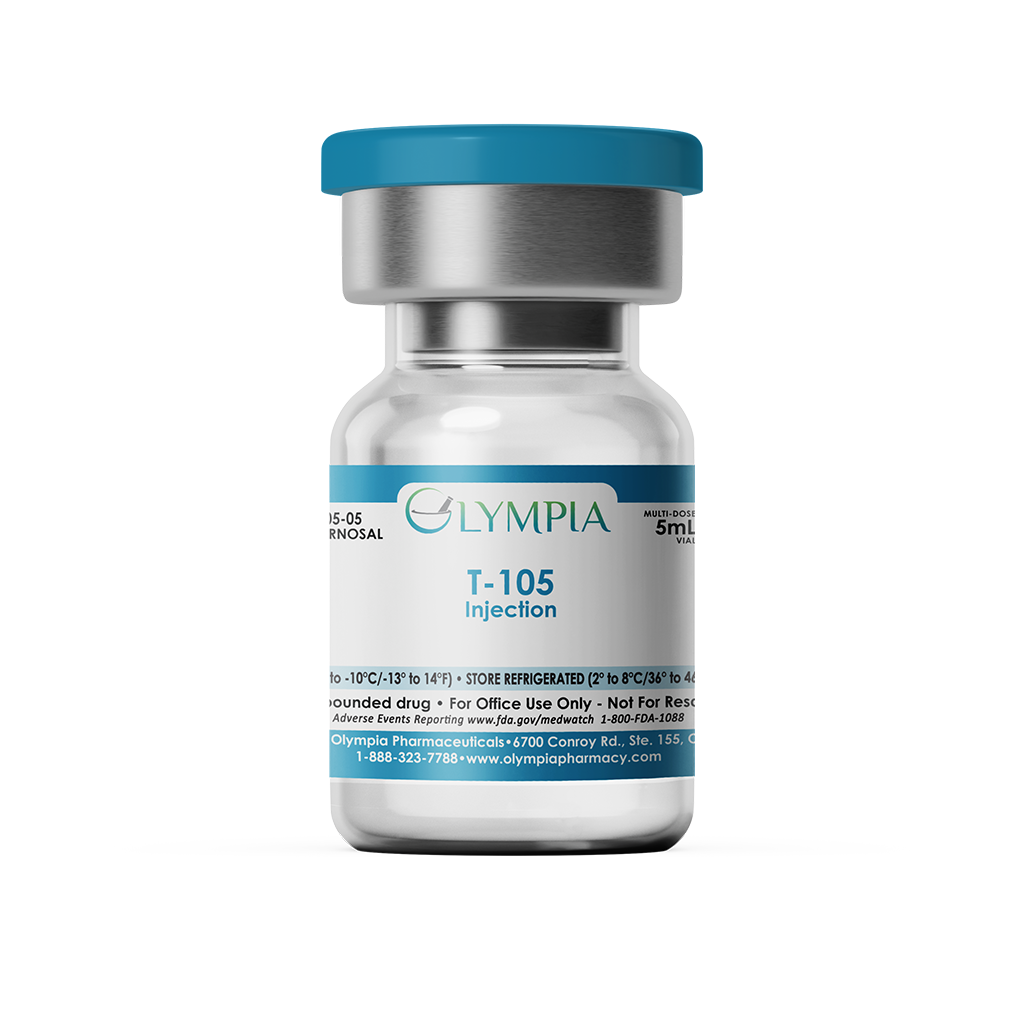

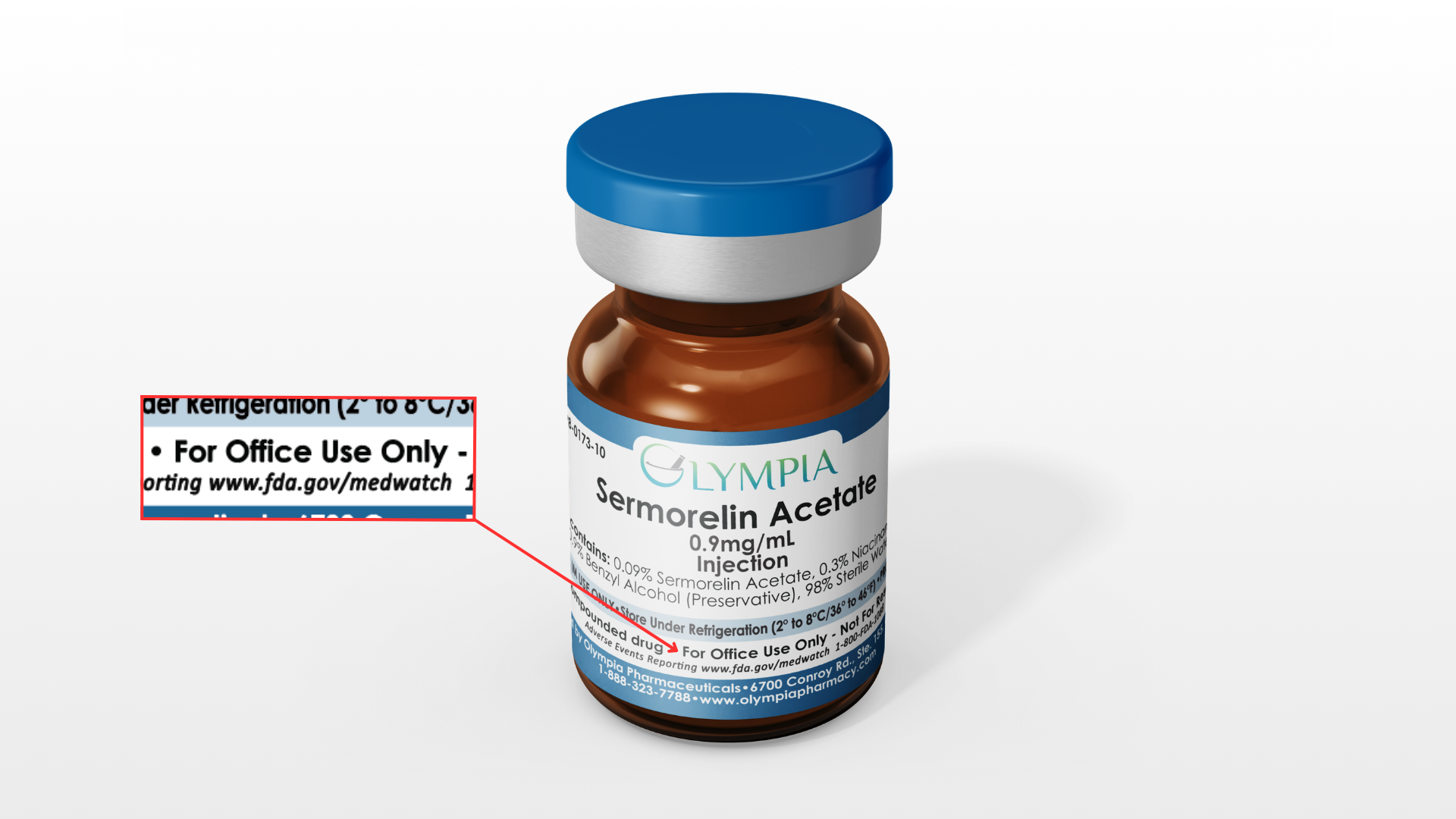
When patients see “For Office Use Only” on a medication vial, the wording can raise questions. You may wonder whether the vial can be prescribed to you, whether it must remain inside a medical office, or whether you received the wrong medication.
The most important thing to understand is that the phrase does not automatically mean the medication cannot be provided to an individual patient.
The vial was prepared by a 503B outsourcing facility, which operates under one of the most rigorous federal regulatory frameworks for compounded medications. These facilities must follow Current Good Manufacturing Practice requirements, commonly called cGMP, and meet federal requirements related to production, quality control, documentation, inspection, and reporting.
A 503B compounded medication may still be dispensed pursuant to a lawful prescription for an individual patient. Your licensed healthcare provider determines whether the medication is appropriate for you and provides your patient-specific directions.
Why Does the Vial Say “For Office Use Only”?
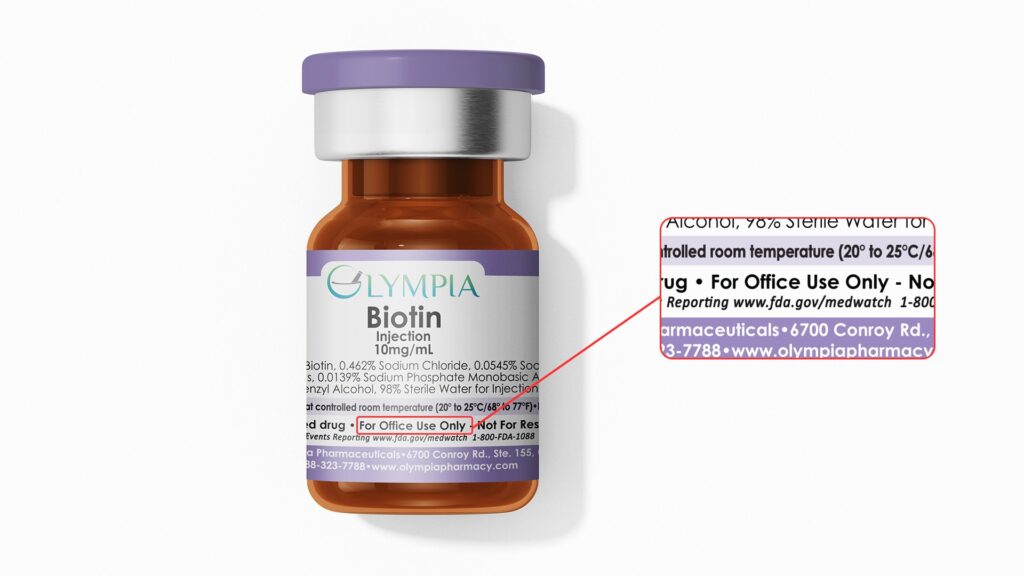
“For Office Use Only” is federally required wording that may appear on certain compounded medication labels produced by a 503B outsourcing facility.
It is part of the original pharmacy label and identifies the pathway under which the vial was initially distributed. It does not, by itself, tell you where every dose must be administered or mean that an individual patient cannot receive the medication under a lawful prescription.
Federal law requires qualifying 503B labels to include several pieces of information, such as:
- The statement that the product is a compounded drug
- The name and contact information of the outsourcing facility
- The medication name, dosage form, and strength
- The lot or batch number
- The date the medication was compounded
- The expiration date
- Storage and handling instructions
- Active and inactive ingredient information
- “Not for resale”
- “Office Use Only,” when applicable
These details provide important information about the preparation and help connect each vial to its production and quality records.
Dissecting other parts of the label
What Does 503B Mean?
Section 503B of the Federal Food, Drug, and Cosmetic Act created a federal category known as an outsourcing facility.
A 503B outsourcing facility compounds medications under federal requirements that differ from those applying to traditional patient-specific pharmacy compounding. Unlike compounders operating under section 503A (Patient prescription-only pharmacy), 503B outsourcing facilities are subject to federal cGMP requirements.
In plain language, cGMP refers to detailed requirements governing how medications are prepared, controlled, documented, evaluated, and released.
FDA explains that registered outsourcing facilities must:
- Follow cGMP requirements
- Register with FDA
- Undergo FDA inspections according to a risk-based schedule
- Report certain adverse events
- Provide FDA with information about the medications they compound on a regular basis
- Meet applicable labeling and reporting requirements
This is why the 503B framework is often viewed as one of the most rigorous forms of oversight within pharmaceutical compounding.
What Does the Compounding Date Mean?
The compounding date (CPD) is the date the medication was prepared.
It is not necessarily the date:
- Your provider prescribed it
- The medication was shipped
- You received the vial
- The vial was first opened or punctured
The compounding date helps connect the vial to its production records. Federal 503B labeling requirements call for this date to appear on the product label.
What Does the BUD Mean?
BUD stands for Beyond-Use Date.
It is the date or time after which a compounded preparation should no longer be used.
The BUD is different from the compounding date:
- The compounding date tells you when the medication was prepared.
- The BUD tells you when the medication must no longer be used.
A vial may be compounded on one date and have a BUD several weeks or months later, depending on the preparation and its established dating.
Always follow the BUD and the storage instructions printed on the label.
Why Storage Instructions Matter
A medication’s labeled dating depends on proper storage.
Depending on the preparation, the label may instruct you to:
- Refrigerate the vial
- Keep it frozen
- Store it at controlled room temperature
- Protect it from light
- Avoid freezing it
Following these instructions helps maintain the conditions associated with the labeled BUD or expiration date.
Do not assume that opening the vial creates a new BUD or extends the original date. Some preparations may also have separate instructions regarding how long they may be used after the first puncture.
Contact your healthcare provider or our pharmacists if the vial was stored incorrectly, exposed to unusual temperatures, or left outside its recommended storage conditions.
What Does “Rx Only” Mean?
“Rx Only” means the medication requires a prescription.
It is not an over-the-counter medication.
“For Office Use Only” and “Rx Only” may appear on the same vial because the statements communicate different information:
- “For Office Use Only” relates to the original 503B labeling and distribution pathway.
- “Rx Only” confirms that the medication requires the lawful prescription order from a licensed healthcare professional.
A vial bearing “For Office Use Only” remains a prescription medication. Your provider is responsible for prescribing it and giving you patient-specific directions.
How to Review Your Vial
Before using your medication, take a moment to check the following information:
- Confirm the medication name.
- Confirm the strength or concentration.
- Review your patient-specific directions.
- Find the BUD or expiration date.
- Check the storage instructions.
- Locate the lot or batch number.
- Contact your provider or our pharmacists if the information differs from what you were told.
Do not use the medication when the label is unreadable, the product is beyond its labeled dating, or the medication name or strength does not match your directions.
This information is for educational purposes only and is not intended to substitute for information from a medical provider. Compounded products are not evaluated by the FDA for safety, efficacy, or quality. Consult a medical provider before beginning any new form of care. Rx only.