

Medically reviewed and approved content by Nicole Snow, PharmD
As NAD+ becomes more widely recognized for its role in energy production and healthy aging, more people are exploring supplements to support their cellular health. However, the way you take NAD+ can influence how well it works. NAD+ is available in oral and injectable forms. So when it comes to NAD+ oral vs injection, how do you know which is the better choice for you?
In this blog, we’ll explore how NAD+ works in the body, break down the key differences between oral and injectable NAD+ and highlight why many providers prefer injections.
What Is NAD+?
NAD+ (nicotinamide adenine dinucleotide) is a coenzyme found in every cell of the body. It plays a central role in cellular energy production, helping convert nutrients into the fuel your cells run on.
Beyond energy production, NAD+ is also crucial for supporting DNA repair[1][2], regulating inflammation[2] and maintaining mitochondrial function[2]. Mitochondria — your cells’ energy centers — rely on adequate NAD+ levels to function optimally. When mitochondrial activity declines, it can lead to increased cellular damage and contribute to visible signs of aging[3].
Research also suggests that NAD+ is critical for DNA repair and cellular resilience after UV damage[1], which are key factors in preventing visible aging.
How NAD+ Works in the Body
NAD+ helps your body generate energy by fueling mitochondria — the “powerhouses” of cells. It acts as a key electron carrier in metabolic reactions, allowing cells to turn food into ATP, the body’s main energy source. NAD+ also activates enzymes like sirtuins, which play roles in cellular stress response, inflammation control and metabolic regulation. Additionally, NAD+ helps maintain the stability of your DNA, which is critical for reducing the risk of mutations that can lead to premature aging and disease.
Why Supplement It?
As we age, NAD+ production slows and the molecule breaks down more quickly, leading to lower overall levels in the body. This drop is linked to greater susceptibility to age-related conditions like cognitive decline[4] and metabolic dysfunction[5]. Lower NAD+ levels are also associated with repair enzymes like PARP1 and sirtuins becoming less effective, allowing DNA damage and cellular stress to accumulate[1]. This contributes to reduced collagen production, chronic inflammation and the buildup of senescent cells (sometimes called “zombie cells”) that weaken the skin’s structure over time[1].
To address this, longevity and regenerative medicine researchers have increasingly focused on supplementing NAD+ and its precursors, including nicotinamide (NAM), nicotinamide riboside (NR) and nicotinamide mononucleotide (NMN).
By maintaining NAD+ levels, the body may better manage energy production, cellular stress response and age-related cellular decline.
Comparing Oral vs. Injectable NAD+
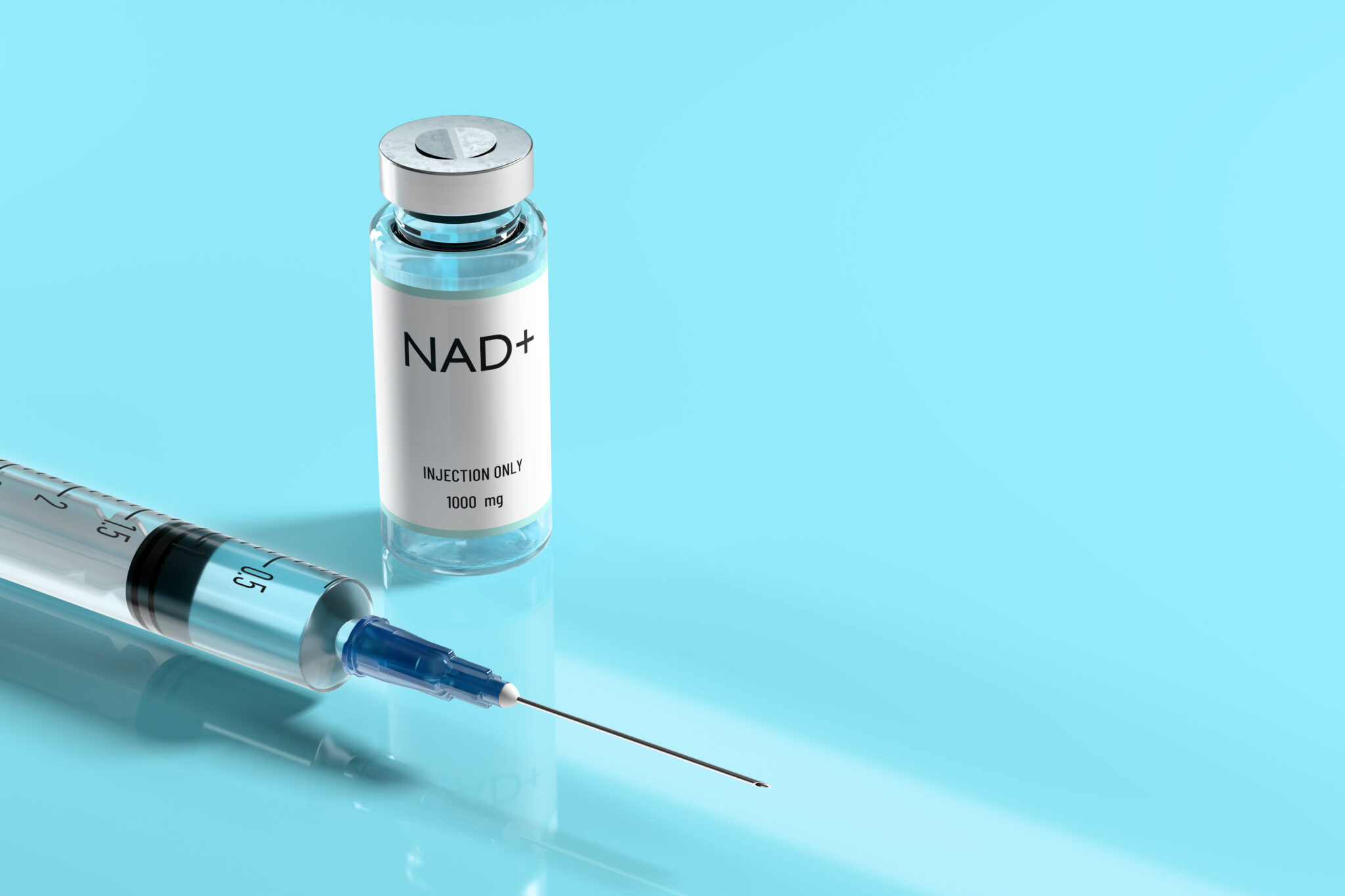
As interest in NAD+ therapy continues to grow, both oral and injectable forms are now commonly used for supplementation. While oral NAD+ supplements are widely available, many patients and providers prefer injectable formulations because they bypass digestion and allow precise, provider-controlled dosing.
Absorption and Delivery Differences
Oral NAD+ supplements must pass through the gastrointestinal (GI) tract, where enzymatic breakdown and variable absorption can limit how much NAD+ actually reaches circulation[6]. Digestive efficiency, gut health and individual metabolism all influence oral bioavailability. Moreover, multiple studies have shown that oral NAD+ is poorly absorbed and does not significantly raise NAD+ levels in the plasma or tissues[7].
Many supplements labeled “NAD+” actually contain precursors like nicotinamide riboside (NR) or nicotinamide mononucleotide (NMN), which the body converts into NAD+. Studies show these can raise blood NAD+ levels[8][9], but the effect builds gradually over weeks and relies on gut bacteria to convert them, so results vary from person to person[10].
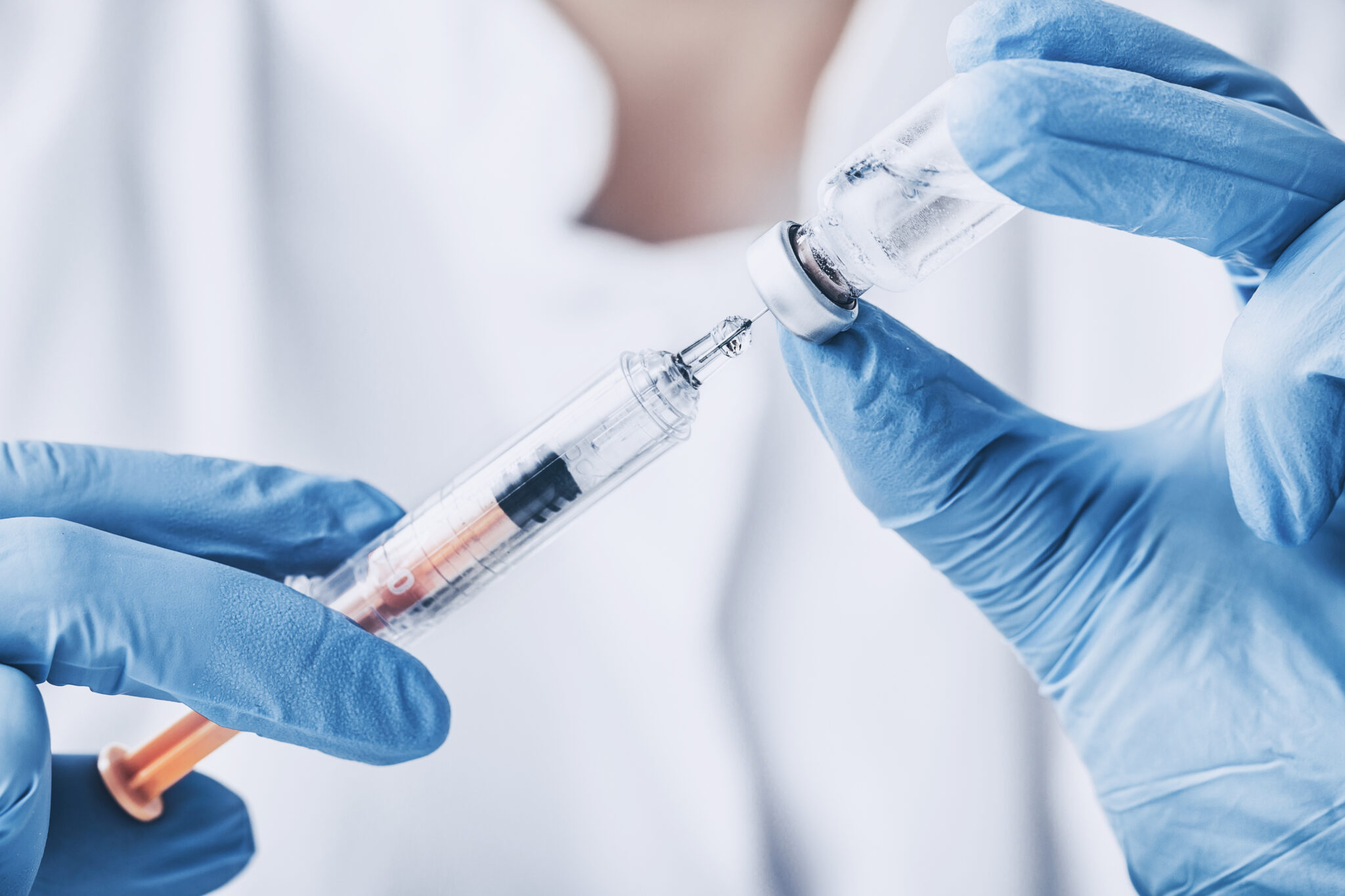
In contrast, injectable NAD+ bypasses the digestive system entirely, entering the bloodstream directly[6]. This means NAD+ reaches circulation without being degraded or lost in the gut.
IM vs. SubQ: Does the Injection Route Matter?
Both intramuscular (IM) and subcutaneous (SubQ) injections bypass the digestive system, but they differ in how quickly NAD+ reaches circulation. IM injections go into muscle, which has a rich blood supply, so absorption is generally faster[11]. SubQ injections go into the fatty layer under the skin, where lower blood flow means slower, more gradual absorption[11]. SubQ injections also use a smaller needle and are often easier for patients to self-administer under a provider’s guidance.
These differences are well established for many injectable medications, but NAD+-specific data is still emerging. Most human research on direct NAD+ has focused on IV infusion[12], and studies comparing IM, SubQ and IV NAD+ are underway[13]. Either way, both routes avoid the gut breakdown that limits oral NAD+, and providers can choose the one that best fits each patient’s goals and comfort.
Dosing Consistency
Injections offer a more controlled and consistent method of delivering NAD+. Oral NAD+ absorption can fluctuate significantly depending on the timing of administration, the presence of food in the digestive system, as well as an individual’s overall gut health. Injectable NAD+ allows practitioners to prescribe an exact dose, track each patient’s response and adjust as needed.
NAD+ Supplement vs. Injection: Side-by-Side Comparison
Form | How it reaches the bloodstream | Depends on gut health? | Dose control | Provider-supervised? |
NAD+ injection (IV, IM, SubQ) | Directly (IV) or absorbed from muscle or tissue (IM, SubQ), without passing through digestion | No | Precise dose prescribed in mg | Yes |
Oral NR or NMN | Gradually, after gut bacteria convert it; builds over days to weeks [10] | Yes | Varies by person | No |
Oral NAD+ | Mostly broken down in the gut first | Yes | Low | No |
Sublingual, liposomal, or nasal NAD+ | Varies; little published data | Partly | Low to moderate | Varies |
Considering injectable NAD+ for your patients? Get started now →
Who May Benefit Most From NAD+ Injections
Injectable NAD+ may be a better fit for patients who:
Have digestive conditions that affect absorption, such as inflammatory bowel conditions, a history of bariatric surgery or age-related malabsorption
Need a precise, trackable dose as part of a provider-supervised wellness protocol
Haven’t seen the results they wanted from oral supplements
Under provider supervision, NAD+ injections are often included in programs focused on energy, recovery and healthy aging.
Why Choose Olympia Pharmacy’s NAD+ Injections?
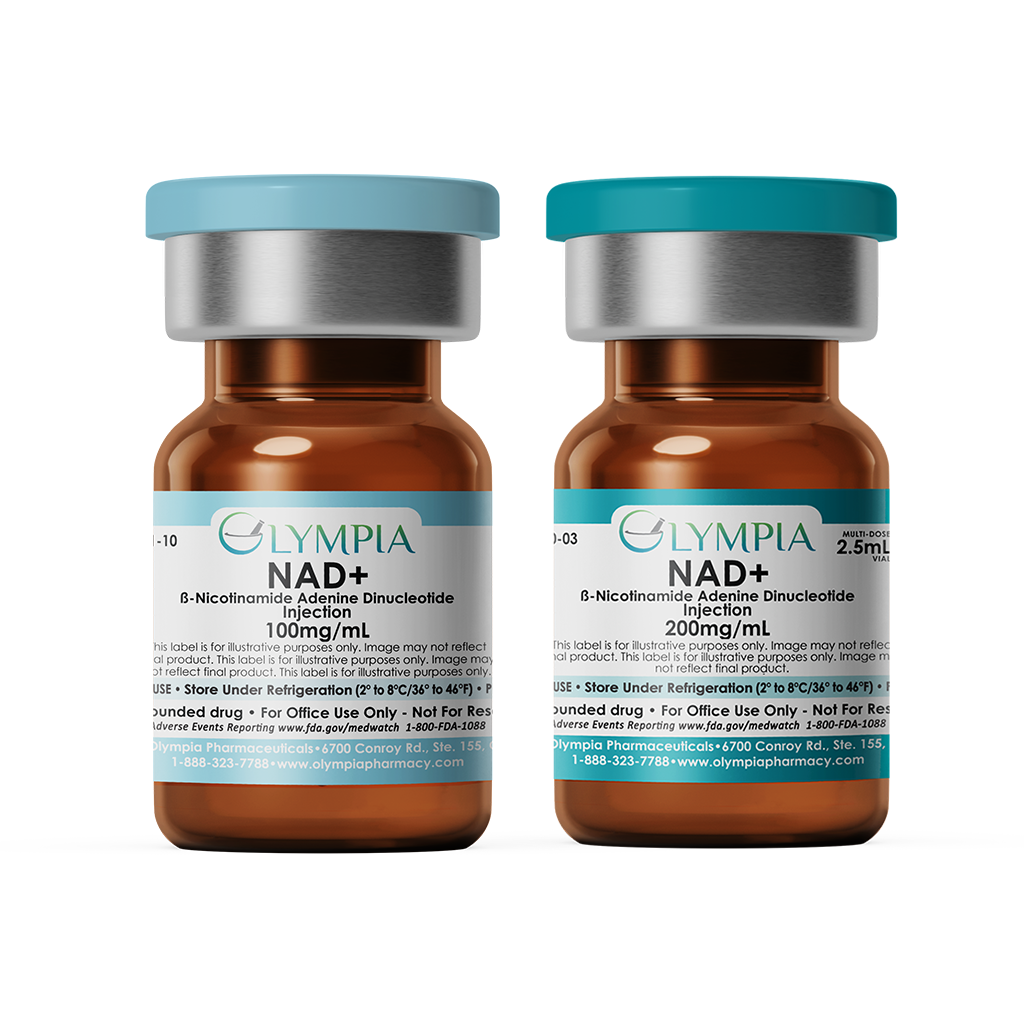
At Olympia, we understand that consistent delivery matters, especially when supporting energy metabolism and high-demand cellular processes. That’s why we offer high-quality compounded NAD+ injections to licensed healthcare providers, prepared in our cGMP-compliant facility and backed by rigorous quality and sterility standards.
Olympia’s NAD+ injections are intended for use in professionally guided wellness protocols, where injectable delivery may be preferred for more dependable uptake. Whether addressing cellular stress, low energy or supporting overall vitality, Olympia’s compounded NAD+ products are formulated with precision and reliability in mind.